
Pruning
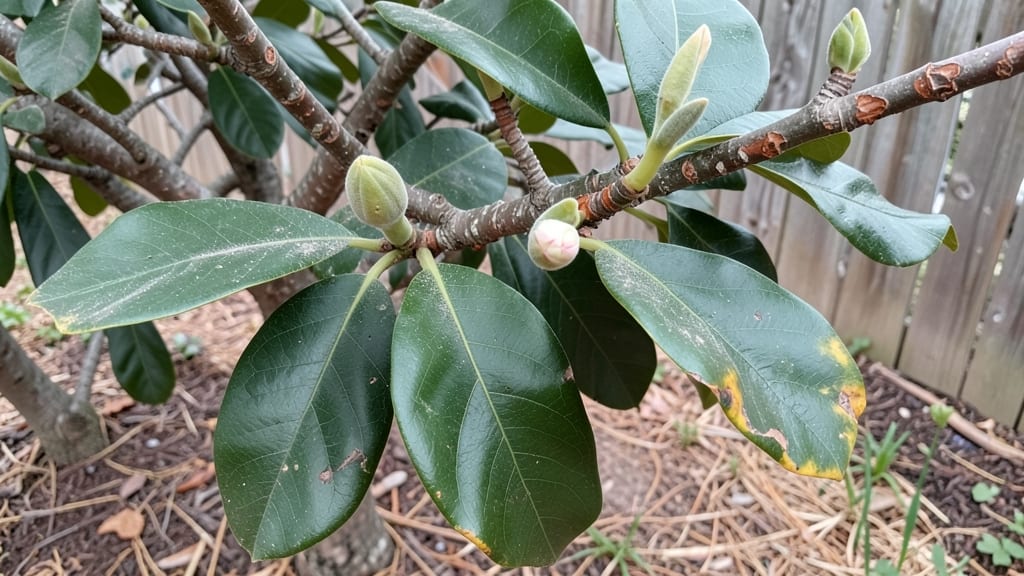
Pruning a magnolia tree branch isn’t just about shaping—it’s about keeping your tree thriving for decades. 🌿 I’ve seen too many beautiful magnolias turned into sad, leggy shadows because pruning was either ignored or done wrong.
The right cuts at the right time make all the difference, especially when you’re dealing with those thick, stubborn branches.
Most people wait until spring, but the best time to prune magnolias is actually late winter or early spring before new growth starts. You’ll need sharp bypass pruners (regular pruners crush the branches), a ladder, and a little patience—these aren’t branches you cut on a whim.
The key is removing dead, crossing, or weak branches first, then thinning out the canopy to let light and air circulate.
When done right, your magnolia will reward you with healthier blooms, stronger structure, and fewer pests sneaking in. You’ll notice new growth within weeks, and the tree’s natural shape will shine through without looking hacked. Just avoid heavy pruning in fall—it stresses the tree before winter.
This method works for all magnolia types, from the towering Southern magnolias to the smaller saucer varieties. The goal isn’t perfection—it’s long-term health. Let’s get those branches looking intentional, not accidental.
📚 In This Guide
- What you need
- Instructions
- Tips and common mistakes
- Wrapping up and next steps
What you need
- ● Pruning shears: Bypass pruners (for cuts up to ½ inch thick)
- ● Loppers: 1 pair (for branches ½ to 1½ inches thick)
- ● Pruning saw: 1 (for branches 1½+ inches thick)
- ● Gloves: Heavy-duty leather or cut-resistant (to protect from thorns)
- ● Disinfectant: 70% isopropyl alcohol or bleach solution (1 part bleach to 9 parts water)
- ○ Sharpie or permanent marker: For labeling cuts (optional but helpful for tracking)
- ● Heavy-duty trash bags: 2-3 (for debris disposal)
- ● Ladder or step stool: Sturdy, extendable (if branches are high)
- ● Tree wound dressing: Pruning sealant (controversial but useful for large cuts)
- ● Extension pole: For hard-to-reach branches (10-15 ft)
- ● Safety glasses: To shield eyes from debris
- ● Notebook & pen: For sketching your pruning plan
- ● Rake or leaf blower: For cleanup after pruning
- ● Check local regulations—some areas restrict pruning during flowering seasons (spring for most magnolias).
- ● Pick a dry, overcast day to minimize stress on the tree.
- ● Wear long sleeves and pants—magnolia thorns are no joke!
Instructions for pruning magnolia tree branches
Here’s how to refresh your magnolia’s shape and health with four simple, effective cuts.
✂️ Step 1: Remove Dead or Diseased Branches First
Start by scanning your magnolia for branches that are completely brown, brittle, or oozing sap—these are your top priority. Dead wood doesn’t just look unsightly; it invites pests and disease into the tree. I like to use sharp, clean pruners to make a clean cut just outside the branch collar, the swollen area where the branch meets the trunk. This ensures the tree can heal properly.
If a branch is larger than 2 inches thick, you’ll need loppers or a pruning saw. Cut at a slight angle to prevent water from pooling on the wound. Avoid leaving stubs—these create weak points where infections can take hold. You’ll know you’ve done it right when the cut looks smooth and the branch falls away cleanly.
✂️ Step 2: Thin Out Crowded or Crossing Branches
Next, focus on branches that are rubbing against each other or growing too close together. These create weak spots where bark can tear, and they compete for sunlight and nutrients. Look for branches that cross over each other or grow directly inward toward the trunk. These are the ones to remove entirely at their base.
When thinning, aim to open up the canopy so light and air can circulate freely. I usually step back and squint to visualize the tree’s natural shape—this helps me decide which branches to keep for balance. Never remove more than 25% of the tree’s foliage in one session, or you’ll shock the magnolia and stress its system.
✂️ Step 3: Prune for Shape and Airflow
Now it’s time to shape the tree. Magnolias respond well to light pruning for form, but avoid heavy cuts that can reduce flowering. Focus on branches that are growing in awkward directions or spoiling the tree’s natural silhouette. Cut back to a lateral branch or bud that’s facing outward, which encourages fuller growth.
For larger branches, make your cut just above a bud or side branch that’s growing at a 45-degree angle. This helps the tree heal faster and directs new growth in a direction that maintains balance. If you’re unsure where to cut, imagine the branch as part of a larger picture—your goal is to enhance the tree’s natural beauty, not alter it drastically.
✂️ Step 4: Clean Up Small, Weak Growth
Finally, trim back any small, weak branches or "water sprouts" that are growing straight up from the trunk or larger limbs. These thin, fast-growing shoots drain energy from the tree and rarely contribute to its structure. Use pruners to snip them off at their base, making sure to cut just outside the branch collar.
This is also a great time to tidy up any suckers—those unwanted shoots that pop up at the base of the tree. Pull them out by hand if they’re small, or cut them off at ground level with pruners. A well-maintained magnolia should have a strong, open structure with room for airflow, which keeps pests and diseases at bay.
After pruning, step back and admire your work. Your magnolia should look healthier, with a balanced shape and plenty of room for new growth. The key is to prune strategically—never more than necessary—and always with clean, precise cuts.
Tips & tricks for pruning magnolia tree branches
These simple strategies will help you prune your magnolia like a pro—keeping your tree healthy and beautiful for years to come.
Equipment Essentials: Always use sharp, clean tools—dull pruners tear bark and create wounds that invite disease. I recommend sterilizing your tools with rubbing alcohol between cuts, especially when dealing with diseased branches. For branches larger than 2 inches, invest in a good pair of loppers or a pruning saw to avoid damaging the tree.
Timing is Everything: Late winter or early spring, just before new growth begins, is the ideal time to prune magnolias. This timing allows the tree to heal quickly and prepares it for the growing season. Avoid pruning in fall, as new growth can be damaged by winter cold. If you must prune in summer, do it early in the season to minimize stress on the tree.
Visualize the Tree's Natural Shape: Before making any cuts, step back and look at your magnolia from different angles. Imagine how the tree should look in its natural form—this helps you decide which branches to keep for balance. Focus on creating an open canopy that allows sunlight and air to circulate freely. Remember, magnolias have a natural, graceful shape, so aim to enhance that rather than drastically alter it.
Healing Aid: After making larger cuts, consider applying a tree wound dressing to the pruning cuts. While some gardeners debate whether this is necessary, I've found it helps protect the wound from pests and disease, especially in the first few weeks after pruning. Just be sure to use a product specifically designed for trees, not paint or other household sealants.
Pro Tips for Magnolia Tree Branch
- These simple strategies will help you prune your magnolia like a pro—keeping your tree healthy and beautiful for years to come.
- Equipment Essentials: Always use sharp, clean tools—dull pruners tear bark and create wounds that invite disease.
- Timing is Everything: Late winter or early spring, just before new growth begins, is the ideal time to prune magnolias.
Frequently asked questions
Got questions about pruning your magnolia tree branch? You’re not alone—these majestic trees can be tricky! Here are answers to the most common concerns to keep your magnolia thriving.
When is the best time to prune a magnolia tree branch?
The ideal time depends on your magnolia’s type. For Southern magnolias, prune in late winter or early spring (before buds swell) to avoid sap bleeding. Star magnolias should be pruned immediately after flowering (late winter/early spring) to preserve next year’s blooms. Avoid summer pruning—it can stress the tree.
Can I prune a magnolia tree branch in summer?
While possible, summer pruning is not recommended for magnolias. Hot weather slows healing, increasing the risk of bacterial infections or fungal diseases. If you must prune, do so early morning on a cool, cloudy day and sterilize tools with 70% isopropyl alcohol or a bleach solution (1 part bleach to 9 parts water).
Will pruning my magnolia tree branch kill the tree?
Pruning won’t kill a healthy magnolia if done correctly. Focus on removing dead, diseased, or crossing branches (never more than 25% of the canopy at once). Magnolias are resilient but hate aggressive pruning. Use sharp, clean tools and make cuts at the branch collar to promote fast healing.
What if my magnolia tree branch isn’t growing back after pruning?
If a cut branch fails to sprout, it may be dead wood or pruned too late. Check for green tissue inside the branch—if none exists, the branch is likely beyond saving. For live but slow-growing branches, apply a balanced fertilizer (like 10-10-10) in early spring and water deeply. Patience is key—magnolias grow slowly!
Are there alternatives to pruning if my magnolia looks overgrown?
If pruning feels too risky, consider selective thinning instead of heavy cuts. Remove only the innermost branches to improve airflow and light penetration. For extreme overgrowth, consult a certified arborist—they can use techniques like crown lifting or pollarding (for older trees) to shape without harm. Never top a magnolia! It weakens the tree and reduces flowers.
Wrapping up and next steps
Pruning your magnolia tree branch isn’t just about aesthetics—it’s a year-round commitment to health, beauty, and longevity. By mastering the four strategic cuts (deadwood removal, thinning, shaping, and rejuvenation), you’ll encourage vibrant blooms and robust growth while preventing disease. 🌿✨
Now that you’re equipped with the knowledge, roll up your sleeves and get pruning! Start small—even a single branch can make a difference. For extra confidence, bookmark this guide or share it with fellow gardening enthusiasts. Happy pruning!