
Pruning
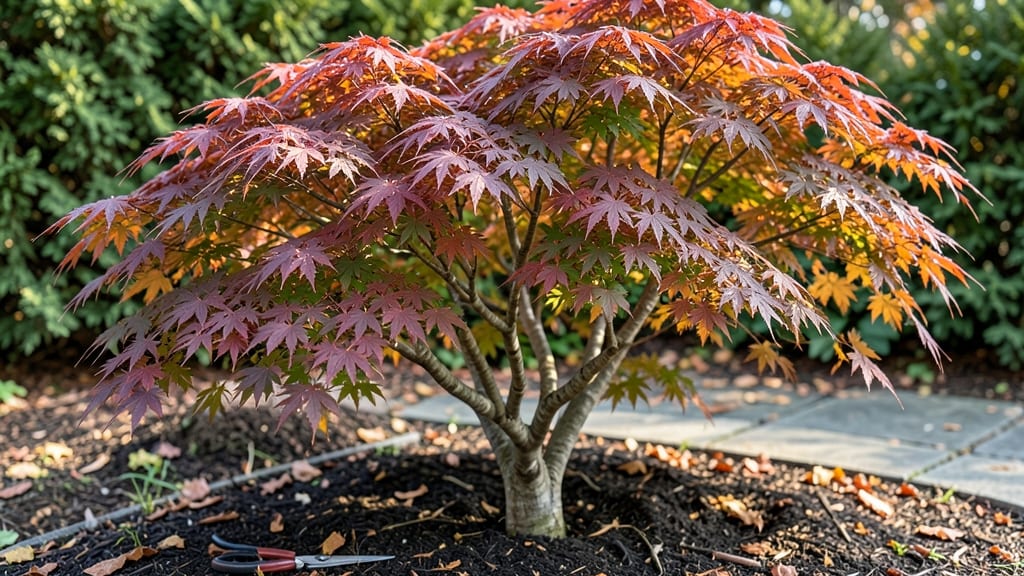
The Japanese maple tree colors in autumn are what every gardener dreams of—deep crimson, fiery orange, and golden yellow that make your yard feel like a living painting. 🌿 I’ve spent years watching my ‘Bloodgood’ and ‘Emperor I’ transform from summer green to fall brilliance, and I’ll show you how to keep those hues vibrant year after year.
Pruning plays a bigger role than most realize—cutting at the right time and in the right way ensures those rich colors stay bold, not washed out. You’ll focus on shaping the canopy to maximize sunlight exposure (which is key for red varieties) while keeping the tree’s natural elegance.
The best part? These trees work in containers too, so even small spaces can have that showstopping fall display.
By the time October rolls around, you’ll have a tree that looks like it’s straight out of a postcard, with foliage so intense it stops neighbors in their tracks.
The secret isn’t just pruning—it’s pairing the right varieties together: ‘Red Dragon’ next to ‘Shishigashira’ creates a stunning red-and-white contrast, while ‘Orangeola’ adds a warm glow to the mix.
Whether you’re designing a moon garden, a shaded courtyard, or a bold statement along a walkway, Japanese maples deliver year-round interest—spring’s delicate leaves, summer’s lush green, and autumn’s fiery finale. Let’s get those branches shaped for maximum impact!
📚 In This Guide
- What you need
- Instructions
- Tips and common mistakes
- Wrapping up and next steps
What you need
- ● Pruning shears: Bypass pruners (sharp, clean, and sterilized) for small branches (4–12 mm thick). Example: Felco F-2 or Corona Tools.
- ● Loppers: For medium branches (12–50 mm thick). Look for ratcheting loppers (e.g., Fiskars X28) for extra leverage.
- ● Pruning saw: For thick branches (>50 mm). A bow saw (e.g., Bahco Laplander) works best.
- ● Gloves: Heavy-duty, cut-resistant gloves (e.g., Mechanix or Fiskars) to protect hands from thorns and sharp tools.
- ● Disinfectant: 70% isopropyl alcohol or a pruning sealant (e.g., Tanglefoot Tree Wound Pruning Seal) to prevent disease.
- ○ Extension pole: Optional but helpful for high branches (e.g., 6–10 ft telescoping pole with pruners attached).
- ● Bucket or bag: For collecting pruned branches (5-gallon bucket or biodegradable pruning bags).
- ● Ladder: Sturdy, non-slip ladder (e.g., aluminum extension ladder) if the tree is tall.
- ● Safety gear: Safety glasses (e.g., Homesteader’s Supply) and ear protection if using a chainsaw (for very thick branches).
- ● Handheld leaf blower: For cleaning up fallen leaves post-pruning (e.g., EGO Power+).
- ○ Tree wound dressing: Optional for large cuts (e.g., Ortho All Purpose Tree Wound Dressing). Note: Some experts debate its necessity—research first!
- ● Notebook & pen: To jot down pruning notes (e.g., branch locations, growth patterns).
- ● Pruning guidebook: A reference like "Pruning & Training Your Japanese Maple" for beginners.
- ● Weather check: Prune on a dry, overcast day (avoid windy or rainy conditions).
How to prune Japanese maple trees for stunning autumn colors
Here’s my foolproof method to coax those fiery reds and oranges from your Japanese maple—timing and technique make all the difference.
🌿 Step 1: Prune in Late Winter or Early Spring for Best Growth
Wait until after the last frost but before new buds swell—typically February to March in most climates. This timing ensures you remove dead wood while leaving enough leaf surface to fuel vibrant fall color. I always prune on a cloudy day to reduce stress on the tree, and I avoid cutting when temperatures drop below 40°F—cold sap slows healing.
Use clean, sharp pruning shears to make cuts just outside the branch collar (the swollen area where the branch meets the trunk). Never leave stubs—this invites disease and weakens the tree. If a branch is thicker than your wrist, use loppers instead. You’ll see fresh green growth within weeks if you’ve pruned correctly.
✂️ Step 2: Remove Dead, Diseased, or Crossing Branches
Scan the tree for dead branches (they’ll snap easily when bent) and crossing branches (where limbs rub against each other). These compete for nutrients and block sunlight, dulling autumn colors. Cut these back to the collar, then sterilize your shears with rubbing alcohol to prevent spreading any hidden pathogens.
Thin out about 20% of the canopy total—this improves airflow and sunlight penetration, which is key for those rich red pigments. Focus on branches growing inward or downward; they’ll never get enough light to develop vibrant hues. You’ll notice the tree’s structure opens up immediately, letting more sunlight hit the remaining leaves.
☀️ Step 3: Shape for Sunlight Exposure in Fall
Japanese maples thrive on morning sun and afternoon shade, but for maximum color, you want at least 4-6 hours of direct sunlight hitting the foliage by autumn. Thin the outer canopy to let light reach inner branches—this is where the most dramatic color changes happen. Avoid heavy pruning now; you’re just creating space for light to filter through.
Step back and visualize the tree’s silhouette. Aim for an open, airy shape rather than dense clusters. If you’re unsure, prune conservatively—you can always remove more next year. The goal is to encourage new growth on branches that will get plenty of sun come October. You’ll see the difference in just a few months when the leaves start turning.
💧 Step 4: Water and Fertilize After Pruning
Give the tree a deep watering right after pruning to help it recover. Japanese maples have shallow roots, so 1-2 gallons per inch of trunk diameter ensures moisture reaches where it’s needed. Mulch with 2-3 inches of organic mulch (like shredded bark) around the base, keeping it 6 inches away from the trunk to prevent rot.
Apply a balanced, slow-release fertilizer (like 10-10-10) in early spring to support new growth. Avoid high-nitrogen fertilizers—they encourage leafy growth at the expense of color. You’ll notice stronger, healthier branches by summer, setting the stage for those showstopping autumn hues. The key is patience; vibrant colors take a full growing season to develop.
Tips & tricks for perfect Japanese maple tree colors
Timing and technique are everything when it comes to unlocking those stunning autumn hues in your Japanese maple. Here's what I've learned after years of watching my trees transform from green to fiery red and orange.
The Timing Factor: That February to March window in Step 1 is critical because it gives your tree time to recover before summer's heat arrives. I've seen trees pruned too late in spring struggle to develop vibrant fall colors—they just don't have enough growing season to produce those rich pigments. Also, if you're in a warmer climate where buds swell earlier, adjust your timing by about 2-3 weeks later. The key is to catch that sweet spot right before new growth begins.
Branch Selection Strategy: When you're thinning that 20% of the canopy in Step 2, focus on branches that are growing toward the center of the tree. These shaded branches rarely get enough sunlight to develop vibrant colors, no matter how much you prune the outer canopy. I like to think of it like opening up a canopy tent—you want maximum light exposure on as many branches as possible. Look for branches that are growing at angles less than 45 degrees from vertical; these are the ones that will struggle most with sunlight.
Sunlight Exposure Secret: The 4-6 hours of direct sunlight mentioned in Step 3 should ideally include morning sun, which is less intense than afternoon sun. Morning light helps prevent leaf scorch while still providing enough energy for those anthocyanin pigments (the compounds that create red and orange hues) to develop. If your tree only gets afternoon sun, you might need to prune even more aggressively to compensate. I've found that trees with morning sun develop colors about 10-14 days earlier than those with only afternoon exposure.
Post-Pruning Care: After you've done all that hard work, don't forget the deep watering in Step 4 is just as important as the pruning itself. I've seen trees with perfect pruning jobs fail to develop good color because they weren't given enough water to recover. That 1-2 gallons per inch of trunk measurement might seem like a lot, but Japanese maples have surprisingly shallow root systems. Also, consider adding a layer of mulch right after watering—it helps retain moisture and keeps roots cool during those hot summer months when color development really kicks in.
Pro Tips for Japanese Maple Tree Colors
- Timing and technique are everything when it comes to unlocking those stunning autumn hues in your Japanese maple.
- The Timing Factor: That February to March window in Step 1 is critical because it gives your tree time to recover before summer's heat arrives.
- Branch Selection Strategy: When you're thinning that 20% of the canopy in Step 2, focus on branches that are growing toward the center of the tree.
Frequently asked questions
about Japanese maple tree colors and autumn pruning—because even the pros need a little clarity!What’s the best time to prune a Japanese maple for vibrant fall colors?
Prune Japanese maples late winter or early spring (before buds swell) to avoid stressing the tree. For color enhancement, focus on summer pruning (June–July) to encourage dense foliage. Never prune in fall or winter—it risks frost damage and dulls autumn hues.
Can I prune a Japanese maple in autumn to boost its colors?
No—pruning in autumn harms the tree by removing energy stores needed for winter survival. Instead, prune in late winter to shape the canopy and summer to stimulate new growth. Autumn is for admiring, not trimming!
Why are my Japanese maple leaves turning brown instead of red/orange?
Brown leaves often signal stress from over-pruning, drought, or poor soil. Ensure your tree gets morning sun and afternoon shade, consistent watering (1–2 inches/week), and acidic, well-draining soil. A light Epsom salt spray (1 tbsp/gallon) can also enhance color.
Are there Japanese maple varieties that change color later in the season?
Yes! Some varieties like ‘Bloodgood’ or ‘Emperor I’ hold their deep red hues longer, while ‘Shishigashira’ (crested maple) turns fiery orange-red. ‘Atropurpureum’ starts purple and shifts to red-orange. Research your tree’s cultivar for peak timing!
What’s the difference between pruning for color vs. pruning for shape?
| Goal | When to Prune | Focus Areas |
|---|---|---|
| Color | Late winter or early summer | Remove dead/diseased branches and thin overcrowded growth to improve airflow. |
| Shape | Late winter (dormant season) | Trim wayward branches and open the canopy for sunlight penetration. |
Pro tip: Combine both approaches in late winter for balanced results!
Wrapping up and next steps
The Japanese maple’s stunning autumn hues—from fiery reds to golden oranges—are a testament to thoughtful care, especially when it comes to pruning. By following the right techniques, timing, and tools, you can enhance their natural beauty and ensure years of vibrant displays.
Now that you’re equipped with the knowledge, why not grab those pruners and give your tree the TLC it deserves? 🌿✨
Start small—even a single branch can make a difference! And if you’re feeling inspired, explore seasonal care guides or connect with local gardening groups for more tips. Happy pruning!