Trees
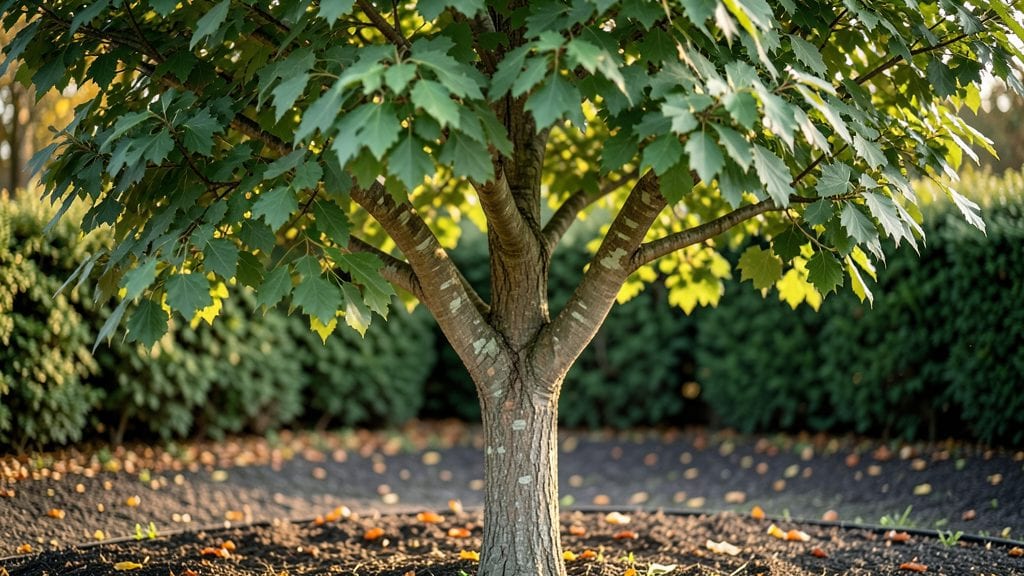
Japanese elm trees thrive in the Pacific Northwest’s damp winters, but their leaves can still turn yellow or brown from frost, pests, or disease—problems I’ve solved after seeing my own tree struggle with spotted foliage last winter.
The key is acting fast when you spot discoloration or chewed edges, before the issue spreads to the whole canopy.
Most issues start with environmental stress—like sudden cold snaps or poor drainage—but pests like lace bugs or fungal diseases like anthracnose can also take hold if ignored.
I’ve found that a mix of preventive care (like proper pruning and mulching) and quick treatments (neem oil for pests, fungicide for spots) keeps leaves lush and green through even the frostiest seasons.
📚 In This Guide
- What you need
- Instructions
- Tips and common mistakes
- Wrapping up and next steps
What you need
- ● Japanese Elm Tree (Ulmus davidiana var. japonica): 1–3 bare-root or container-grown saplings (3–6 ft tall, depending on desired maturity speed).
- ● Certified disease-resistant varieties (e.g., ‘Sapporo Autumn Gold’ or ‘Kinshi’ for vibrant fall foliage).
- ● Planting Site: Sunlight: Full sun to partial shade (6+ hours of direct sun daily for optimal leaf health).
- ● Soil: Well-draining, slightly acidic to neutral (pH 6.0–7.5). Amend heavy clay with compost or sand.
- ● Space: 30–50 ft apart for mature trees (accounting for their spreading canopy).
- ○ Soil Amendments (Optional but Helpful): 5–10 lbs of balanced fertilizer (10-10-10) or organic compost per planting hole.
- ● 1–2 cups of bone meal (for phosphorus, aiding root growth).
- ● Digging Tools: 1 shovel or spade (for digging planting holes).
- ● 1 garden trowel (for delicate root adjustments).
- ● Watering Supplies: 1 hose with adjustable nozzle or watering can (5+ gallons capacity).
- ● Mulch: 3–4 inches of wood chips or straw (retains moisture, suppresses weeds).
- ○ Pruning Tools (Optional): 1 pair of bypass pruners (for clean cuts on small branches).
- ● 1 pruning saw (for thicker branches, if needed).
- ● Safety Gear: 1 pair of gloves (gardening or work gloves).
- ● 1 safety goggles (if pruning near the face).
- ● ✅ Timing: Plant in early spring or fall (avoid extreme heat/cold).
- ● ✅ Climate Prep: Acclimate container-grown trees to outdoor conditions 1–2 weeks before planting.
- ● ✅ Disease Awareness: Japanese Elms are prone to Dutch elm disease—inspect trees for bark splits or wilting annually.
- ● ✅ Local Regulations: Check for city/county restrictions on invasive species (some Ulmus varieties are banned in certain areas).
How to cultivate a healthy Japanese elm tree in the Pacific Northwest
This hardy tree thrives in our region’s climate—here’s how to grow one that stands strong through frost and seasons.
Choose the Right Location for Planting
Japanese elms need full sun to partial shade, with at least 6 hours of sunlight daily for strong growth. In the Pacific Northwest, a spot with morning sun and afternoon shade works well—this prevents leaf scorch while still encouraging robust canopy development. Avoid low-lying areas where cold air pools, as elms are frost-resistant but not frost-proof.
Test the soil drainage before planting. Dig a small hole and fill it with water—if it drains within 30 minutes, the site is suitable. Poor drainage leads to root rot, which can kill even a resilient elm. If your soil drains slowly, amend it with 2-3 inches of compost mixed into the top 12 inches of soil.
Prepare the Planting Site and Transplant
Dig a hole twice as wide as the root ball but no deeper—this encourages roots to spread horizontally rather than settling too low. Loosen the roots gently if they’re circling or bound, then place the tree in the hole so the top of the root ball sits 1-2 inches above ground level. This prevents water from pooling around the trunk.
Backfill with the native soil, tamping lightly every 4-6 inches to remove air pockets. Water deeply to settle the soil and eliminate gaps. Mulch around the base with 2-3 inches of organic mulch, keeping it 6 inches away from the trunk to avoid rot. This layer helps retain moisture and regulate soil temperature, especially during frost.
Water and Fertilize for Strong Establishment
Water the tree deeply once a week for the first two months, ensuring the soil stays moist but not soggy. You’ll know it’s right when the top 2 inches of soil feel damp but not waterlogged. Overwatering suffocates roots, while underwatering stresses the tree—both weaken its frost resistance. After establishment, reduce watering to every 2 weeks unless the summer is particularly dry.
Apply a balanced, slow-release fertilizer (10-10-10) in early spring and again in mid-summer. Follow the package instructions for dosage—too much fertilizer burns roots, while too little leaves the tree vulnerable to pests. Avoid fertilizing in fall or winter, as new growth won’t harden off before frost.
Prune for Structure and Frost Hardiness
Prune in late winter or early spring before new growth begins. Remove any dead, diseased, or crossing branches first—these weaken the tree and invite pests. Then, thin out 20-30% of the canopy to improve airflow, which reduces the risk of fungal diseases that thrive in damp, cold conditions. Cut back to a bud or lateral branch to encourage healthy regrowth.
Never prune in fall, as new growth won’t have time to harden before frost. If you must prune later in the season, do so at least 6 weeks before the first expected frost to allow wounds to heal. Seal larger cuts (over ½ inch in diameter) with pruning sealant to prevent disease entry.
Monitor for Frost and Pest Issues
Japanese elms handle frost well, but young trees or sudden cold snaps can cause leaf damage. If frost is forecasted, water the tree deeply the day before—moist soil insulates roots better than dry soil. In extreme cold (< 20°F), wrap the trunk with tree guard or burlap to protect it from sunscald, which occurs when winter sun warms the bark and then cold snaps cause cracking.
Watch for signs of pests like elm leaf beetles or scale insects, which are common in Pacific Northwest gardens. Treat infestations early with neem oil or insecticidal soap, as severe damage weakens the tree’s ability to recover from frost. A healthy elm with strong foliage naturally resists most pests—so focus on proper watering and fertilization first.
Tips & tricks for cultivating frost-resistant Japanese elm trees
Here's what I've learned after watching these trees thrive through Pacific Northwest winters—simple details that make all the difference.
Soil Drainage is Non-Negotiable: That 30-minute drainage test in Step 1 is critical. If your soil drains slower, don't just add more compost—mix it thoroughly into the top 12 inches. I've seen root rot develop within weeks when homeowners just top-dressed with compost. For clay-heavy soils, consider creating a raised bed or planting mound to improve drainage permanently.
Mulching Matters More Than You Think: The 2-3 inches of organic mulch in Step 2 isn't just for looks—it acts like a thermal blanket. In winter, it insulates roots from temperature swings, while in summer it keeps soil cool. Keep that mulch 6 inches from the trunk to prevent rot, but don't skimp on the coverage. A thick, even layer makes all the difference during frost events.
Watering Wisdom for Frost Resistance: Those first two months of weekly watering in Step 3 build the tree's resilience. The key is consistent moisture—never let the top 2 inches dry out completely. I've noticed trees that get sporadic watering develop weaker root systems and struggle more with frost. Consider installing a drip irrigation system for young trees to maintain that consistent moisture.
Pruning Timing is Everything: That late winter/early spring window in Step 4 is when you want to prune. If you must prune later, the 6-week rule before frost is absolute. I made the mistake of pruning in October once, and the fresh cuts didn't heal properly before winter—it took the tree two full seasons to recover. Always seal those larger cuts immediately after pruning to prevent disease entry.
Pro Tips for Japanese Elm Tree Leaves
- Here's what I've learned after watching these trees thrive through Pacific Northwest winters—simple details that make all the difference.
- Soil Drainage is Non-Negotiable: That 30-minute drainage test in Step 1 is critical.
- Mulching Matters More Than You Think: The 2-3 inches of organic mulch in Step 2 isn't just for looks—it acts like a thermal blanket.
Frequently asked questions
Got questions about growing or caring for Japanese elm tree leaves in your Pacific Northwest garden? You're not alone! Here are some of the most common queries—and their answers—to help you get the most out of this hardy, frost-resistant tree.
Are Japanese elm tree leaves toxic to pets or children?
The good news is that Japanese elm (Ulmus davidiana) leaves are not toxic to pets or humans. While the tree itself isn’t a common culprit for poisoning, always monitor pets if they chew on fallen leaves or bark. If you notice unusual behavior, contact your vet or the ASPCA Poison Control Center for peace of mind.
How cold can Japanese elm trees tolerate?
One of the biggest perks of Japanese elm trees is their frost resistance! These trees thrive in USDA Zones 4-8, meaning they can handle temperatures as low as -30°F (-34°C). In the Pacific Northwest, where winters can be damp and chilly, they’re a reliable choice for year-round greenery—even in urban areas prone to frost pockets.
When is the best time to prune Japanese elm trees?
Prune your Japanese elm in late winter or early spring (before new growth starts) to avoid stressing the tree. Avoid heavy pruning in fall, as it can encourage tender new growth that may not survive winter. Use clean, sharp tools to make cuts just outside the branch collar for the cleanest healing. Pro tip: Remove any dead or diseased branches year-round to keep the canopy healthy!
Do Japanese elm leaves change color in autumn?
While Japanese elm leaves aren’t known for dramatic fall color, they often shift from deep green to soft yellows or browns as temperatures drop. The change is subtle compared to maples or oaks, but it adds a quiet, earthy tone to your garden. If you’re craving vibrant autumn hues, pair it with trees like Japanese maple or serviceberry for contrast.
How fast do Japanese elm trees grow, and how large do they get?
Japanese elms are moderate growers, adding about 12–24 inches per year under ideal conditions. Mature trees typically reach 40–60 feet tall with a spread of 30–50 feet, making them great for large yards or as a shade provider. For smaller spaces, consider the dwarf variety (Ulmus davidiana var. japonica ‘Pendula’), which stays compact.
Are Japanese elms prone to pests or diseases?
Japanese elms are generally low-maintenance, but they can occasionally face issues like elm leaf beetles or powdery mildew in humid conditions. Keep an eye out for yellowing leaves or chewed foliage. Treat infestations early with neem oil or insecticidal soap. Proper spacing and airflow (avoid overcrowding) can also prevent fungal problems.
Can I use Japanese elm leaves for mulch or compost?
Yes! Japanese elm leaves make excellent mulch or compost material. Their nitrogen-rich composition breaks down well, enriching soil as it decomposes. For mulch, shred the leaves first to speed up the process. Just avoid piling them too thickly around the tree base, as it can smother roots. Bonus: They’re a great alternative to synthetic mulches for eco-friendly gardening!
Wrapping up and next steps
The Japanese elm tree is a standout choice for Pacific Northwest gardens, offering stunning, frost-resistant foliage that thrives in cooler climates. Its unique leaves—deeply lobed, glossy, and resilient—bring year-round beauty while requiring minimal upkeep. Whether you're a seasoned gardener or just starting, this tree delivers low-maintenance elegance and ecological benefits.
Ready to transform your outdoor space? Start by researching local nurseries or checking soil conditions in your area—then plant your Japanese elm and watch it flourish! 🌿✨