Light Requirements
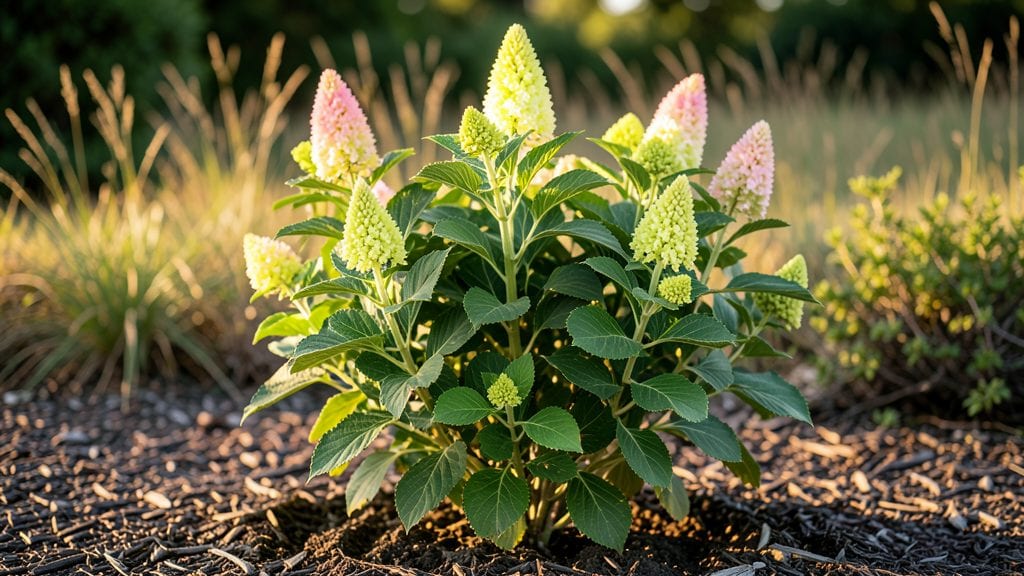
Hydrangea trees in full sun aren’t just possible—they’re stunning when you pick the right varieties. 🌞 I’ve grown Hydrangea paniculata (like ‘Limelight’ or ‘Little Lime’) in my hot, west-facing yard, and they’ve outshined anything in shade.
The trick? Matching the plant to the spot and giving it what it craves—deep water and rich soil—without letting it bake in the afternoon heat.
Not all hydrangeas handle full sun equally. Panicle hydrangeas (H. paniculata) and smooth hydrangeas (H. arborescens) thrive in sun, while bigleaf types (H. macrophylla) wilt in afternoon heat.
Once you’ve got the right variety, focus on moist, well-draining soil and consistent watering—these plants drink like they’re in a desert. A thick layer of mulch keeps roots cool, and pruning in late winter clears the way for bold, vertical blooms.
By summer’s end, you’ll have 6-foot-tall cascades of white, pink, or lime-green blooms that last well into fall. The flowers even dry beautifully for winter arrangements. Just watch for powdery mildew in humid climates—spraying neem oil preventatively keeps leaves crisp and disease-free.
This is how you turn a sunny spot into a showstopper.
Works for urban courtyards, foundation plantings, or even as a privacy screen. The key is patience—it takes a season or two for these trees to hit their full drama, but once they do, they’re impossible to ignore. Ready to grow one that steals the show?
📚 In This Guide
- What you need
- Instructions
- Tips and common mistakes
- Wrapping up and next steps
What you need
- ● Hydrangea Tree (Panicle or Oakleaf Variety) – Choose a full-sun tolerant type like Hydrangea paniculata (e.g., 'Limelight' or 'Little Lime') or Hydrangea quercifolia (Oakleaf). Look for a 1- to 3-gallon container-grown plant for best establishment.
- ● Well-Draining Soil Mix – A blend of 50% native soil, 30% compost, and 20% perlite or coarse sand (to prevent root rot). Aim for a pH of 5.5–6.5 (slightly acidic).
- ● Organic Mulch – 3–4 inches of pine bark fines, shredded leaves, or wood chips to retain moisture and regulate temperature.
- ● Slow-Release Fertilizer – A balanced 10-10-10 or acid-loving plant formula (e.g., Miracle-Gro Azalea/Camellia/Fern Food). Apply per label instructions in early spring.
- ● Drip Irrigation or Soaker Hose – 1–2 gallons per week during the first year, increasing to 3–4 gallons weekly in hot, dry spells. Morning watering is ideal.
- ● Garden Gloves – A pair of durable, breathable gloves (e.g., Wolfe Grip) to protect your hands.
- ● Trowel or Spade – A 6–8-inch digging trowel for planting or a round-point shovel for larger holes.
- ● Pruning Shears – Bypass pruners (e.g., Fiskars) for shaping and deadheading. Sterilize with rubbing alcohol between cuts.
- ○ Staking Supports (Optional) – 2–3 bamboo stakes and soft plant ties if your hydrangea is young or top-heavy.
- ● Sun Protection – Wide-brim hat and sunscreen for long planting sessions in full sun!
Step-by-step guide to thriving hydrangea trees in full sun
Sun-loving hydrangeas need a few key adjustments to flourish in hot spots.
🌱 Step 1: Select the Right Variety for Hot Climates
Not all hydrangeas tolerate full sun—opt for heat-resistant types like Oakleaf hydrangea (Hydrangea quercifolia) or Panicle hydrangea (Hydrangea paniculata). These varieties handle 6+ hours of direct sun better than mopheads or bigleaf types, which prefer shade. Check your local nursery for drought-tolerant cultivars bred for heat.
I always verify the plant tag for sun exposure labels before purchasing. A hydrangea marked for partial shade will struggle in full sun, while panicle types thrive in intense afternoon heat. If you're unsure, ask staff about heat-tolerant hydrangea mixes—they often carry specialized selections.
☀️ Step 2: Prepare the Planting Site for Sun Exposure
Full-sun hydrangeas need well-draining soil with rich organic matter. Amend native soil with 3-4 inches of compost mixed into the top 12 inches of the planting hole. This prevents root rot while retaining moisture—critical in hot climates where soil dries quickly.
Choose a location with morning sun and afternoon shade if possible, but if full sun is unavoidable, plant near a reflective surface (like a white wall or gravel path) to reduce heat stress. Mulch heavily with 3-4 inches of wood chips to keep roots cool and conserve moisture.
💧 Step 3: Water Deeply and Strategically in Hot Weather
Full-sun hydrangeas need 1-2 inches of water weekly, but deep watering 2-3 times per week is better than frequent shallow drinks. Water at soil level (not overhead) to prevent fungal issues. I set a rain gauge nearby to track moisture—hydrangeas wilt quickly when thirsty but recover fast with proper hydration.
Morning watering is ideal—it allows foliage to dry before evening, reducing powdery mildew risk. If your area gets 90°F+ temps, increase watering to 3 times weekly and monitor for leaf scorch (brown edges). A drip irrigation system keeps roots consistently moist without waste.
✂️ Step 4: Prune for Sun Exposure and Airflow
Prune full-sun hydrangeas right after flowering (late summer/early fall) to avoid removing next year’s blooms. Thin out 1/3 of old wood to improve airflow, which prevents fungal diseases common in hot, humid conditions. Use sterilized shears and make cuts just above a bud or leaf node for clean regrowth.
Remove any dead or diseased branches immediately—they trap heat and attract pests. I also trim back overly dense growth to let sunlight penetrate the center, where stems often dry out in full sun. A light structural prune in late winter (for panicle types) encourages bushier, sun-resistant growth.
🌿 Step 5: Protect and Maintain Through Heat Waves
During extreme heat, shade cloth (30-50%) draped over the plant for midday sun can prevent leaf burn. I use hoops and fabric instead of rigid frames—it’s flexible and easy to remove. Pair this with weekly foliar sprays of diluted seaweed fertilizer to boost heat tolerance.
Monitor for aphids or spider mites, which thrive in hot, dry conditions. A strong spray of water often dislodges them, but for severe infestations, use neem oil (applied in the evening to avoid burning leaves). With these adjustments, your hydrangea will reward you with bold, sun-drenched blooms year after year.
Tips & tricks for thriving hydrangeas in full sun
Here's what nobody tells you about keeping these sun-loving beauties happy in hot climates.
Variety Selection Wisdom: When choosing between Oakleaf and Panicle hydrangeas, remember Oakleaf varieties offer stunning fall color while Panicle types provide vertical structure and late-season blooms. I've found that Hydrangea paniculata 'Limelight' handles intense afternoon sun better than most, but always check for heat-tolerant labels on plant tags—this single detail can mean the difference between thriving and struggling plants. The nurseries often have special heat-resistant mixes that aren't always labeled as such.
Soil Preparation Secret: The 3-4 inches of compost mixed into the top 12 inches of soil isn't just about nutrients—it creates a moisture-retaining barrier that protects roots from both drought and heat stress. I like to add a handful of perlite to the mix when planting in full sun to improve drainage without sacrificing moisture retention. This simple adjustment prevents the root rot that often plagues hydrangeas in hot climates. Think of it as creating a root-friendly microclimate.
Watering Strategy: That 1-2 inches of weekly water might seem straightforward, but timing matters just as much. I've learned the hard way that watering at soil level (not overhead) prevents fungal diseases while keeping foliage dry for longer. For the 90°F+ days mentioned, I increase to 3 times weekly but switch to early morning watering—this gives leaves time to dry completely before evening humidity sets in. A simple rain gauge becomes your best friend for tracking these precise amounts.
Heat Wave Protection: The 30-50% shade cloth recommendation is gold, but here's the pro move: use lightweight fabric shade cloth instead of rigid frames. It's flexible enough to drape over plants without damaging stems, and you can easily remove it when temps drop. I also add a weekly seaweed fertilizer spray during heat waves—it contains natural compounds that help plants regulate their internal temperatures. This combination keeps your hydrangeas looking lush even when the mercury soars.
Pro Tips for Hydrangea Tree Full Sun
- Here's what nobody tells you about keeping these sun-loving beauties happy in hot climates.
- Variety Selection Wisdom: When choosing between Oakleaf and Panicle hydrangeas, remember Oakleaf varieties offer stunning fall color while Panicle types provide vertical structure and late-season blooms.
- Soil Preparation Secret: The 3-4 inches of compost mixed into the top 12 inches of soil isn't just about nutrients—it creates a moisture-retaining barrier that protects roots from both drought and heat stress.
Frequently asked questions
Got questions about growing a hydrangea tree in full sun? You’re not alone! Here are answers to the most common concerns—from placement to care—to help you nail that dreamy, sun-soaked look.
Can hydrangea trees really thrive in full sun?
Most hydrangea trees (like Hydrangea paniculata varieties) can handle 4–6 hours of direct sun daily, but afternoon shade helps in scorching climates. Oakleaf hydrangeas prefer partial shade, so check your variety! Pro tip: Mulch well to retain moisture and protect roots.
How do I prepare the soil for a full-sun hydrangea tree?
Full-sun hydrangeas need well-draining, slightly acidic soil (pH 5.5–6.5). Amend heavy clay with compost or peat moss, and mix in organic matter for nutrients. Avoid soggy soil—raise beds if drainage is poor. Bonus: A slow-release fertilizer in spring kickstarts growth!
When is the best time to plant a hydrangea tree in full sun?
Plant in early spring or fall when temps are mild (50–70°F). Avoid extreme heat or frost, which stress roots. If planting in summer, water deeply 2–3x/week and shade the pot until transplanting. Timing tip: Container-grown trees can go in any season!
Why are my hydrangea leaves turning brown in full sun?
Brown leaves often signal heat stress, underwatering, or sunburn. Prune leggy growth to improve airflow, water at the base (not leaves), and consider light afternoon shade during peak summer. Fix: A morning watering routine helps!
What’s a great full-sun hydrangea alternative if mine struggles?
Try Butterfly Bush (Buddleia), Crapemyrtle, or Smoke Tree (Cotinus)—they love sun and add vertical drama! For hydrangea-like blooms, Abelia or Weigela are drought-tolerant picks. Swap tip: Check your zone’s heat zones for matches!
How often should I prune a full-sun hydrangea tree?
Prune late winter/early spring (before new growth) to shape and remove dead wood. For paniculata types, cut back 1/3 of stems to encourage bigger blooms. Avoid heavy pruning in fall—it limits winter hardiness. Reminder: Sterilize tools to prevent disease!
Wrapping up and next steps
Growing a hydrangea tree in full sun is totally doable with the right variety and care—think Panicle Hydrangeas or Oakleaf Hydrangeas stealing the show in your brightest garden spots! 🌞 With proper watering, mulching, and a little shade relief during peak heat, you’ll enjoy lush blooms and vertical drama that turns heads. Ready to transform your sunny space?
Start by picking your favorite hydrangea type, then grab your tools and get planting—your garden’s bold new focal point awaits!