How To
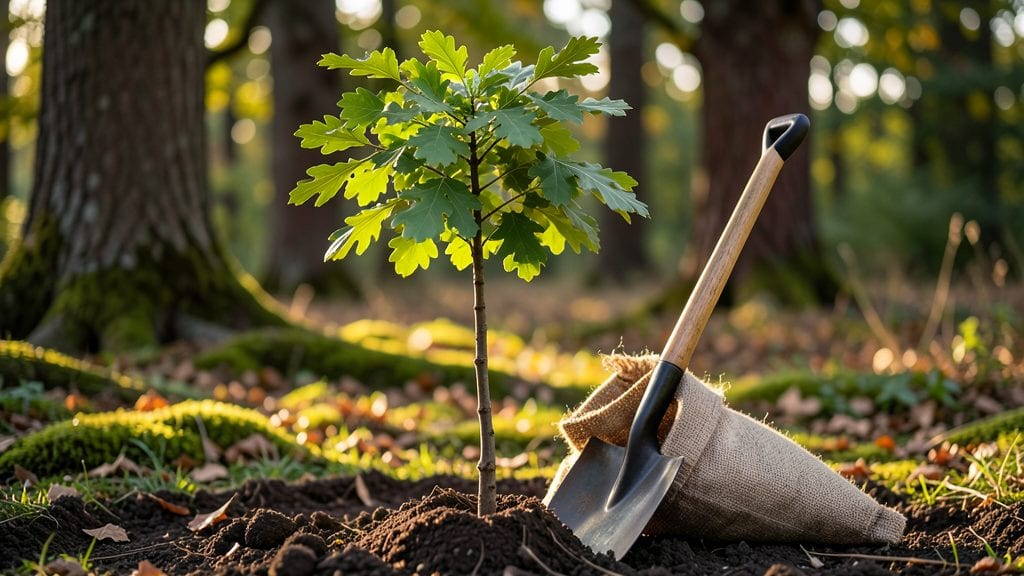
Transplanting an oak tree isn’t a weekend project—it’s a commitment to its future, and doing it right means years of strong growth ahead. 🌳 I’ve moved young oaks myself, and the key isn’t brute force but careful timing, minimal root disturbance, and understanding just how delicate these giants can be.
Most people fail because they rush it, but oak trees reward patience with decades of shade and stability.
Start with a dormant-season transplant in early spring or fall when roots aren’t actively growing, and never attempt this on a tree over 15 feet tall without professional help. You’ll need a sharp spade, root stimulator, burlap, and a wheelbarrow—plus a plan for keeping the root ball intact.
The bigger the tree, the more critical this step becomes, and even small mistakes can set back growth for years.
📚 In This Guide
- What you need
- Instructions
- Tips and common mistakes
- Wrapping up and next steps
What you need
- ● Shovel or spade: A sturdy, sharp-edged digging tool (preferably 24–36 inches wide for mature oaks).
- ● Pruning shears or handsaw: For trimming roots and branches (10–12 inch blade recommended).
- ● Root stimulator or mycorrhizal fungi: A powder or gel to encourage root growth (follow package instructions).
- ● Burlap or tree sack: To wrap roots during transport (at least 3–4 feet wide for medium oaks).
- ● Wheelbarrow or dolly: For moving the tree (ensure it’s wide enough for the root ball).
- ● Garden hose with spray nozzle: For keeping roots and soil moist during the process.
- ● Stakes and soft ties: To support the tree post-transplant (2–3 stakes, 1–2 inches wide).
- ● Mulch (wood chips or straw): 2–3 inches deep, kept 6 inches away from the trunk.
- ● Watering can or hose attachment: For deep watering after transplanting.
- ● Root knife or saw: For precision root cutting if needed.
- ● Tree transplanting gel: Helps reduce root shock (apply to cut roots).
- ● Soil conditioner (compost or peat moss): Mix into the new hole for better drainage.
- ● Fertilizer (low-nitrogen, phosphorus-rich): Use 3–4 months after transplanting.
- ● Tree guard or protective wrap: Shields the trunk from pests or sun damage.
Step-by-step instructions for transplanting an oak tree
Here's the method I rely on to give oak trees the best chance at thriving in their new home.
🪴 Step 1: Choose the Right Time and Prepare the New Location
Transplant oak trees only when they're dormant—either in early spring before buds swell or in late fall after leaves drop. This timing minimizes stress and gives roots time to establish before active growth begins. Avoid transplanting during summer heat or winter freezes, as both extremes shock the tree.
Select a new location with similar growing conditions to the original site. Oaks need full sun (at least 6 hours daily) and well-draining soil. Dig a hole twice as wide as the root ball but only as deep as the root system—planting too deep suffocates roots. Amend the native soil with compost if it's heavy clay or sandy, but avoid heavy amendments that alter drainage.
🌱 Step 2: Dig Around the Oak Tree and Lift the Root Ball
Use a sharp spade or trencher to dig a circular trench around the oak, 12-18 inches from the trunk, cutting straight down to expose roots. Work slowly to avoid severing large roots—oak roots are tough but can be damaged by rough handling. For larger trees, consider renting a tree spade to lift the entire root ball intact.
Once the trench is complete, carefully lift the root ball with a tree fork or tarp. For mature oaks, wrap the root ball in burlap or a tarp to protect roots during transport. Keep the root ball moist by lightly misting it every 30-60 minutes if moving takes longer than a few hours. Never let roots dry out—they'll struggle to recover.
☀️ Step 3: Position and Plant the Oak Tree in Its New Home
Place the oak tree in the prepared hole so the top of the root ball sits level with the surrounding soil—never mound soil against the trunk. Spread the roots gently outward to encourage outward growth. Fill the hole with native soil mixed with compost, tamping lightly every 6 inches to eliminate air pockets. Water deeply to settle the soil and eliminate gaps.
Create a berm or water ring around the outer edge of the hole to direct water toward the roots. Mulch with 3-4 inches of wood chips or pine straw, keeping mulch 6 inches away from the trunk to prevent rot. Water the tree deeply once a week for the first month, then taper off to every 2-3 weeks once roots establish.
✂️ Step 4: Stake and Prune for Stability and Health
Stake only if the oak is taller than 15 feet or in a windy location. Use two stakes placed opposite each other, tied loosely with rubber tree straps—never wire, which can girdle the trunk. Prune only to remove broken branches or those rubbing against each other. Avoid heavy pruning, which stresses the tree further. Never top the tree—this invites disease and weak growth.
Monitor the oak closely for the first year. Yellowing leaves may signal overwatering or poor drainage, while wilting suggests underwatering or root damage. If leaves drop prematurely, reduce watering immediately. Oaks are tough but need patience—full recovery can take 2-3 years, especially for mature specimens.
Tips & tricks for transplanting an oak tree
These insider tricks will help your oak tree not just survive, but thrive after transplanting—and avoid the common pitfalls that lead to failure.
The Timing Factor: Early spring or late fall are your golden windows for transplanting, but don't just pick any day. Choose a cool, cloudy day to minimize stress on the tree. I've seen oaks transplanted on hot days struggle even when everything else seemed perfect—the shock of heat and sun is brutal during recovery. If you must transplant in summer, do it at dusk to avoid midday heat.
Root Ball Protection: When lifting the root ball in Step 2, think of it like moving a fragile sculpture—oak roots are tough but still delicate. Wrap the root ball in burlap or a tarp immediately after lifting, even if you're just moving it a few feet. I once transplanted a young oak without wrapping, and by the time I got it to the hole, the roots were drying out. Keep that root ball moist every 30-60 minutes during transport—this isn't optional, it's critical for survival.
Soil Science: The hole you dig should be twice as wide as the root ball, but here's the secret: don't mix in too much compost. While amending heavy clay or sandy soil is smart, avoid heavy amendments that change drainage. Native soil mixed with just a little compost (about 20%) gives roots familiar conditions to establish in. I've seen trees fail when gardeners over-amended—they thought they were helping, but the roots couldn't adapt to the new soil composition.
Watering Wisdom: That first month of weekly deep watering is non-negotiable, but here's what nobody tells you: the water ring you create should slope slightly toward the tree. Many people make it perfectly circular, but a gentle slope directs water exactly where the roots need it. Also, water slowly—fast pouring creates runoff that wastes water and doesn't penetrate deeply enough. Use a hose with a gentle spray nozzle or a soaker hose for best results.
Pro Tips for Transplant An Oak Tree
- These insider tricks will help your oak tree not just survive, but thrive after transplanting—and avoid the common pitfalls that lead to failure.
- The Timing Factor: Early spring or late fall are your golden windows for transplanting, but don't just pick any day.
- Root Ball Protection: When lifting the root ball in Step 2, think of it like moving a fragile sculpture—oak roots are tough but still delicate.
Frequently asked questions
about transplanting an oak tree—because even the toughest trees need a little guidance! Whether you're a first-time gardener or a seasoned landscaper, these answers will help you tackle the job with confidence.What’s the best time of year to transplant an oak tree?
Transplant oak trees in early spring or late fall when temperatures are mild and the tree is dormant. Avoid extreme heat or frost—root systems are delicate! Young oaks (under 10 years) adapt better than mature ones. Pro tip: If transplanting in summer, do it on a cloudy day to reduce stress.
How long does it take for an oak tree to recover after transplanting?
Recovery time varies, but most oaks show signs of stabilization within 1–2 years. Young trees bounce back faster (6–12 months), while mature oaks may take 3–5 years. Monitor for wilting, leaf drop, or fungal growth—these could signal stress. Pro tip: Mulch heavily and water deeply to speed up healing!
Can I transplant an oak tree in its flowering or fruiting season?
No!
Transplanting during flowering (spring) or acorn production (fall) weakens the tree. It diverts energy from root establishment to reproduction. Wait until after flowering or acorn drop (late spring/early summer or late fall) for the best success rate.
How often should I water an oak tree after transplanting?
Water deeply 2–3 times per week for the first year, then taper to once a week as roots establish. Overwatering is worse than underwatering—oaks hate soggy roots! Check soil moisture 2 inches below the surface before watering. Pro tip: Use a soaker hose to deliver water slowly and evenly.
What if my oak tree looks stressed after transplanting?
Stress signs include yellowing leaves, wilting, or fungal growth. Act fast: trim damaged branches, apply mycorrhizal fungi to boost roots, and avoid fertilizers (they stress weak trees). If leaves drop entirely, it’s not fatal—just a survival response. Patience is key! Pro tip: A light layer of compost can help recover nutrient loss.
Are there alternatives if my oak tree is too large to transplant?
Yes! For mature oaks, consider root pruning (gradually trimming roots over years) or grafting a new oak onto the existing root system. If removal is unavoidable, hire a professional arborist—oaks over 30 feet tall are high-risk projects. Pro tip: Smaller balled-and-burlapped oaks (under 15 feet) transplant best!
Wrapping up and next steps
Transplanting an oak tree is a rewarding but delicate process—one that demands patience, preparation, and care. By choosing the right season, gathering the proper tools, and following careful steps to minimize stress on the tree, you’re giving it the best chance to thrive for decades to come. 🌳✨
Ready to take the next step? Start by monitoring your oak’s health over the next few months—watering consistently, pruning wisely, and keeping an eye out for signs of stress.
And if you’re feeling ambitious, research long-term care tips to ensure your transplanted oak becomes a stunning centerpiece for years to come!