
Pruning
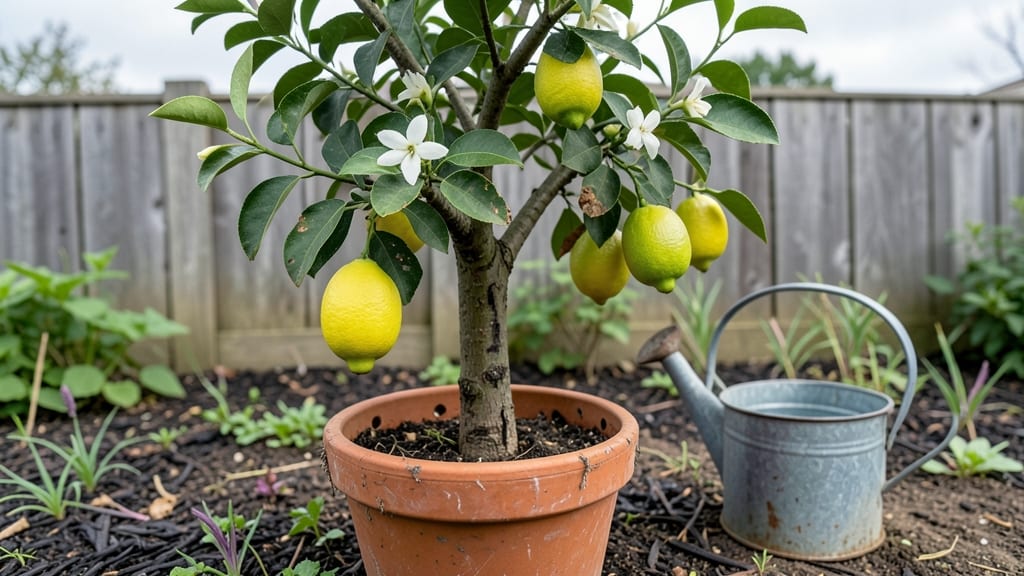
Learn how to take care of a lemon tree in a pot—because it’s not just about watering; it’s about mimicking the Mediterranean sunshine it thrives in. 🌞 My first potted Meyer lemon tree struggled until I moved it to a south-facing spot with 6+ hours of direct light daily, and suddenly, those tiny blossoms appeared.
The secret lies in mimicking its natural habitat: bright light, well-draining soil, and just the right balance of water.
You’ll need a 15-20 gallon pot with drainage holes, a mix of potting soil and perlite, and patience—these trees take 2-3 years to bear fruit but reward you with zesty, homegrown lemons for decades.
Pruning in late winter keeps the shape manageable, and a monthly dose of citrus fertilizer during growing season prevents nutrient burnout.
By summer, you’ll watch those glossy leaves unfurl and delicate white flowers bloom, followed by the first green orbs turning golden. The key is consistency: water when the top inch of soil dries, protect from drafts in winter, and never let the pot sit in saucers of water.
That’s how you turn a houseplant into a fruit-bearing star.
Even in small spaces, this works—balconies, patios, or sunny windowsills. The only real challenge? Keeping up with the harvest once those lemons start rolling in. Trust me, the first time you slice into a homegrown lemon is a game-changer.
📚 In This Guide
- What you need
- Instructions
- Tips and common mistakes
- Wrapping up and next steps
What you need
- ● Pot: A drainage-heavy container (minimum 12–15 inches wide for dwarf varieties, 18+ inches for standard trees). Opt for terracotta or fabric pots (better airflow) with drainage holes.
- ● Well-draining potting mix: A blend of 60% cactus/succulent mix, 30% perlite or pumice, and 10% compost (avoid heavy garden soil!).
- ● Lemon tree sapling: Choose a dwarf Meyer lemon (hardier for pots) or a standard lemon tree from a nursery (ensure it’s potted and healthy).
- ● Fertilizer: A balanced citrus fertilizer (e.g., 6-6-6 or 8-3-9 NPK ratio) or organic options like fish emulsion or seaweed extract.
- ● Mulch: Organic mulch (e.g., straw or wood chips) to retain moisture and regulate soil temp.
- ● Pruning shears: Sharp, sterilized shears (or small bypass pruners) for trimming.
- ● Spray bottle: For light misting (lemon trees love humidity!).
- ○ Support stake: A small bamboo or metal stake (optional, for young trees).
- ● pH test kit: To check soil pH (ideal range: 6.0–7.0).
- ○ Grow lights: (Optional for indoor setups) LED full-spectrum bulbs (12–14 hrs/day).
- ○ Peat moss or coconut coir: (Optional) For improving drainage in heavy mixes.
Step-by-step instructions for growing a thriving potted lemon tree
Here’s my battle-tested approach to keeping your lemon tree lush and fruiting—indoors or out.
🪴 Step 1: Choose the Right Pot and Drainage
Start with a 12-18 inch diameter pot (larger than what you think you need) with multiple drainage holes—lemon trees despise soggy roots. I use unglazed terra cotta because it wicks away excess moisture, but any container with drainage works. If your pot lacks holes, drill them yourself—4-6 holes spaced evenly around the base.
Line the bottom with 2-3 inches of gravel or broken pottery to create an air gap. This prevents root rot by ensuring water drains freely. Skip the fancy saucers unless you’re willing to empty them daily—trapped water at the bottom of the pot is a breeding ground for fungus.
☀️ Step 2: Position for Maximum Sunlight
Lemon trees need 6-8 hours of direct sunlight daily—no compromises. Place your tree near a south-facing window or under grow lights if indoors. You’ll know it’s getting enough light when new leaves are bright green and glossy, not pale or yellowing.
Rotate the pot quarter-turn weekly so the tree grows evenly. If you notice leaves stretching toward the light (called "etiolation"), your tree is starving for sun. Move it closer or supplement with a full-spectrum LED grow light kept 6-12 inches above the canopy for 12-14 hours daily.
💧 Step 3: Water Deeply but Infrequently
Water when the top 2 inches of soil feel dry—stick your finger in to check. Lemon trees in pots dry out faster than in-ground plants, but they’ll tell you when they’re thirsty: drooping leaves (usually in the afternoon) mean it’s time to water. Give the tree a deep drink until water runs freely from the drainage holes, then empty the saucer.
Overwatering is the #1 killer of potted citrus. If the soil stays damp for more than 2-3 days, cut back. In winter, reduce watering to every 7-10 days—growth slows, and roots need less moisture. Yellowing leaves often signal overwatering, while crispy edges mean underwatering.
✂️ Step 4: Prune for Shape and Health
Prune in late winter or early spring before new growth begins. Remove dead, crossing, or inward-growing branches first—these compete for energy and block airflow. Cut just above an outward-facing leaf or bud to encourage bushier growth. Use clean, sharp pruners to avoid tearing the bark.
Shape the tree by trimming leggy branches back by one-third. This encourages denser foliage and more fruit. Avoid heavy pruning in fall or winter—your tree needs all its energy to recover. After pruning, apply a balanced citrus fertilizer (10-10-10) to support new growth.
🌿 Step 5: Fertilize and Encourage Fruit
Feed your lemon tree every 4-6 weeks during spring and summer with a citrus-specific fertilizer (high in nitrogen early in the season, then shift to a 10-10-10 or 8-3-9 blend for fruiting). I mix mine into the top 2 inches of soil after watering to prevent root burn.
For flowering and fruiting, lemon trees need consistent care—especially warmth (65-80°F) and humidity. Mist the leaves daily in dry climates or place the pot on a pebble tray with water to increase humidity. If you see buds but no fruit, your tree may need more phosphorus—switch to a 5-10-10 fertilizer for a few months.
Tips & tricks for perfect potted lemon tree care
A few strategic tweaks can transform your lemon tree from struggling to thriving—here's what nobody tells you about keeping it productive year-round.
Soil Science Matters: The 12-18 inch pot size recommendation accounts for root growth, but soil composition is equally critical. Use a well-draining citrus-specific potting mix combined with 20% perlite or pumice to prevent compaction. I've found that adding a handful of worm castings at planting boosts microbial activity, which helps roots absorb nutrients more efficiently during those critical 6-8 hours of sunlight.
Lighting Hack for Indoor Growers: When supplementing with grow lights (12-14 hours daily), position them just above the canopy—not the top of the pot. This prevents leaf burn while ensuring even light distribution. I use a simple timer to automate the 12-14 hour cycle, which saves me from remembering to turn lights on/off daily. The key is maintaining consistent light levels—fluctuations stress the tree more than insufficient light.
Watering Wisdom: The "top 2 inches dry" rule works, but here's the secret: water until you see moisture emerge from the drainage holes. This ensures complete saturation without overdoing it. In winter, when you're reducing to every 7-10 days, check moisture by lifting the pot—if it feels unusually heavy, hold off on watering. The weight difference is your best indicator of root zone moisture.
Pruning Pro Tip: When trimming leggy branches back by one-third in Step 4, focus on removing branches that grow toward the center of the tree. These compete for light and create dense, shaded areas where fruit won't develop. After pruning, wipe your pruners with rubbing alcohol between cuts to prevent spreading any potential pathogens that might be hiding in the bark.
Pro Tips for Take Care Of Lemon Tree In Pot
- A few strategic tweaks can transform your lemon tree from struggling to thriving—here's what nobody tells you about keeping it productive year-round.
- Soil Science Matters: The 12-18 inch pot size recommendation accounts for root growth, but soil composition is equally critical.
- Lighting Hack for Indoor Growers: When supplementing with grow lights (12-14 hours daily), position them just above the canopy—not the top of the pot.
Frequently asked questions
Got questions about keeping your potted lemon tree thriving?
Here are answers to the most common ones—so you can grow juicy lemons with confidence!
How often should I water my potted lemon tree?
Water your lemon tree when the top 1–2 inches of soil feel dry. Overwatering is worse than underwatering—aim for consistently moist (not soggy) soil. In summer, check daily; in winter, reduce to once a week or less. Pro tip: Use a pot with drainage holes to prevent root rot!
When can I expect lemons to grow in a potted lemon tree?
Patience is key! A healthy potted lemon tree (like Meyer lemon varieties) may produce fruit in 2–5 years, depending on care. Ensure it gets 6+ hours of sunlight daily and blooms first—then wait 4–6 months for lemons. Cold drafts or stress can delay fruiting.
What’s the best temperature for a potted lemon tree?
Lemon trees love warmth! Keep them in 60–85°F (15–30°C) year-round. Protect from frost (<40°F/4°C kills them) by moving indoors near a sunny window. In summer, they tolerate heat, but avoid extreme heat waves—water deeply and provide afternoon shade if temps exceed 90°F (32°C).
Can I use regular potting soil for my lemon tree?
Not ideal! Lemon trees need well-draining, slightly acidic soil (pH 6.0–7.0). Mix 50% potting soil with 30% perlite and 20% compost for airflow. Avoid heavy garden soil—it causes root rot. Bonus: Add citrus-specific fertilizer in spring/summer for extra nutrients!
Why are my lemon tree leaves turning yellow?
Yellow leaves usually mean overwatering, nutrient deficiency, or pests. Check the soil—if it’s soggy, reduce watering. For deficiencies, use a citrus fertilizer (high in nitrogen). Inspect for spider mites or aphids (wipe leaves with soapy water if needed). Act fast: Trim affected leaves to save the tree!
How big can a lemon tree grow in a pot?
With proper care, a potted lemon tree can reach 6–10 feet tall but stays manageable with pruning. Choose a 15–20 gallon pot for mature trees (repot every 2–3 years). If it outgrows your space, prune in late winter to control size—just avoid heavy cuts that stress the tree.
Wrapping up and next steps
Caring for a lemon tree in a pot is totally doable—just remember: sunlight, balance, and patience are your best friends! 🌞 With the right pot, soil, pruning, and a dash of love, you’ll enjoy fresh lemons year-round. Start small, stay consistent, and soon you’ll be harvesting your own zesty rewards.
Ready to take the next step? Pick a sunny spot, grab your shears, and give your lemon tree the TLC it deserves! 🍋✨