
Pruning
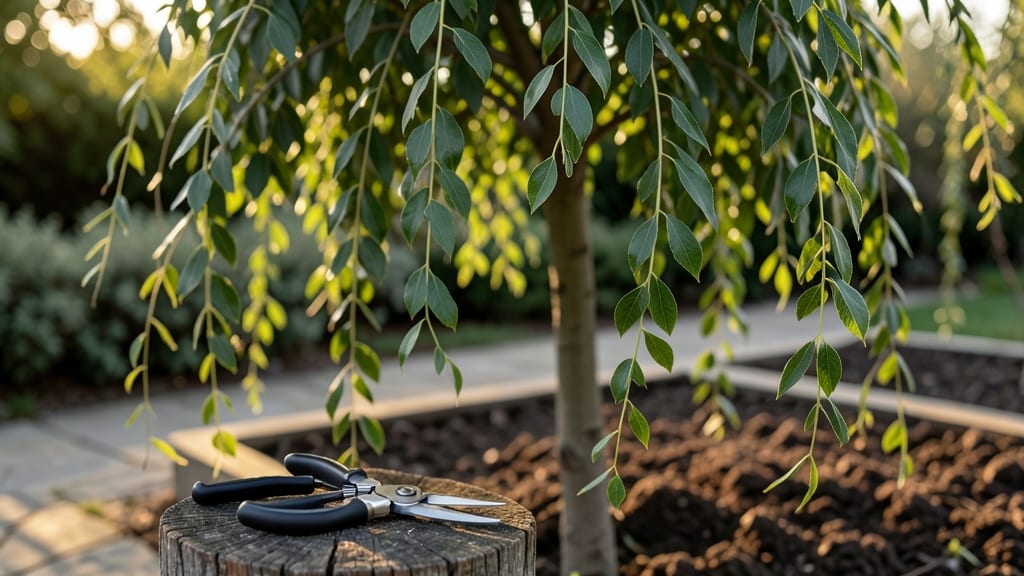
Pruning a weeping mulberry tree transforms it from a wild tangle into a graceful, cascading masterpiece—if you know the right moves. 🌿 I’ve spent years shaping mine, and the difference between a lanky mess and a showstopper comes down to timing, technique, and a little patience.
The key isn’t just cutting branches; it’s guiding growth so those long, elegant limbs keep their weeping form while staying strong enough to support their own weight.
You’ll need sharp pruning shears, a sturdy ladder (for higher branches), and a clear day when the tree isn’t stressed—spring is ideal, but light pruning in late winter or summer works too. Avoid heavy cuts in fall, or you risk encouraging tender new growth before winter sets in.
The goal is to remove about 10-15% of the foliage each year, focusing on dead, crossing, or overcrowded branches first. Think of it like sculpting: you’re refining the tree’s natural shape, not hacking it into submission.
After pruning, your tree will reward you with denser foliage and longer, more graceful branches by next spring. The secret is in the cuts—always prune just above a bud or lateral branch, and angle the cut slightly downward to shed water.
Seal larger wounds with pruning sealant to prevent disease, and water deeply afterward to help the tree recover. Within a season, you’ll see those weeping limbs fill out with lush, vibrant leaves, and your tree will look like it belongs in a botanical garden.
This method works year-round with adjustments: light pruning in summer to control growth, structural shaping in late winter, and cleanup pruning after storms or heavy snow. The weeping mulberry is forgiving, but consistency is key—skip a season, and those branches may lose their elegant drape.
Start small, observe how the tree responds, and you’ll have a tree that’s both healthy and the envy of the neighborhood.
📚 In This Guide
- What you need
- Instructions
- Tips and common mistakes
- Wrapping up and next steps
What you need
- ● Pruning shears – Bypass pruners (for small branches, 5/8"–1" cutting capacity). Never use anhedora pruners—they crush stems!
- ● Loppers – Long-handled (20"–24"), 1.5"–2" cutting capacity for thicker branches (up to 2").
- ● Pruning saw – Curved-tooth for branches 2"–4" in diameter. A folding saw adds convenience.
- ● Gloves – Heavy-duty, cut-resistant (e.g., leather or reinforced fabric) to protect from thorns and rough bark.
- ● Disinfectant – 70% isopropyl alcohol or a 10% bleach solution (1 part bleach to 9 parts water) to sterilize tools between cuts.
- ○ Tree wound dressing – Optional but helpful for large cuts (e.g., pruning sealant or tree paint). Note: Skip this for small cuts—modern research suggests it’s often unnecessary!
- ● Ladder or step stool – Sturdy, extendable (12–16 ft) for high branches. Never stand on the tree itself!
- ● Trash bags or bucket – For collecting pruned branches and debris.
- ● Sharpie or marker – To mark cuts you plan to make before pruning.
- ● Pole pruner – For high branches (10–15 ft reach).
- ● Safety glasses – To shield eyes from debris.
- ● Work apron – With pockets to hold small tools.
- ● Hose or spray bottle – To clean tools mid-pruning and rinse off sap.
- ● Pruning guide or ruler – Helps measure branch thickness and ensure proper cuts.
Step-by-step instructions for pruning a weeping mulberry tree
Here’s how I keep my weeping mulberry looking graceful—no guesswork, just clear cuts.
✂️ Step 1: Time Your Pruning for Best Results
Prune your weeping mulberry in late winter or early spring—just as new growth begins. This timing lets you shape the tree before summer heat stresses it. Avoid pruning in fall or winter when the tree is dormant, as you’ll miss the fresh growth cues that help you see where to cut.
If you spot dead or diseased branches anytime, remove them immediately. Weeping mulberries are forgiving, but leaving dead wood invites pests. Look for branches that are brown, brittle, or oozing sap—those are your targets first.
🌿 Step 2: Gather the Right Tools for Clean Cuts
You’ll need sharp pruning shears for small branches (under ½ inch thick) and a pruning saw for thicker limbs. Dull tools tear bark and damage the tree, so sharpen your blades before starting. I also keep rubbing alcohol and pruning sealant on hand to disinfect cuts and prevent disease spread.
Wear gloves—mulberry sap can stain, and thorns (yes, they have them!) make pruning messy. Work on a dry day; wet branches are slippery and harder to cut cleanly. A ladder or extension pole helps reach higher branches safely without straining.
✂️ Step 3: Remove Dead, Crossing, or Overcrowded Branches First
Start by thinning the canopy from the inside out. Remove branches that rub against each other or grow inward—they’ll compete for sunlight and weaken the tree. Aim to open the center so light reaches the lower branches, keeping that signature weeping shape.
Cut just outside the branch collar (the swollen area where the branch meets the trunk). Never leave stubs—they invite rot. For larger branches, make a clean, angled cut about ¼ inch above a bud or side branch to encourage healthy regrowth.
🌱 Step 4: Shape the Tree for Balance and Airflow
Step back and study the tree’s natural form. Weeping mulberries grow downward, so focus on preserving that graceful arc. Trim the outer edges lightly to maintain symmetry, but avoid over-pruning—you want to keep at least ⅓ of the foliage to support photosynthesis.
If a branch is growing too upright, cut it back to a side shoot that angles downward. This encourages the tree to fill out its weeping habit. For long, leggy branches, shorten them by ⅓ to stimulate bushier growth. Always prune outward to avoid creating a dense center.
💧 Step 5: Clean Up and Monitor for Recovery
After pruning, rake up all debris and dispose of it—don’t compost diseased branches. Wipe your tools with rubbing alcohol to prevent spreading pathogens. Water the tree deeply if you’ve pruned during dry weather, but avoid overwatering, which can stress fresh cuts.
Watch the tree over the next 2-3 weeks. New growth should emerge from the cut areas within 4-6 weeks. If you see yellowing leaves or oozing sap at the cuts, apply pruning sealant to protect the wound. With proper care, your weeping mulberry will bounce back stronger and more beautiful.
Tips & tricks for pruning a weeping mulberry tree
Here's what I've learned after years of shaping my own weeping mulberry—simple tricks that make all the difference for a healthy, beautiful tree.
Timing is Everything: Late winter or early spring is your best window because that's when the tree starts its active growth cycle. I've pruned in summer and regretted it—new cuts made in hot weather can stress the tree and invite pests. If you must prune outside this window, focus only on removing dead or diseased branches immediately.
Tool Sharpness Matters: Dull pruning shears tear bark and damage the tree more than you'd think. Before you start, test your tools by making a clean cut through a small branch—if it crushes instead of cleanly slices, sharpen first. I keep a small file in my toolbox just for this purpose. For larger branches, a pruning saw with a fine tooth blade will give you cleaner cuts without tearing.
Branch Collar Technique: That swollen area where branches meet the trunk (the branch collar) isn't just decoration—it's crucial for healing. When you cut, always make your slice just outside this collar, never flush with it. I've seen so many trees develop rot because people cut too close. For larger branches, make a clean angled cut about ¼ inch above a side bud to encourage healthy regrowth.
Cleanup Prevents Problems: After pruning, don't just leave the debris on the ground. Rake up all clippings and dispose of them properly—don't compost diseased branches. I wipe my tools with rubbing alcohol between cuts to prevent spreading any pathogens. This might seem like overkill, but it's how you avoid turning a pruning session into an invitation for tree diseases.
Pro Tips for Prune A Weeping Mulberry Tree
- Here's what I've learned after years of shaping my own weeping mulberry—simple tricks that make all the difference for a healthy, beautiful tree.
- Timing is Everything: Late winter or early spring is your best window because that's when the tree starts its active growth cycle.
- Tool Sharpness Matters: Dull pruning shears tear bark and damage the tree more than you'd think.
Frequently asked questions
Got questions about pruning your weeping mulberry tree? You’re not alone!
Here are answers to the most common concerns—from timing to tools—to keep your tree thriving and looking its best.
When is the best time to prune a weeping mulberry tree?
The ideal time is late winter or early spring (before buds swell) to encourage healthy growth. Avoid heavy pruning in fall, as it can stimulate tender new shoots vulnerable to cold. Light shaping can happen anytime, but never prune during frost or extreme heat.
Can I prune a weeping mulberry tree in summer?
Yes, but only for light maintenance—like removing dead branches or shaping. Heavy summer pruning stresses the tree and can lead to suckering (unwanted shoots) or weak growth. If you must prune, do it on a cool, overcast day to reduce stress.
How much can I cut back a weeping mulberry tree?
Never remove more than 25-30% of the tree’s foliage in one session. Weeping mulberries are sensitive to over-pruning. For drastic reshaping, spread cuts over 2-3 years. Focus on thinning crowded branches and removing dead wood first.
Will pruning affect fruit production?
Pruning doesn’t stop fruit, but it can reduce yield if done too aggressively. To maximize berries, prune lightly in spring and avoid cutting back fruiting branches. If you’re pruning for shape, prioritize outer branches to preserve the tree’s center.
What should I do if my weeping mulberry tree has no leaves after pruning?
Don’t panic! If the tree still has buds or bark is green under cuts, it’s likely dormant. Water deeply and wait 2-3 weeks. If branches are completely bare and dry, they may be dead—remove them in late winter. Over-pruning or pruning too late in the season can cause this.
Can I use hedge trimmers instead of pruning shears?
For small, fine branches, hedge trimmers work in a pinch—but they’re not ideal. They can tear bark and create uneven cuts, inviting disease. For thicker branches (over ½ inch), always use sharp bypass pruners or a pruning saw for clean cuts.
Wrapping up and next steps
Pruning your weeping mulberry tree doesn’t have to be intimidating—just follow the right timing, tools, and techniques, and you’ll reward yourself (and your tree!) with a stunning, healthy canopy year after year. 🌿 Whether you’re trimming for shape, health, or fruit production, the key is patience and consistency.
Now that you’re armed with these year-round shape secrets, grab your pruners and get ready to transform your tree into a lush, graceful masterpiece!
Next step: Mark your calendar for your first pruning session—spring is the perfect time to start! 📅 And don’t forget to celebrate your green thumb as your tree flourishes under your care.