Planting
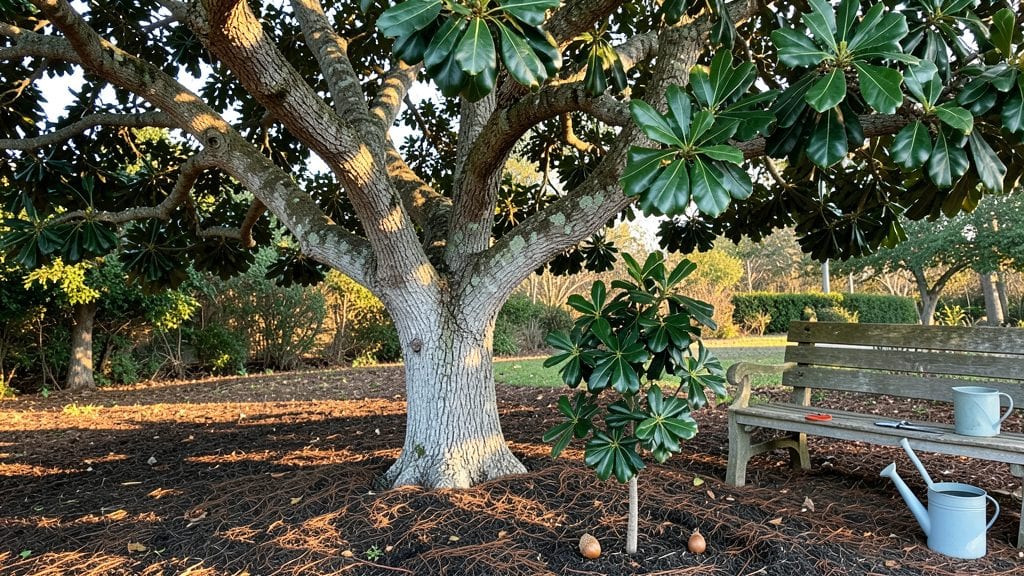
Learn how to plant a live oak tree from acorn—it’s the ultimate gardening patience test, and the most rewarding. 🌱 The key starts with mimicking nature: acorns need cold, moisture, and time to break dormancy before they’ll even think about sprouting.
I’ve watched my own acorns take over a year to germinate, but when that first green shoot cracks through, it’s worth every month of waiting.
You’ll need fresh acorns (from mature trees, please—don’t dig them up from your neighbor’s yard), a plastic bag or moist paper towels for stratification, and a sunny spot with well-draining soil.
The process isn’t complicated, but it does require planning: acorns need 60-90 days of cold stratification before planting, and even then, germination can take another 3-6 months. That’s nearly a year before you see anything above ground—but trust me, the oak you grow will outlive you.
Once those first leaves appear, you’ll shift to nurturing a 10-foot-tall sapling in just a few years. The real magic happens when you let it grow wild, with roots spreading deeper than its height and branches forming a canopy that shades your entire yard.
This isn’t a quick project; it’s a legacy. But with the right prep work, you’ll have a century-old tree standing where you planted that acorn.
Here’s where it gets interesting: most people quit before the first leaf appears. Don’t be one of them. The secret to success is consistency—watering deeply but infrequently, protecting young seedlings from deer, and giving them full sun from day one.
If you stick with it, you’ll have a live oak that outlives every other tree in your neighborhood—and maybe even your grandchildren.
📚 In This Guide
- What you need
- Instructions
- Tips and common mistakes
- Wrapping up and next steps
What you need
- ● Fresh live oak acorns: Collect at least 5-10 acorns (more increases success rates). Ensure they’re plump and free of cracks or mold.
- ● Potting soil: 1-2 bags of high-quality, well-draining potting mix (avoid garden soil—it compacts too much).
- ● Small pots or containers: 3-5 4-6 inch diameter pots with drainage holes (plastic or biodegradable options work).
- ● Watering can or spray bottle: For gentle hydration without over-saturating the soil.
- ● Clear plastic bag or humidity dome: To create a mini greenhouse effect while germinating.
- ○ Rubbing alcohol and paper towels: For sterilizing acorns (optional but recommended).
- ● Scissors or pruning shears: To trim acorn caps if needed.
- ○ Seedling heat mat (optional): Helps speed up germination in cooler climates.
- ● Fertilizer (balanced, low-nitrogen): Like a 5-5-5 or 3-4-6 blend (use sparingly after germination).
- ● Label markers: To track planting dates and varieties.
- ● Outdoor space or larger pot: For transplanting after 1-2 years (live oaks need room to grow!).
Step-by-step instructions for growing a live oak from acorn
Here's how to nurture a mighty live oak from a single acorn—this is where patience meets power.
🌱 Step 1: Collect and Stratify the Acorn
Gather mature acorns in late fall after they've fallen naturally. Look for plump, heavy ones with no cracks or insect holes—they're your best bet. Store them in a sealed container with slightly damp sphagnum moss or vermiculite in the refrigerator for 90-120 days. This cold treatment mimics winter and breaks dormancy.
Check the acorns every few weeks. When you see a tiny root (1/4 inch) emerging, it's ready to plant. I like to soak them in lukewarm water for 12 hours before planting to jumpstart germination. This is where the magic begins—watch for the first root to appear within 2-3 days after soaking.
🪴 Step 2: Prepare the Planting Container
Use a 4-6 inch deep container with drainage holes—plastic nursery pots or even a small cardboard box with holes punched in the bottom work. Fill it with a mix of 50% potting soil and 50% perlite or coarse sand to ensure good drainage. Live oak seedlings hate soggy roots, so this prevents rot.
Plant the acorn 1 inch deep, with the pointed end facing upward. Gently press the soil around it but don't pack it down too firmly. Place the container in a warm, bright spot (65-75°F) with indirect light—direct sun can dry out the soil too quickly at this stage.
💧 Step 3: Maintain Moisture and Patience
Keep the soil consistently moist but never waterlogged. I use a spray bottle to mist the surface daily until germination occurs—this prevents washing away the tiny seed. Once the sprout appears, switch to watering from the bottom by placing the container in a tray of water for 10 minutes, then letting it drain.
Germination can take 4-12 weeks, depending on the acorn's age and conditions. Don't rush it—live oaks grow slowly, and forcing it won't speed things up. When the first true leaves (not the initial seed leaves) appear, it's ready for its next phase. This is your reward for patience.
☀️ Step 4: Transition to Outdoor Conditions
After the seedling has 3-4 true leaves and is 6-8 inches tall, it's time to move it outside. Choose a sheltered spot with partial shade—young live oaks can't handle full sun yet. Harden it off over 2 weeks, gradually increasing its outdoor time from 1 hour to full sun exposure.
Plant it in a well-draining, slightly acidic soil (pH 5.0-6.0) in a protected area like a nursery bed or large container. Live oaks thrive in full sun once established, but their roots need time to adjust. Water deeply once a week during dry spells, ensuring the soil stays moist but not soggy.
⏰ Step 5: Long-Term Care for Lifelong Growth
Live oaks grow 1-2 feet per year when young, so give them space—20-30 feet apart for mature trees. Mulch around the base with 2-3 inches of organic mulch (like wood chips) to retain moisture and protect roots. Avoid fertilizing for the first 2 years—young oaks don't need it and can be damaged by overfeeding.
Prune only to remove dead or crossing branches. Live oaks are tough but sensitive to over-pruning. In 5-7 years, you'll have a sturdy sapling ready to transplant to its permanent home. This is where the real journey begins—your oak could live for centuries with the right care.
Tips & tricks for growing live oak trees from acorns
These little-known tricks will help you maximize your acorn's potential and avoid common pitfalls along the journey.
Acorn Selection Matters: Don't just grab any acorn—look for the plumpest, heaviest ones with smooth, intact shells. I learned this the hard way after planting several cracked acorns that never germinated. The weight indicates a fully developed embryo inside, and intact shells protect against pests. Store your selected acorns in a breathable paper bag in the fridge until you're ready to begin stratification.
Stratification Timing: The 90-120 day cold treatment is non-negotiable for breaking dormancy, but here's what nobody tells you—start checking your acorns every 2-3 weeks after 60 days. You'll see the first signs of root emergence (that magical 1/4 inch root) before the full 120 days are up. This early check prevents over-stratification, which can actually harm the acorn. Once you see that root, your countdown to planting begins!
Container Drainage is Critical: That 4-6 inch deep container with drainage holes isn't just a suggestion—it's a lifesaver. I've seen many well-intentioned gardeners use regular pots without holes, and their acorns simply rot before germinating. For an extra boost, add a layer of small pebbles at the bottom of your container before adding the soil mix. This creates an air pocket that prevents waterlogging, which live oak seedlings absolutely cannot tolerate.
Germination Patience Pays Off: When you're waiting those 4-12 weeks for germination, resist the urge to fiddle with the acorn or move the container. Live oaks grow slowly by nature, and this waiting period is when the seedling develops its root system. Place a small label with the planting date on your container—seeing that date pass will help you resist the temptation to "help" the process along. The first true leaves are your reward for patience, signaling it's time to move to the next phase.
Pro Tips for Plant A Live Oak Tree From Acorn
- These little-known tricks will help you maximize your acorn's potential and avoid common pitfalls along the journey.
- Acorn Selection Matters: Don't just grab any acorn—look for the plumpest, heaviest ones with smooth, intact shells.
- Stratification Timing: The 90-120 day cold treatment is non-negotiable for breaking dormancy, but here's what nobody tells you—start checking your acorns every 2-3 weeks after 60 days.
Frequently asked questions
Got questions?
Growing a live oak from an acorn is rewarding but comes with a few curveballs. Here are answers to the most common queries to keep your sapling thriving!
How long does it take for an acorn to sprout?
Patience is key! Acorns typically sprout within 4–12 weeks under ideal conditions (warmth, moisture, and darkness). If nothing happens after 3 months, the acorn may be dormant or non-viable. Don’t give up—some oaks need a stratification period (cold treatment) to break dormancy.
Can I plant an acorn directly in the ground?
Yes, but timing matters! Plant acorns outdoors in fall (after they’ve fallen naturally) for the best success. The cold winter helps break dormancy. If planting in spring/summer, stratify first (refrigerate in damp sand for 60–90 days) to mimic natural conditions.
Why isn’t my acorn sprouting?
Several factors could be at play:
- Dormancy: Live oak acorns need cold stratification (like winter) to germinate.
- Poor moisture: Keep soil consistently damp (not soggy) during germination.
- Low viability: Not all acorns sprout—test a few to increase odds.
- Rot/fungus: Overwatering or stale acorns can cause mold. Use fresh, healthy nuts.
How big should my live oak seedling be before transplanting?
Aim for 1–2 years old (about 1–2 feet tall) before moving seedlings outdoors permanently. Smaller saplings are fragile and may struggle with transplant shock. Harden them off gradually by exposing them to outdoor conditions for 1–2 weeks before the final move.
Will squirrels eat my acorns before they sprout?
Squirrels love acorns and will raid your efforts. To protect them:
- Use wire mesh cages over pots during germination.
- Plant acorns in remote, shaded areas away from squirrel hotspots.
- Collect acorns from the ground immediately after they fall.
Wrapping up and next steps
Planting a live oak tree from an acorn is a rewarding journey that connects you to nature’s timeless cycle.
With patience, the right techniques, and a little care, you can nurture a mighty oak that stands for generations—one tiny acorn at a time! Now that you’ve mastered the steps, why not share your green thumb?
Try gifting acorn starters to friends or joining a local tree-planting initiative to spread the joy (and the shade)!