
Planting
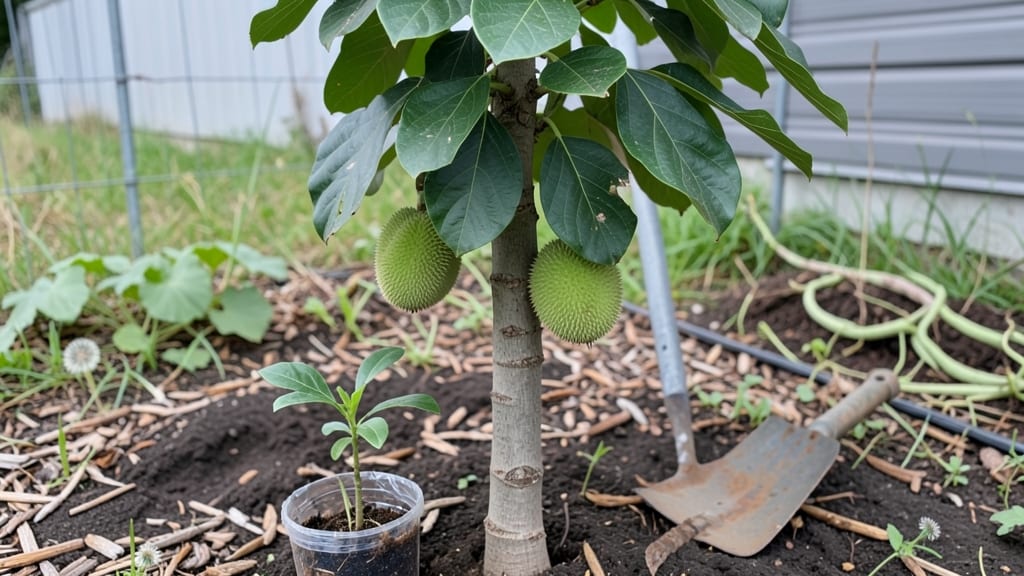
Planting a guanabana tree means tropical fruit harvests right in your own backyard—if you nail the soil, location, and timing. 🌿 I learned the hard way that these trees thrive only in warm climates and need well-draining soil, or they’ll sulk and refuse to fruit.
The key is mimicking their natural rainforest habitat: rich, slightly acidic soil and protection from harsh winds.
You’ll need a young sapling (not a seedling—those take years to bear fruit), a sunny spot with 6+ hours of light daily, and a hole twice as wide as the root ball.
Amend the soil with compost if yours is heavy clay, and mulch heavily to keep roots cool. Guanabanas hate wet feet, so raised beds work beautifully in humid zones.
After planting, water deeply once a week for the first month, then taper to every 10–14 days once established. The first year is all about root growth—no fruit yet, but you’ll see glossy new leaves and maybe even a few small buds by late summer.
That’s your sign the tree’s happy and ready for long-term care.
Common early mistakes? Overwatering (root rot is silent but deadly) and planting too early in spring (wait until night temps stay above 60°F). With patience, your tree could produce fruit in 2–3 years—imagine slicing into that creamy, custard-like flesh right from your yard!
📚 In This Guide
- What you need
- Instructions
- Tips and common mistakes
- Wrapping up and next steps
What you need
- ● Guanabana seeds or saplings: 1-3 seeds (if starting from scratch) or 1 healthy sapling (age 6+ months, 1-2 ft tall)
- ● Well-draining potting mix or soil: 5-10 gallons (for pots) or 1 cubic yard (for in-ground planting)
- ● Mix: 60% garden soil, 20% compost, 20% perlite/sand (for aeration)
- ○ Container (optional but helpful for young plants): 1-2 large pots (12-18 inches in diameter) with drainage holes
- ● Basic gardening tools: 1 trowel or small shovel
- ● 1 pair of gardening gloves
- ● 1 watering can or hose (with gentle spray nozzle)
- ● Fertilizer: Balanced organic fertilizer (10-10-10 or 20-20-20, 1-2 tbsp per plant)
- ○ Optional: Slow-release granular fertilizer for long-term growth
- ● Mulch: 2-3 inches of organic mulch (straw, wood chips, or coconut coir)
- ● Support (for young trees): 1 bamboo stake or small tree guard (4-6 ft tall)
- ● Soft ties (for securing the tree)
- ● Climate: Warm, tropical/subtropical zone (USDA Hardiness Zones 10-11). Guanabana cannot tolerate frost!
- ● Sunlight: Full sun (6+ hours daily) or partial shade (in extreme heat).
- ● Water source: Reliable access to water (guanabana trees love moisture but hate soggy roots).
- ● Space: Mature trees grow 15-25 ft tall and wide—plant 10+ ft from structures or other plants.
- ● Patience: Guanabana trees take 3-5 years to bear fruit! 🍈
Step-by-Step instructions for planting a guanabana tree
Here’s how to get your tropical fruit tree thriving with minimal stress.
🌱 Step 1: Choose the Right Location and Prepare the Soil
Guanabana trees (Annona muricata) demand warmth, humidity, and shelter—they won’t tolerate frost or cold drafts. Pick a spot that gets full sun (6+ hours daily) but with afternoon shade if your climate runs hot. I always test the soil first because guanabana prefers well-draining, slightly acidic soil (pH 5.5-6.5). If your yard is heavy clay, mix in 3 inches of compost and 2 inches of coarse sand to improve drainage.
Dig a hole twice as wide as the root ball but only as deep—planting too deep suffocates roots. Loosen the sides of the hole with a shovel to encourage root spread. Guanabana trees love moisture but hate soggy feet, so if your area floods, raise the planting mound slightly or amend the soil with perlite for better aeration.
🌿 Step 2: Plant the Tree and Water Thoroughly
Gently remove the tree from its container and tease apart any root-bound roots at the edges—this prevents girdling as the tree matures. Place it in the hole so the root flare (where roots meet trunk) sits 1 inch above soil level. Guanabana trees grow 15-20 feet tall, so give it space: plant 10-12 feet from structures, fences, or other trees to avoid root competition.
Backfill the hole with native soil, pressing lightly to remove air pockets but not compacting too firmly. Water deeply (2-3 gallons) right after planting to settle the soil around roots. You’ll know it’s right when water drains freely from the bottom of the hole—no puddles, no dry spots. Mulch the base with 3 inches of wood chips, keeping it 6 inches away from the trunk to prevent rot.
☀️ Step 3: Protect and Maintain for First-Year Growth
Guanabana trees are sensitive to cold, so if your winters dip below 30°F, wrap the trunk in burlap and cover with frost cloth for light protection. I also recommend installing a drip irrigation system to deliver 1-2 inches of water weekly—consistent moisture is key, but avoid overhead watering to prevent fungal diseases like anthracnose.
Fertilize lightly in the first year: use a balanced 10-10-10 fertilizer at half-strength every 6-8 weeks during the growing season (spring through fall). Guanabana trees grow fast, so prune only to remove dead branches or water sprouts—never trim for shape in the first year. You’ll see new leaves emerge within 4-6 weeks if conditions are right; that’s your sign the tree is settling in.
⏰ Step 4: Encourage Fruit Production in Years 2-3
Once your tree is 3-4 feet tall, it’s ready for heavier feeding. Switch to a citrus or fruit-tree fertilizer (high in nitrogen early spring, then balanced 6-6-6 in summer). Guanabana trees produce both male and female flowers on separate plants, so if you’re growing from seed, plant at least 2 trees for pollination. Hand-pollinate by gently brushing flowers with a soft brush if your area lacks natural pollinators.
Fruit forms 6-12 months after planting, but don’t rush—guanabanas need warmth and time. Thin young fruit clusters to 3-4 per branch to avoid overburdening the tree. Harvest when the fruit turns yellow-green and yields slightly to pressure—usually 8-12 months after flowering. Real talk: Patience pays off—your first full crop might take 3-5 years, but it’s worth the wait.
Tips & tricks for planting a guanabana tree
These simple strategies will help your guanabana tree thrive from day one—no green thumb required.
Soil Test Tip: Before planting, grab a soil test kit from your local garden center to confirm your soil's pH level. Guanabana trees prefer slightly acidic soil (pH 5.5-6.5), and adjusting with sulfur or lime can make all the difference. I once planted mine in neutral soil (pH 7) and struggled with poor growth until I fixed this—don't make my mistake! The 3 inches of compost and 2 inches of sand mentioned in Step 1 will help, but testing first gives you the most accurate results.
Root Care Secret: When teasing apart root-bound roots in Step 2, focus on the outer edges where roots are most compacted. Use your fingers to gently separate them—no need to force it. This prevents girdling (roots growing into the trunk) which can strangle your tree as it grows. Think of it like untangling headphones: patience prevents damage.
Watering Wisdom: The 2-3 gallons of water in Step 2 should soak down at least 12 inches into the soil. To check, stick your finger in the hole after watering—if it's dry at 2 inches down, water again. Overwatering is just as bad as underwatering for guanabana trees. A moisture meter is worth the investment if you're unsure.
Cold Protection Hack: If you're in a marginal climate (just above 30°F winters), consider installing a small space heater near the tree during hard freezes. I've used a 1500-watt heater wrapped in burlap for extra protection, creating a microclimate that keeps temps above freezing. Just remember to turn it off during the day when temps rise.
Pro Tips for Plant A Guanabana Tree
- These simple strategies will help your guanabana tree thrive from day one—no green thumb required.
- Soil Test Tip: Before planting, grab a soil test kit from your local garden center to confirm your soil's pH level.
- Root Care Secret: When teasing apart root-bound roots in Step 2, focus on the outer edges where roots are most compacted.
Frequently asked questions
Got questions about growing your own guanabana tree? Here are some of the most common ones—and their answers—to help you succeed!
How long does it take for a guanabana tree to bear fruit?
A guanabana tree typically takes 3 to 5 years to produce fruit from seed, though grafted trees may fruit in 1.5 to 3 years. Patience is key—ensure it gets full sun, consistent water, and well-draining soil to speed up the process. Once established, a healthy tree can yield fruit for decades!
Can I grow a guanabana tree in a pot, or does it need to be planted in the ground?
Yes, you can grow guanabana in a pot for 1-2 years while it’s young, but it thrives best in the ground. Use a large container (at least 20 gallons) with drainage holes, and repot annually with fresh soil. For long-term success, transplant it outdoors once it’s 3-4 feet tall in a warm, tropical climate.
What pests or diseases should I watch out for?
Guanabana trees are generally pest-resistant, but keep an eye out for aphids, mealybugs, or scale insects—wipe them off with soapy water. Overwatering can cause root rot, so ensure well-draining soil. If leaves yellow, it may need more sunlight or less water. Prune damaged branches promptly to keep the tree healthy.
How cold can a guanabana tree tolerate?
Guanabana trees are tropical and thrive in USDA zones 10-12. They can survive brief dips to 30°F (-1°C), but prolonged cold (28°F/-2°C or lower) will damage or kill the tree. If you live in a cooler climate, grow it in a container and bring it indoors during winter.
Can I propagate a guanabana tree from cuttings or do I need to buy seeds?
While seeds are the easiest method, you can try air-layering or grafting for faster results. Cuttings are tricky because guanabana wood roots poorly. If you find a healthy tree, ask the owner for grafted saplings—they’re more reliable and fruit sooner than seed-grown trees.
Wrapping up and next steps
Planting a guanabana tree is a rewarding adventure that brings a taste of the tropics to your backyard! 🌿 With the right soil, sunlight, and patience, you’ll soon enjoy fragrant flowers and delicious fruit. Start small—whether from seeds or a young sapling—and nurture it with care.
Now that you’re ready to grow, take the next step: monitor your tree’s progress and troubleshoot any challenges as they arise. Before you know it, you’ll be harvesting your own guanabana—nature’s sweet reward for your green thumb! 🍈✨