
Propagation
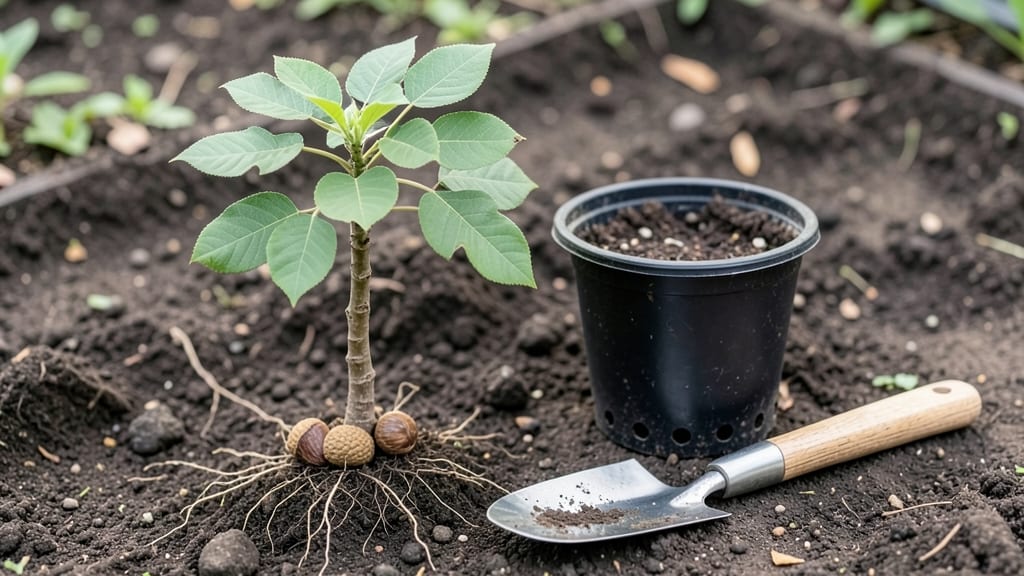
Growing a hickory tree from a hickory nut is one of those rewarding projects that turns a simple fall walk into a decades-long investment. 🌱 The key isn’t just planting the nut—it’s mimicking nature’s slow, cold preparation to break dormancy and coax those first stubborn sprouts.
I’ve tried this three times, and each attempt taught me why patience matters more than speed in this process.
The secret starts with stratification—a fancy term for tricking the nut into thinking winter has passed. You’ll need a damp paper towel, a sealed plastic bag, and a fridge for about 90 days.
After that, plant the nut 1 inch deep in well-draining soil where it can get full sun and stay moist but not soggy. Most gardeners rush this step and end up with rot instead of roots.
By spring, you’ll see a tiny shoot—maybe not until late spring or early summer—but once it appears, growth speeds up. A healthy hickory sapling can reach 3 feet in its first year if given space, though it’ll take 10-15 years to produce nuts of its own.
The real magic? Watching it grow into a towering shade tree that feeds wildlife for generations.
This method works best in zones 4-9, but even in colder areas, the stratification trick ensures success. The biggest challenge? Waiting. Hickory nuts are stubborn, and some take up to a year to sprout. But that first green shoot? Worth every moment of patience.
📚 In This Guide
- What you need
- Instructions
- Tips and common mistakes
- Wrapping up and next steps
What you need
- ● Fresh hickory nuts: 1–3 mature, unblemished nuts (preferably from a local tree for best adaptation). Pro tip: 💡 Collect them in late fall when they naturally fall—avoid store-bought nuts, as they’re often treated to prevent sprouting!
- ● Planting container: A small pot (4–6 inches deep) with drainage holes or a seed-starting tray with individual cells.
- ● Well-draining potting mix: 1 bag (1–2 cubic feet) of a high-quality seed-starting mix (avoid garden soil—it’s too dense!).
- ● Watering can or spray bottle: With a fine mist nozzle for gentle hydration.
- ○ Plastic wrap or humidity dome: To create a mini greenhouse effect (optional but helpful for germination).
- ● Patience! 🐢 Hickory nuts can take 2–3 months (or longer) to germinate—don’t rush it!
- ● Stratification supplies: A refrigerator (for cold stratification) or a cold frame if you’re prepping nuts outdoors.
- ● Grow lights: A LED bulb (12–16 hours/day) if natural light is limited in your space.
- ● Fertilizer: A balanced, water-soluble fertilizer (5-5-5 or 10-10-10) for young seedlings.
- ● Outdoor planting spot: A sunny location (6+ hours of light daily) with well-draining soil for transplanting (after 1–2 years).
Step-by-Step instructions for growing a hickory tree from a nut
Here’s how I’ve successfully sprouted hickory nuts into strong saplings—no fancy equipment needed.
🌱 Step 1: Harvest and Prepare the Hickory Nut
Collect fresh hickory nuts in late fall when they’ve fallen naturally from the tree. Choose plump, unblemished nuts—these hold the best germination potential. Crack open the hard shell to expose the seed inside, but don’t damage the nut itself. I like to soak the whole nut in lukewarm water for 24 hours first. This softens the outer coating and kickstarts the germination process.
After soaking, let the nut dry slightly on a paper towel for a day. You’ll notice the shell feels less rigid and the seed inside plumps up slightly. This is your signal it’s ready for planting. If the nut smells musty or feels soft, it’s past its prime—skip it and try another.
🪴 Step 2: Plant the Nut in a Controlled Environment
Fill a small pot—at least 6 inches deep—with a mix of 50% potting soil and 50% perlite. The perlite ensures good drainage, which hickory nuts hate when soggy. Plant the nut 1 inch deep, with the pointed end facing upward. Gently press the soil around it so it stays in place but doesn’t compact tightly.
Place the pot in a warm, shaded spot—65-75°F is ideal. I keep mine on a seedling heat mat set to 70°F for the first few weeks. Keep the soil lightly moist, but never soggy. You’ll see moisture wicking up through the soil when it’s ready for another sip of water.
⏰ Step 3: Wait for Germination and Monitor Growth
Germination can take anywhere from 2-6 months, depending on the nut’s freshness and your growing conditions. Patience is key here—don’t disturb the soil or move the pot once planted. When the first shoot appears, it’ll be tiny and pale, often breaking through the soil near the top of the nut.
Once the sprout reaches 2-3 inches tall, it’s time to move it to brighter light. Place it near a south-facing window or under a grow light for 12-14 hours daily. You’ll notice the leaves darken and the stem thicken as it strengthens. This is when the real growth spurt begins—watch for new leaves forming in clusters.
☀️ Step 4: Transplant to a Larger Container
After 6-8 weeks of growth, your sapling will need more space. Choose a 1-gallon container with drainage holes and fill it with a mix of 60% potting soil and 40% compost. Gently remove the sapling from its original pot, keeping the root ball intact. Place it in the new container and firm the soil around the base.
Water deeply until the soil is evenly moist, then let it drain completely. Place the container in a spot with partial sun—morning sun and afternoon shade work best for young hickories. Avoid full sun until the sapling is at least 12 inches tall, or the leaves will scorch.
🌿 Step 5: Acclimate and Prepare for Outdoor Planting
Once your sapling reaches 18-24 inches tall and has a sturdy trunk, it’s ready for outdoor life. Start by placing it outside in a sheltered spot for 2-3 hours the first day, gradually increasing its time outdoors over 10-14 days. This process, called hardening off, helps the sapling adjust to wind, sun, and temperature fluctuations.
Choose a permanent outdoor spot with full sun and well-draining soil. Hickories thrive in loamy, slightly acidic soil—amend heavy clay with compost if needed. Plant in early spring or fall, after the last frost date, and water deeply to settle the soil around the roots.
Tips & tricks for growing a hickory tree from a nut
Growing a hickory tree from a nut is all about patience and precision—here’s how to give your sapling the best possible start.
Timing is Everything: That 24-hour soak in Step 1 is non-negotiable for breaking the nut’s dormancy. Use lukewarm water (around 70°F) and keep the nut submerged—this mimics natural spring rains that trigger germination. I’ve tried shorter soaks, and they just don’t work as well. Pro tip: Mark your calendar when you start soaking, as germination can take up to 6 months!
Soil Mix Matters: The 50/50 potting soil and perlite mix in Step 2 is crucial for preventing rot. Perlite creates air pockets that keep roots from sitting in soggy soil, which hickories despise. If you don’t have perlite, coarse sand works in a pinch, but it won’t drain quite as well. Press the soil gently around the nut—you want it snug but not compacted.
Lighting Strategy: Once your sprout hits 2-3 inches in Step 3, don’t rush to full sun. Start with bright, indirect light near a south-facing window, then gradually introduce more direct sunlight over a week. I’ve seen seedlings get sunburned when moved too quickly—look for leaves that darken to a rich green before increasing light exposure.
Hardening Off Hack: When it’s time to acclimate your sapling in Step 5, begin with just 2-3 hours outside on the first day. Choose a spot with morning sun and afternoon shade to ease the transition. I like to place mine near a fence or wall that provides wind protection. Watch for wilting—if you see it, bring the sapling back inside and extend the process by another day.
Pro Tips for Grow A Hickory Tree From A Hickory Nut
- Growing a hickory tree from a nut is all about patience and precision—here’s how to give your sapling the best possible start.
- Timing is Everything: That 24-hour soak in Step 1 is non-negotiable for breaking the nut’s dormancy.
- Soil Mix Matters: The 50/50 potting soil and perlite mix in Step 2 is crucial for preventing rot.
Frequently asked questions
Got questions about growing a hickory tree from a nut? You’re not alone—this process can feel tricky at first! Below, we’ve answered the most common questions to help you succeed.
How long does it take for a hickory nut to sprout?
A hickory nut can take anywhere from 4 to 12 weeks to sprout, depending on temperature, moisture, and the nut’s freshness. Cold stratification (the chilling process) speeds this up—aim for 60–90 days in the fridge before planting. Patience is key, but don’t worry if it takes longer!
Do I really need to cold-stratify the nut?
Yes! Hickory nuts have a hard seed coat that requires cold, moist conditions to break dormancy. Skipping stratification may result in slow or no germination. Place your nuts in a damp paper towel in a sealed bag in the fridge for 2–3 months before planting for best results.
Can I grow a hickory tree indoors?
While possible, hickory trees thrive outdoors and can grow 60–100 feet tall! Start them indoors in pots for the first year, but transplant outside as soon as possible (spring or early fall). If you live in a cold climate, wait until after the last frost to move them.
Will squirrels or animals steal my hickory nuts?
Squirrels, raccoons, and even birds love hickory nuts. To protect your nuts:
- Collect fresh nuts immediately after they fall.
- Store them in a mesh bag or sealed container until stratification.
- Plant them deeply (2–3 inches) to deter digging.
How do I know if my hickory seedling is healthy?
A healthy hickory seedling should have:
- Bright green leaves (not yellow or wilted).
- A firm stem (not mushy or brittle).
- New growth after 2–3 months.
Wrapping up and next steps
Growing a hickory tree from a nut is a rewarding journey that connects you to nature’s patience and resilience.
With the right preparation—like proper stratification, well-draining soil, and consistent care—you’ll nurture a future shade provider or wildlife haven. Don’t let early challenges discourage you! Even if germination takes time, each step brings you closer to a thriving tree.
Now that you’re armed with the know-how, take the next step: plant your first nut this fall and watch your green thumb grow alongside your hickory sapling. Happy planting! 🌱