Size
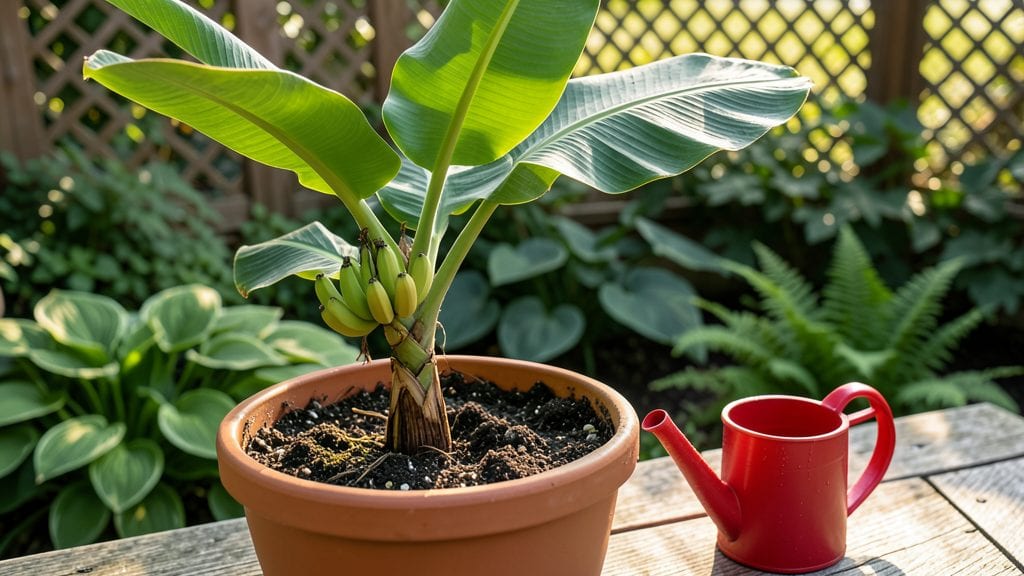
Growing a banana tree in the Pacific Northwest isn’t just possible—it’s a rewarding challenge that turns your garden into a mini tropical escape. 🌿 I’ve watched mine push through the chill of spring and unfurl massive leaves, even here where frost still lingers.
The key is choosing cold-hardy varieties like ‘Dwarf Cavendish’ or ‘Ice Cream’ that can handle our cooler summers, then giving them the right mix of sun, shelter, and TLC.
You’ll need a sunny spot (at least 6 hours of direct light) and well-draining soil—think rich, slightly acidic mix with compost. A 5-gallon container works for young plants, but mature trees need room to spread their roots.
Mulch heavily in winter to protect those tender stems, and you’ll avoid the heartbreak of frost damage. Most importantly, water deeply but let the soil dry slightly between soakings—banana trees hate soggy roots.
By summer, you’ll see those iconic banana-shaped leaves unfurl, and with proper care, even small trees can produce small, sweet fruit by fall. The ornamental value alone makes it worth it—imagine a 10-foot-tall tropical statement plant in your backyard.
And if fruit doesn’t happen, the lush foliage still outshines any ornamental grass. Here’s how to keep yours thriving through our wet winters and cool summers.
This method works for Zone 8-10 gardeners too—just adjust winter protection. Whether you’re growing for fruit or foliage, the payoff is a garden that feels like a vacation. Let’s get your banana tree off to the right start.
📚 In This Guide
- What you need
- Instructions
- Tips and common mistakes
- Wrapping up and next steps
What you need
- ● Banana plant: Choose a Musa acuminata (dessert banana) or Musa balbisiana (plantain) variety. Opt for a hardy cultivar like ‘Ice Cream’ or ‘Dwarf Cavendish’ for cooler climates. Buy a 1-2 gallon potted plant from a nursery or order a bare-root plant in early spring.
- ● Large container or in-ground spot: Container option: A 15-20 gallon pot with drainage holes (minimum 24" diameter). Use lightweight materials like plastic or fabric for easier moving.
- ● In-ground option: A sunny, sheltered microclimate (e.g., near a south-facing wall) with well-draining soil. Amend heavy soil with compost or coconut coir to improve drainage.
- ● High-quality potting mix: A blend of 50% peat or coconut coir, 30% perlite or pumice, and 20% compost for aeration and moisture retention.
- ● Fertilizer: Balanced fertilizer (10-10-10 or 20-20-20): Use 1 tablespoon per gallon of soil every 4-6 weeks during growing season (spring–fall).
- ○ Banana-specific fertilizer (optional): High in potassium and magnesium (e.g., Dr. Earth or Espoma organic banana fertilizer).
- ● Mulch: 3-4 inches of straw or wood chips to retain moisture and regulate soil temperature.
- ● Watering can or hose with gentle nozzle: Banana trees love consistent moisture but hate soggy roots.
- ● Pruners or sharp shears: For trimming dead leaves or overgrowth.
- ● Burlap or frost cloth: To protect young plants from late spring/fall frosts (20°F or lower).
- ● Minimum temperature: Banana trees thrive in USDA Zones 10-11, but Zone 8-9 growers can succeed with container culture and winter protection.
- ● Sunlight: 6+ hours of full sun daily. In the PNW, prioritize south-facing spots or use grow lights for indoor/early-season growth.
- ● Wind protection: Banana trees are top-heavy—plant near a fence, wall, or windbreak to prevent damage.
- ● Humidity: Mimic tropical conditions with regular misting or a humidifier if growing indoors.
- ● Soil moisture meter: Banana trees prefer consistently moist (not waterlogged) soil.
- ● Epsom salt (magnesium sulfate): 1 tablespoon per gallon of water monthly to prevent yellowing leaves.
- ● Trellis or stakes: For supporting heavy fruit (if growing in-ground).
- ● Thermometer: Monitor soil temps—banana roots prefer 70-85°F.
- ● Compost tea: Boosts microbial activity for healthier roots.
Step-by-step instructions for growing a banana tree in cool climates
Here's how I've successfully grown banana trees in chilly zones—with the right tricks.
🌱 Step 1: Select and Prepare a Suitable Banana Plant
Start with a hardy dwarf banana variety like 'Dwarf Cavendish' or 'Ice Cream Banana'—they tolerate cooler temperatures better than tropical types. Buy a potted plant from a nursery (never dig up wild bananas—they rarely survive transplanting). Choose one with multiple pseudostems (the thick, layered stems) for better stability.
Before planting, soak the roots in lukewarm water for 30 minutes to encourage root growth. Gently separate any tightly bound roots with your fingers—this prevents root circling later. If the plant has yellow or damaged leaves, trim them off to redirect energy to root establishment.
🪴 Step 2: Choose the Warmest, Sheltered Spot
Bananas need full sun (at least 6-8 hours daily), but in cooler climates, they also need protection from wind and frost. A south-facing wall, patio, or greenhouse works best. If planting in the ground, select a spot where evening sun lingers—this extends the growing season by keeping roots warmer overnight.
Amend the soil with 3-4 inches of compost mixed into the top 12 inches of soil. Bananas hate soggy roots, so if your soil drains poorly, raise the plant in a large container (at least 18 inches deep and wide). Fill the pot with a mix of 50% potting soil, 30% compost, and 20% perlite for drainage.
☀️ Step 3: Plant and Provide Winter Protection
Dig a hole twice as wide as the root ball but only as deep as the container it came in. Place the plant so the top of the root ball sits level with the soil surface—burying too deep suffocates the stems. Backfill with amended soil and water deeply until it drains from the bottom (if potted) or seeps 6 inches down (if planted in ground).
Mulch heavily with 4-6 inches of straw or wood chips to insulate roots. In zones below 15°F, move potted plants to an unheated garage or shed where temperatures stay above freezing. If left outside, wrap the trunk and leaves in burlap and cover with a clear plastic tarp to trap heat—bananas can survive brief dips to 20°F if dry.
💧 Step 4: Water and Fertilize for Maximum Growth
Water deeply 2-3 times per week during the growing season (spring to fall), aiming for 1-2 gallons per watering for mature plants. Let the top 2 inches of soil dry out between waterings—bananas wilt dramatically when thirsty but bounce back quickly. In containers, water when the soil feels dry 3 inches down.
Feed every 4-6 weeks with a balanced fertilizer (10-10-10 or 20-20-20) mixed at half-strength. Stop fertilizing 8 weeks before the first frost to harden the plant for winter. In spring, add a potassium-rich fertilizer (like 0-10-10) to boost cold tolerance and flower production.
✂️ Step 5: Prune and Overwinter for Next Year’s Harvest
After the first frost, cut back all leaves to 6-12 inches above the ground (or pot rim). This redirects energy to the corm (the thick base), which stores nutrients for regrowth. Leave 2-3 healthy pseudostems—more than that can overcrowd and weaken the plant. If any pseudostems turn black or mushy, remove them completely to prevent rot.
In late winter (when nights stay above 40°F), uncover the plant and resume watering lightly to encourage new growth. You’ll see new shoots emerge from the corm in 4-6 weeks—this is your signal to gradually reintroduce sun and fertilizer. With patience, your banana tree will reward you with fruit in 2-3 years, even in cooler climates!
Tips & tricks for growing a thriving garden banana tree
Growing bananas in cooler climates takes patience and the right approach—here's how to set yourself up for success.
Root Preparation Matters: That 30-minute root soak in Step 1 isn't just about hydration—it's about kickstarting root growth. I like to add a tablespoon of seaweed fertilizer to the water for extra nutrients. After soaking, gently fluff the roots with your fingers to prevent circling, which can strangle your plant as it grows. This simple step makes all the difference in establishing healthy roots.
Sunlight Strategy for Cool Climates: While bananas need 6-8 hours of sun daily, the Pacific Northwest's cooler temperatures mean you need to maximize warmth. Place your tree near a south-facing wall or use reflective surfaces like white fencing to bounce sunlight onto the leaves. If growing in containers, rotate the pot weekly so all sides get even exposure—this prevents lopsided growth.
Winter Protection Hacks: When temperatures drop below 15°F, don't just cover your plant—create a microclimate. I wrap the trunk and leaves in burlap first, then cover with clear plastic. The burlap insulates while the plastic traps heat like a greenhouse. For extra protection, add a layer of straw around the base to shield roots from freezing ground. This combo can keep your banana alive through brief dips to 20°F.
Pruning for Next Year's Growth: That 6-12 inch cutback after frost isn't arbitrary—it's about redirecting energy to the corm. Leave 2-3 healthy pseudostems to maintain structure while allowing the plant to store nutrients. I like to mark the cut line with a pencil before pruning so I know exactly where to trim. This precise approach ensures your banana tree will bounce back stronger in spring.
Pro Tips for Grow A Garden Banana Tree
- Growing bananas in cooler climates takes patience and the right approach—here's how to set yourself up for success.
- Root Preparation Matters: That 30-minute root soak in Step 1 isn't just about hydration—it's about kickstarting root growth.
- Sunlight Strategy for Cool Climates: While bananas need 6-8 hours of sun daily, the Pacific Northwest's cooler temperatures mean you need to maximize warmth.
Frequently asked questions
Got questions about growing a banana tree in your Pacific Northwest garden? You’re not alone! Here are answers to some of the most common concerns—from climate challenges to harvest tips.
Can I really grow a banana tree in the PNW’s cold winters?
Yes, but with care! Most banana trees (like Musa basjoo) are hardy to USDA Zone 7 and can survive winters in the PNW if planted in sheltered, sunny spots (e.g., near south-facing walls). Mulch heavily in fall and wrap the trunk in burlap to protect it from frost. If temps drop below 20°F, move potted trees indoors or cover them with frost cloth.
How long does it take for a banana tree to produce fruit?
Patience is key! A banana tree typically takes 2–5 years to mature and flower, depending on variety and growing conditions. Musa basjoo (the most cold-hardy type) rarely bears edible fruit but produces stunning blooms. For fruit-bearing trees, consider tropical varieties like Musa acuminata—but these need year-round warmth and may require overwintering indoors.
Are the bananas from a garden tree actually edible?
It depends! Musa basjoo bananas are not sweet or tasty (they’re mostly ornamental), but other varieties (like Dwarf Cavendish) can produce small, flavorful fruit if given ideal conditions. For edible harvests, plant in containers so you can move them indoors during winter. Even then, PNW-grown bananas may lack the sweetness of tropical ones—think of them as a fun, homegrown treat!
What’s the best way to protect my banana tree from wind or storms?
Wind can break stems or tear leaves, so stake young trees (use 3–4 bamboo stakes tied loosely to the trunk). For mature trees, prune lower leaves to reduce wind resistance. In storm-prone areas, plant near a fence or hedge for natural windbreaks. If a storm’s coming, secure the tree with ropes or netting to prevent toppling.
What if my banana tree dies over winter—can I regrow it?
Don’t give up! If the trunk blackens but the roots are still alive, cut back dead growth and mulch heavily. New shoots often emerge from the base in spring. For potted trees, check roots before composting—if they’re firm and white, repot and care for them indoors until warm weather returns. Even if the tree dies, save a healthy pseudostem (trunk) to propagate from side shoots!
Wrapping up and next steps
Growing a garden banana tree in the Pacific Northwest is absolutely doable—even if you’re not in a tropical paradise! 🌱 With the right variety, care, and a little patience, you’ll soon be enjoying homegrown bananas (or at least their delicious cousins, like plantains).
Whether you’re a seasoned gardener or a curious beginner, the key is to start small, stay consistent, and embrace the process.
Now that you’re armed with the know-how, take the next step: pick your spot, grab those supplies, and get planting! Before you know it, your backyard could be buzzing with tropical vibes—and maybe even a few edible surprises. Happy growing! 🌿