
Pruning
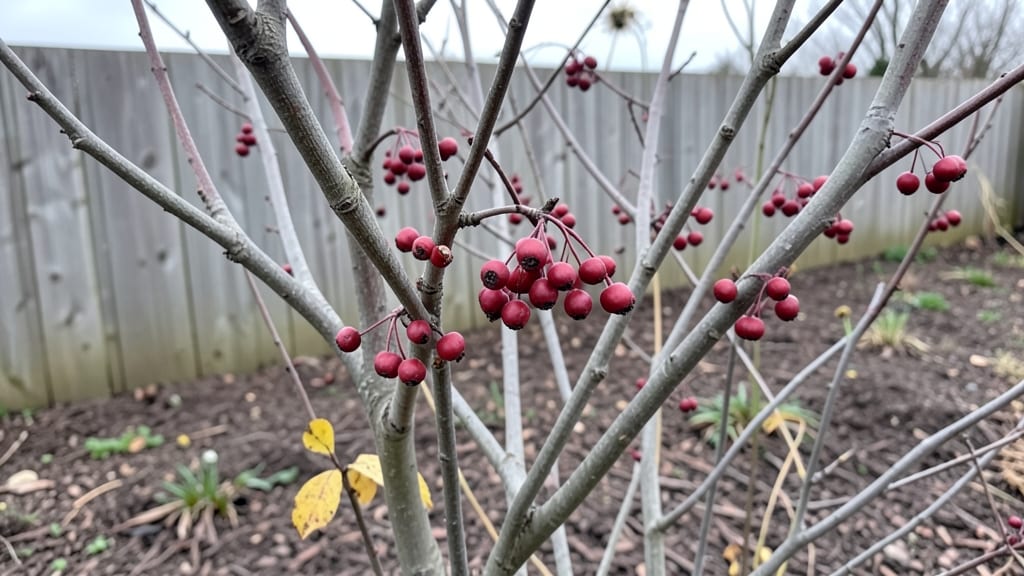
Pruning your GE Winterberry tree transforms it into a year-round crimson spectacle that birds adore and neighbors envy. 🌿 I’ve pruned these trees for winters in Zone 5, and the key isn’t just timing—it’s understanding how to coax the female plants (yes, they’re dioecious) into producing berries that stay vibrant until spring.
The best time to prune is late winter, just before new growth begins. Remove dead or crossing branches first, then thin the canopy to let light reach the inner stems where berries form.
A sharp pair of loppers and pruning shears are all you’ll need—no fancy tools required. The goal is 30-40% open space in the center to prevent disease and encourage fruiting.
What you’ll end up with is a tree that stays lush and berry-laden from December through March, when most landscapes look bare. The berries feed birds through harsh winters, and the bright red clusters create a striking contrast against snow or evergreens.
This isn’t just pruning—it’s winter landscape design in a single plant.
Works equally well in sunny borders, wetland edges, or as a standalone specimen. The same principles apply whether you’re shaping a young tree or revitalizing an older one. Ready to turn your Winterberry into a four-season star?
📚 In This Guide
- What you need
- Instructions
- Tips and common mistakes
- Wrapping up and next steps
What you need
- ● Hand pruners – Sharp, bypass-style (for clean cuts on small branches). 2-3 pairs recommended for efficiency.
- ● Loppers – 8-10 inch reach, for thicker branches (up to 1.5 inches in diameter).
- ○ Pruning saw – Curved blade for stubborn, larger limbs (optional but handy for mature trees).
- ● Gloves – Heavy-duty, cut-resistant (thorns on winterberry can be fierce!).
- ● Disinfectant (70% isopropyl alcohol or pruning sealant) – To sterilize tools between cuts and prevent disease.
- ● 5-gallon bucket or tarp – For collecting pruned branches (compost or mulch them later!).
- ● Measuring tape – 10-foot for assessing branch lengths and spacing.
- ○ Ladder (optional) – Aluminum, 12-16 feet with a stable base if your tree is tall.
- ● Timing: Prune in late winter or early spring (before buds swell) for best results.
- ● Weather: Choose a dry, calm day (avoid rain or wind to prevent sap loss or spread of disease).
- ● Safety gear: Safety glasses (in case of debris) and closed-toe shoes.
- ● Tree health check: Inspect for diseased or dead branches (remove these first—they’re priority!).
- ○ Optional extras: Pruning paint (for sealing large cuts on young trees).
- ● Extension pole pruners (for high branches without a ladder).
- ● Notebook & pen (to sketch a simple pruning plan before you start).
Step-by-step guide to pruning winterberry trees for vibrant crimson berries
Winterberry trees reward precise pruning with stunning berries that last through winter—here’s how to coax the best display.
🌿 Step 1: Time Your Pruning for Optimal Growth
Prune winterberry trees (Ilex verticillata) during late winter or early spring, just as new growth begins but before buds swell. This timing ensures you remove dead wood while leaving healthy stems to produce berries. Avoid pruning in fall—it removes next year’s flower buds, which appear on old wood.
If your tree is overgrown, you can do light pruning in summer to shape it, but focus on removing only the most unruly branches. Winterberry trees respond best to structured annual pruning rather than sporadic trimming. Look for dormant branches—they’ll be brittle and brown, while live stems have smooth, green bark.
✂️ Step 2: Remove Dead, Diseased, or Crossing Branches
Start by cutting out dead or diseased branches at their base, using clean, sharp pruners. These branches drain energy from the tree and can spread disease. Next, remove any branches that cross or rub against each other—they’ll create wounds and weaken the tree over time. Aim for an open canopy that allows sunlight to reach all sides.
Winterberry trees naturally grow in a multi-stemmed shrub form, so avoid removing more than 25% of the foliage in one season. Thin out crowded branches from the center to improve airflow, which reduces fungal issues like powdery mildew. If a branch is larger than 1 inch in diameter, use loppers or a pruning saw to make clean cuts just outside the branch collar.
☀️ Step 3: Shape for Sunlight and Berry Production
Winterberry trees need full sun to partial shade (6+ hours of sunlight daily) to produce abundant berries. Prune to create a rounded, vase-like shape, gradually narrowing the tree as it ascends. This encourages sunlight penetration to lower branches, where berries form. Remove any suckers (shoots growing from the base) unless you want to propagate new plants.
Focus on selective thinning rather than heavy shearing. Cut back overly long branches by one-third to encourage bushier growth. If your tree is female (only females produce berries), avoid pruning too aggressively—stress reduces fruit set. Male trees, which pollinate females, can be pruned more freely but should still retain a balanced shape.
🌱 Step 4: Clean Up and Monitor for Next Season
After pruning, sterilize your tools with rubbing alcohol to prevent spreading disease. Rake up and dispose of debris—never compost diseased branches. Apply a 2-3 inch layer of mulch around the base (but not touching the trunk) to retain moisture and suppress weeds. Winterberry trees thrive in moist, well-drained soil with a pH of 5.0–7.0, so test your soil if berries are sparse.
Watch for new growth in spring—healthy stems will sprout within 4–6 weeks. If berries are sparse, your tree may need fertilizer (use a balanced 10-10-10 in early spring). Female trees require a male pollinator within 50 feet for berries to form, so plant one if you haven’t already. Prune lightly again in summer to maintain shape, but avoid heavy cuts.
Tips & tricks for perfect winterberry tree pruning
Here's what I've learned after years of working with winterberry trees—these details make all the difference in berry production.
Timing is Everything: That late winter to early spring window is critical because it's when the tree is still dormant but about to burst with new growth. I've seen trees with sparse berries because someone pruned too early or too late. Watch for those tiny buds starting to swell—that's your cue. And remember, summer pruning should be minimal—just enough to shape without stressing the tree before winter.
Tool Prep Matters: Sterilizing your pruners with rubbing alcohol between cuts prevents spreading disease from one branch to another. I keep a small bottle of 70% isopropyl alcohol in my tool bag specifically for this purpose. Sharp tools also make cleaner cuts that heal faster—dull blades tear bark and create entry points for pests. Invest in good bypass pruners for branches under 1 inch and loppers for thicker stems.
Canopy Strategy: The open canopy approach isn't just about looks—it's about sunlight penetration to those lower branches where berries form. I like to visualize the tree as a dome when shaping it. Start by removing the lowest branches that are too crowded, then work your way up. This creates that perfect vase shape that lets light reach all the way to the bottom where berries develop. Don't forget to remove suckers from the base unless you're intentionally propagating new plants.
Post-Pruning Care: That 2-3 inch layer of mulch isn't just decorative—it's crucial for moisture retention and weed suppression. I always apply it right after pruning while the soil is still exposed. For trees with sparse berries, I recommend testing your soil pH—winterberries thrive in that 5.0-7.0 range. If your soil is too alkaline, you might need to amend it with sulfur or peat moss to encourage better berry production next season.
Pro Tips for Ge Winterberry Tree
- Here's what I've learned after years of working with winterberry trees—these details make all the difference in berry production.
- Timing is Everything: That late winter to early spring window is critical because it's when the tree is still dormant but about to burst with new growth.
- Tool Prep Matters: Sterilizing your pruners with rubbing alcohol between cuts prevents spreading disease from one branch to another.
Frequently asked questions
When is the best time to prune a Winterberry tree?
The ideal time to prune is late winter or early spring (before new growth begins). This helps shape the tree while avoiding stress during berry production. Avoid pruning in fall—it can interfere with fruit development for next year’s display! For heavy pruning, do it in stages over 2–3 years to prevent shock.
How much can I trim back a mature Winterberry tree?
You can safely remove up to 30% of the tree’s foliage in one season, but avoid cutting more than that. For dramatic shaping, spread pruning over multiple years. Focus on removing dead, diseased, or crossing branches first. Pro tip: Use sharp bypass pruners for clean cuts—dull tools crush stems, slowing healing.
Why aren’t my Winterberry berries turning red?
Red berries only appear on female trees and require pollination from male trees (or a single male nearby). If berries stay green or drop early, check for:
- A male pollinator within 30–50 feet
- Proper sunlight (6+ hours/day)
- Adequate water (especially during fruit set)
- No pest damage (e.g., scale insects or spider mites)
If all else fails, test soil pH—Winterberries prefer acidic soil (pH 5.0–6.5). Amend with sulfur if needed.
Can I grow Winterberry in containers or small spaces?
Yes! Dwarf cultivars like ‘Winter Red’ or ‘Southern Gentleman’ thrive in large containers (15+ gallons). Use well-draining soil and a pot with drainage holes. Key tips:
- Move containers to partial shade in summer to prevent stress.
- Fertilize lightly in spring with an acidic fertilizer (e.g., 8-3-9).
- Prune annually to control size—container roots can’t expand.
Wrapping up and next steps
Transforming your GE Winterberry Tree into a stunning, berry-filled centerpiece is all about timing, technique, and a little patience! 🌿 With the right tools and a clear understanding of when and how to prune, you’ll enjoy vibrant red berries year-round—adding color and life to your garden or holiday decor.
Whether you’re a pruning pro or just starting, these steps make it simple and rewarding.
Ready to take the next step? Mark your calendar for late winter or early spring—this is your cue to grab those shears and give your tree the care it deserves. Happy pruning, and may your Winterberry Tree shine brighter than ever! 🎄✨