
Pruning
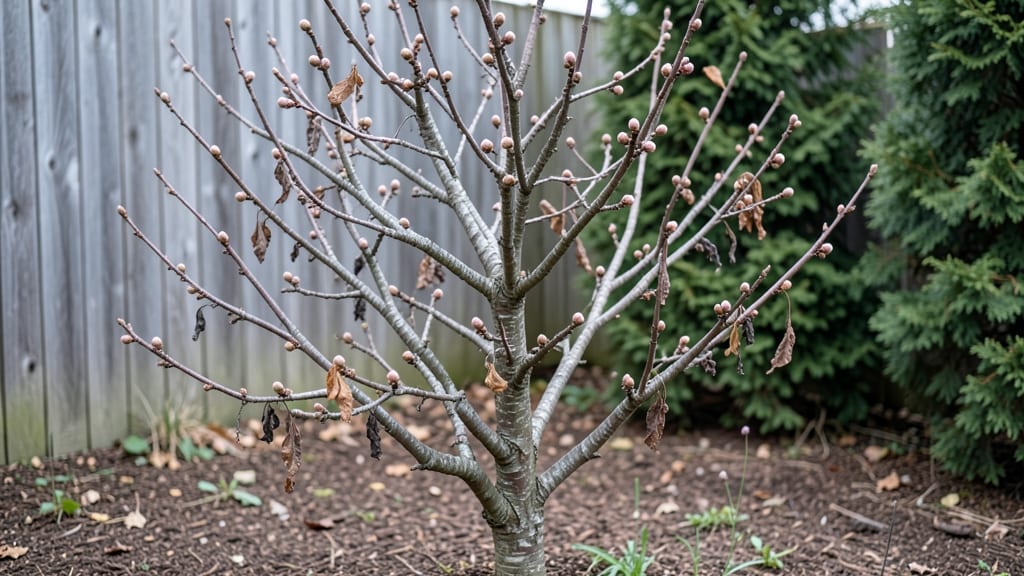
Winter pruning your crabapple tree isn’t just about shaping branches—it’s about setting your tree up to fight frost like a champ. ✨ I’ve seen firsthand how a little attention in the dormant season can turn a scraggly tree into a strong, disease-resistant powerhouse by spring.
The key is timing, technique, and knowing what to cut (and what to leave alone) before the sap starts flowing again.
You’ll need sharp pruning shears, a ladder (if your tree’s tall), and a disinfectant to prevent spreading disease between cuts. The best time to prune is late winter, just as buds begin to swell but before new growth starts—usually February or early March in most cold climates.
This timing helps the tree heal faster and avoids inviting pests or fungal infections.
What you’ll end up with is a tree that looks neater, grows fuller, and resists winter damage better than ever. Those frost-bitten branches? Gone. The weak, crossing limbs that rub together?
Trimmed away. By spring, you’ll see fresh, vibrant growth where you least expected it—and fewer apples lost to frost damage.
The same approach works for young trees or mature specimens, though older trees might need a little extra love with mulch to protect roots from freezing.
Whether you’re in Zone 4 or Zone 7, these steps keep your crabapple thriving through the coldest months—and ready to burst into bloom come spring.
📚 In This Guide
- What you need
- Instructions
- Tips and common mistakes
- Wrapping up and next steps
What you need
- ● Pruning shears: Sharp, bypass pruners (for cuts up to ½ inch in diameter). Example: Felco F-2 or Corona Classic.
- ● Loppers: For branches ½ to 1½ inches thick. Example: Fiskars Steel Loppers.
- ● Pruning saw: Curved-tooth saw for thicker branches (1½+ inches). Example: Bahco Ergonomic Pruning Saw.
- ● Gloves: Heavy-duty, cut-resistant gloves (e.g., Mechanix Wear or garden-specific brands).
- ○ Ladder (optional): Extendable aluminum ladder (16–24 ft) for tall trees. Safety tip: Use stabilizers!
- ● Disinfectant: 70% isopropyl alcohol or Pruning sealant (e.g., Tanglefoot Tree Wound Pruning Seal) to prevent disease spread.
- ● Heavy-duty trash bags: 30–50 gallon capacity for debris cleanup.
- ● Rake or leaf blower: For clearing fallen branches and leaves post-pruning.
- ● Weather check: Prune on a dry, frost-free day (ideal temps: 40–60°F). Avoid icy or windy conditions!
- ● Tree assessment: Identify dead, diseased, or crossing branches before starting. Pro tip: Look for brown bark or fungal growth.
- ● First aid kit: Bandages and antiseptic wipes (for minor cuts—safety first!).
- ● Water: A hose or bucket to rinse tools and clean up sap spills.
- ● Tree wound paint: (e.g., Ortho Tree Seal)—controversial but some swear by it for large cuts.
- ● Marking twine: Colored twine to tag branches for removal (useful for complex pruning).
- ● Work boots: With ankle support for stability on uneven ground.
- ● Sunscreen & hat: If pruning on a sunny winter day (yes, UV rays still matter!).
Step-by-Step guide for winter pruning crabapple trees
Winter’s the perfect time to shape crabapple trees—when they’re dormant but still strong enough to handle cuts.
✂️ Step 1: Assess the Tree’s Structure Before Pruning
Start by examining the tree’s framework while it’s bare. Look for dead, diseased, or crossing branches—these are your top priorities. I always scan from the ground up, using a sketch pad to map out the tree’s shape and mark branches to remove. This prevents over-pruning and ensures you maintain the tree’s natural form.
Check for water sprouts (fast-growing, vertical shoots) and suckers (shoots from the base). These compete with fruit production and should be cut at the base. Use a sharp pruning saw for branches thicker than ½ inch—dull tools tear bark, inviting pests and disease. If a branch is dead but still attached, it’ll snap off in storms, so remove it now.
✂️ Step 2: Remove Dead, Diseased, and Weak Branches First
Begin with deadwood—branches that snap easily or have no bark. Cut these back to the branch collar (the swollen area where the branch meets the trunk). Avoid leaving stubs, as they trap moisture and rot. For diseased branches, sterilize your tools with rubbing alcohol between cuts to prevent spreading pathogens.
Next, tackle weak or crossing branches. If two branches rub together, one must go—remove the smaller or weaker of the pair. Always cut just outside the branch collar at a 45-degree angle. This encourages proper healing and prevents water from pooling at the cut. Watch for sucker growth at the base; these sap-sucking shoots drain energy from fruit production.
✂️ Step 3: Thin the Canopy for Better Airflow and Light
Step back and visualize the tree’s ideal shape—a balanced, open canopy. Remove upward-growing branches that crowd the center, as they block sunlight and airflow, promoting fungal diseases. Aim to reduce the canopy by no more than 25% in one season to avoid stressing the tree.
Use hand pruners for branches up to ¾ inch thick, and a pruning saw for larger cuts. Make cuts just outside the branch collar, and avoid leaving stubs or tear-outs. If a branch is too large to cut cleanly, make a notch on the underside first to guide the saw. After thinning, the tree should look open and airy, with light penetrating to the inner branches.
⏰ Step 4: Clean Up and Apply Protective Measures
Rake up and dispose of all pruned material—never leave it under the tree, as it can harbor pests and diseases. Sterilize your tools again with rubbing alcohol or a 10% bleach solution to prevent cross-contamination. If you notice sawdust-like frass (insect droppings) on the ground, inspect the tree for borers or scale before proceeding.
Apply a wound sealant (like pruning paste) only to large cuts over 2 inches—smaller wounds heal faster on their own. For extra protection, wrap the trunk with tree wrap if your climate has freeze-thaw cycles, as this prevents sunscald. Water the base deeply after pruning to help the tree recover, but avoid overwatering—soggy soil in winter can suffocate roots.
🌱 Step 5: Monitor and Plan for Spring Growth
After pruning, keep an eye on the tree’s new growth buds in early spring. Healthy buds should be plump and brown, not shriveled or oozing sap. If you see blackened or mushy buds, it’s a sign of bacterial infection, and you’ll need to treat with copper fungicide before buds swell.
Take notes on which branches you removed—this helps track the tree’s response over time. If you pruned too aggressively, you might see reduced flowering next season, so next winter, aim for smaller cuts. A well-pruned crabapple will reward you with stronger branches, better fruit set, and a neater silhouette—worth the effort!
Tips & tricks for perfect winter pruning of crabapple trees
Winter pruning transforms your crabapple tree into a stronger, more resilient specimen—but only if you follow these key strategies.
Precision Cutting Technique: When you make cuts in Step 2 and Step 3, always aim for the branch collar (that swollen area where the branch meets the trunk) rather than leaving a stub. I learned this the hard way after seeing stubs rot and invite pests. For branches thicker than ½ inch, make a notch on the underside first to guide your saw—this prevents tearing the bark. The cleaner the cut, the faster the tree heals and the stronger the new growth will be next spring.
Tool Sterilization: Between cuts, especially when dealing with diseased branches in Step 2, sterilize your tools with rubbing alcohol or a 10% bleach solution. I keep a small spray bottle of 70% isopropyl alcohol in my pruning kit for quick cleanups. This simple step prevents spreading pathogens that could infect healthy branches. Don't skip it—diseases like fire blight can turn a healthy tree into a lost cause.
Canopy Thinning Strategy: In Step 3, when visualizing your tree's ideal shape, focus on removing upward-growing branches that crowd the center. These branches block sunlight and airflow, creating perfect conditions for fungal diseases. I use the 25% rule—never remove more than 25% of the canopy in one season. This prevents stressing the tree, which is especially important for young crabapples still establishing their root systems.
Post-Pruning Care: After completing all steps, give your tree a deep watering to help it recover, but avoid soggy soil—this can suffocate roots during winter. In climates with freeze-thaw cycles, wrap the trunk with tree wrap to prevent sunscald. I've seen trees develop sunburned bark where winter sun hits exposed areas after pruning. This protective measure makes all the difference in harsh winters.
Pro Tips for Crabapple Tree Winter
- Winter pruning transforms your crabapple tree into a stronger, more resilient specimen—but only if you follow these key strategies.
- Precision Cutting Technique: When you make cuts in Step 2 and Step 3, always aim for the branch collar (that swollen area where the branch meets the trunk) rather than leaving a stub.
- Tool Sterilization: Between cuts, especially when dealing with diseased branches in Step 2, sterilize your tools with rubbing alcohol or a 10% bleach solution.
Frequently asked questions
Got questions about winter pruning for your crabapple tree? Here are some of the most common concerns—and the answers you need to keep your tree thriving!
When is the best time to prune a crabapple tree in winter?
The ideal window is late winter (February–March), after the worst frosts but before buds swell. This timing minimizes stress, reduces disease risk, and lets the tree heal before spring growth. Avoid pruning in extreme cold or during active growth phases.
Will pruning in winter harm my crabapple tree?
Not if done correctly! Winter pruning is safer than summer cuts because dormant trees are less vulnerable to pests/diseases. Just avoid heavy pruning—stick to removing dead, crossing, or weak branches (up to 25% of the canopy). Over-pruning can stress frost-sensitive crabapples.
How do I know which branches to cut back?
Look for:
- Dead/dying branches (no leaves, cracked bark).
- Crossing or rubbing branches (they’ll damage each other).
- Water sprouts (fast-growing, vertical shoots).
- Low-hanging limbs (blocking walkways or gutters).
Can I prune a young crabapple tree in winter?
Yes! Young trees (under 5 years) benefit from light structural pruning in winter to establish strong branches. Focus on:
- Removing competing leader branches (keep one central leader).
- Thinning overcrowded growth at the base.
- Avoiding topping (cuts above lateral branches).
What if my crabapple tree has frost cracks after pruning?
Frost cracks (vertical splits in bark) are common in winter but not always pruning-related. If they appear:
- Wait until spring to prune near cracks (sterilize tools with rubbing alcohol).
- Apply pruning sealant (optional) to large wounds > ½ inch.
- Monitor for oozing sap or fungal growth—these may need fungicide.
Wrapping up and next steps
Winter is the perfect time to give your crabapple tree the care it deserves—pruning now sets the stage for vibrant blooms and robust growth come spring! 🌿 With the right tools, timing, and techniques, you’re not just trimming branches—you’re strengthening your tree’s resilience against frost and pests.
Whether you’re a seasoned gardener or just starting out, every snip is a step toward a healthier, more beautiful tree.
Ready to roll up your sleeves? Grab your pruners, review your notes, and get pruning! Your crabapple tree will thank you with show-stopping flowers and lush foliage all season long. 🌸