
Pruning
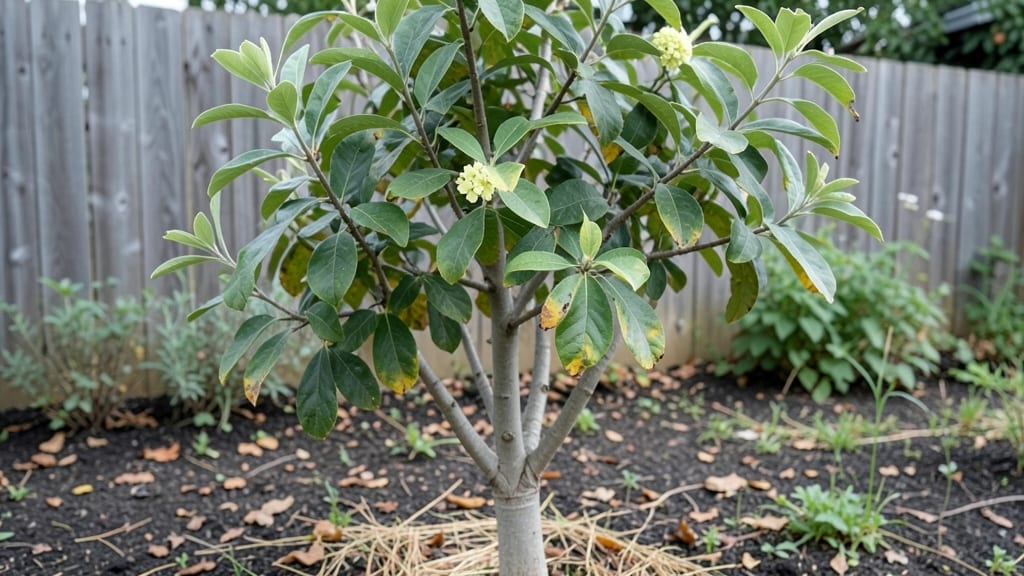
Growing a chocolate persimmon tree means harvesting sweet, custard-like fruit that tastes like dessert—no frost damage in sight. 🌱 I planted mine last spring, and now it’s thriving in my zone 6 garden, proving this native tree handles winter better than most.
The key? Smart pruning to keep it healthy and productive year-round, even when temperatures drop.
This tree loves full sun and well-draining soil, but it’s tough enough to handle drought once established. Water deeply once a week during dry spells, and avoid soggy roots—chocolate persimmons hate wet feet.
Pruning in late winter or early spring opens up the canopy, letting sunlight reach all the fruit-bearing branches and preventing frost from damaging tender growth.
By summer, you’ll see glossy leaves and clusters of small, green fruits ripening to a deep amber. The flavor? Rich, almost chocolatey—hence the name. With the right cuts, your tree will produce fruit reliably for decades, making it a low-maintenance investment for any yard or orchard.
Works in zones 4 through 9, so whether you’re in a cold climate or a warm one, this tree adapts. Just remember: patience is key—it takes 3 to 5 years for a young tree to bear fruit, but once it does, you’ll never want to prune again!
📚 In This Guide
- What you need
- Instructions
- Tips and common mistakes
- Wrapping up and next steps
What you need
- ● Pruning shears: Bypass pruners (sharp, clean, and sterilized—think Felco F-2 or Gonicc T-303S for precision).
- ● Loppers: For thicker branches (1–2 inches in diameter), opt for bypass loppers like the Fiskars X27.
- ● Hand saw: A pruning saw (e.g., Bahco Ergo) for stubborn, larger limbs.
- ● Rubbing alcohol (70% isopropyl): 1 small bottle to sterilize tools between cuts.
- ● Disposable gloves: 1–2 pairs (nitrile or leather) to protect hands from sap and thorns.
- ● Heavy-duty trash bags: 2–3 bags (13-gallon size) for collecting pruned branches.
- ● Ladder or step stool: A sturdy, stable option (e.g., Little Giant ladder) if your tree exceeds 6 feet.
- ○ Permanent marker: 1 for labeling cuts (optional but helpful for tracking growth).
- ● Tree wound paint: (e.g., Tanglefoot Tree Seal) – only use sparingly if cuts are large (½ inch or wider).
- ● Pruning sealant: For disease-prone areas (e.g., Ortho Fruit Tree Sealant).
- ● Work gloves with grip: For extra comfort during long sessions.
- ● Safety glasses: To shield eyes from debris.
- ● Notebook & pen: To jot down pruning notes or sketch your tree’s structure.
Step-by-step guide to pruning your chocolate persimmon tree
Here's how I keep my chocolate persimmon thriving through every season—so you can enjoy fruit year-round.
✂️ Step 1: Prune in Late Winter Before Bud Break
Start your pruning 4-6 weeks before your last frost date, when the tree is still dormant but the ground isn't frozen. I look for bare branches with no leaves or buds—these are the first to go. Use clean, sharp pruning shears to make cuts just outside the branch collar, the swollen area where the branch meets the trunk. This prevents unsightly stubs and promotes faster healing.
Remove any dead, diseased, or crossing branches first. These compete for energy and can harbor pests. I always prune on a dry day—wet wood splits more easily, and you don’t want to risk tearing the bark. If you see any mushroom-like growths or oozing sap, that’s a sign of infection, and you’ll need to sterilize your tools with rubbing alcohol between cuts.
☀️ Step 2: Thin Out Interior Branches for Better Light Penetration
Next, focus on the tree’s interior branches—the ones growing toward the center. These rarely get sunlight and produce poor-quality fruit. I aim to create an open vase shape by removing 20-30% of the interior growth. Look for branches that are growing straight up or rubbing against others; these are prime candidates for removal. You’ll know you’re doing it right when you can see light filtering through to the center of the tree.
Don’t worry about leaving a few small branches—chocolate persimmons are forgiving. Just avoid cutting back more than one-third of the tree’s total branches in a single season. If you’re unsure, take a step back and imagine sunlight streaming in from all sides. That’s your goal: a tree that looks like it’s basking in morning light, even in winter.
🌱 Step 3: Shape the Outer Canopy for Frost Resistance
Now, shape the outer canopy to encourage strong, sturdy growth. I focus on the outermost branches, cutting back any that are too long, weak, or growing at sharp angles. These are more likely to break under snow or ice. Make your cuts just above a bud that faces outward—this encourages the tree to grow in a rounded, sturdy shape that can better withstand winter weight.
Pay special attention to the top of the tree. If it’s too dense, it can trap cold air and damage fruit buds. Thin it out so light and air can circulate freely. You’ll see the difference in spring when the tree bursts into leaf with none of the brown, frost-bitten patches that plague poorly pruned trees.
⏰ Step 4: Summer Pruning to Encourage Fruit Production
About 6-8 weeks after flowering, do a light summer pruning to redirect the tree’s energy toward fruit production. Remove any suckers—those vigorous shoots growing from the base or along the trunk. These drain energy from the main tree. Also, trim back any branches that are growing too vigorously and shading out the lower fruit. You want a balanced tree where sunlight reaches every branch.
This is also the time to deadhead spent flowers if you notice any. While chocolate persimmons are self-pollinating, removing old blooms can encourage new growth and more fruit. Just be gentle—you don’t want to disturb the developing fruit. A quick glance at the tree will tell you what needs attention: any branch with more leaves than fruit is a candidate for a light trim.
Tips & tricks for perfect chocolate persimmon tree pruning
Pruning your chocolate persimmon tree right can mean the difference between a bounty of fruit and a struggling tree. Here's what I've learned after years of perfecting this process.
Timing is Everything: The 4-6 week window before your last frost date is critical because it allows the tree to heal before spring growth begins. I check my local frost date calendar and mark the window in my gardening journal—this prevents me from accidentally pruning too early when the tree is still vulnerable to late frosts. If you're unsure about your frost date, contact your local cooperative extension office for precise data.
Tool Prep Prevents Problems: Always sterilize your pruning shears with rubbing alcohol between cuts, especially when dealing with infected branches. I keep a small bottle of 70% isopropyl alcohol in my gardening toolkit and wipe down tools after every 3-4 cuts. Sharp tools make cleaner cuts that heal faster, so I sharpen my shears annually or when I notice resistance while cutting. This simple step prevents disease spread and promotes faster healing.
Visualize Your Tree's Future: When thinning interior branches, step back frequently and imagine sunlight streaming through the center. I find it helpful to sketch a rough diagram of my tree's shape before I start cutting. This mental exercise ensures I'm creating that open vase shape that's perfect for chocolate persimmons. Remember, you're aiming for 20-30% reduction of interior growth—not more, not less.
Seasonal Pruning Strategy: The summer pruning 6-8 weeks after flowering deserves special attention. This is when you redirect the tree's energy toward fruit production rather than just foliage. I make a point to remove any suckers immediately—they're like little energy vampires that drain resources from your fruit-bearing branches. A quick once-over of your tree during this period can dramatically increase your harvest next season.
Pro Tips for Chocolate Persimmon Tree
- Pruning your chocolate persimmon tree right can mean the difference between a bounty of fruit and a struggling tree.
- Timing is Everything: The 4-6 week window before your last frost date is critical because it allows the tree to heal before spring growth begins.
- Tool Prep Prevents Problems: Always sterilize your pruning shears with rubbing alcohol between cuts, especially when dealing with infected branches.
Frequently asked questions
Got questions about growing and pruning your chocolate persimmon tree? You’re not alone! Here are some of the most common queries—plus straightforward answers to keep your tree thriving and fruiting year-round.
When is the best time to prune a chocolate persimmon tree?
Prune your chocolate persimmon tree during late winter or early spring (before buds break) to avoid stressing the tree. Light pruning can also be done in summer to shape the tree or remove dead branches, but avoid heavy cuts. Frost-resistant varieties like this one benefit from minimal winter pruning—focus on removing dead or crossing branches and opening the canopy for airflow.
Why isn’t my chocolate persimmon tree producing fruit?
Several factors could be at play: age (young trees <3–5 years may not fruit yet), pruning too aggressively (which stresses the tree), or lack of pollination (though chocolate persimmons are self-pollinating, poor weather can affect fruit set). Check for healthy blooms in spring—if flowers drop without fruiting, reduce pruning and ensure the tree gets full sun (6+ hours/day) and well-draining soil.
Can chocolate persimmons survive heavy frost?
Yes! This tree is highly frost-resistant (down to -15°F/-26°C with proper care), but young trees or newly planted saplings may need protection during extreme cold snaps. Mulch the base with 3–4 inches of organic matter (straw or wood chips) and wrap the trunk with burlap if temps drop below -10°F/-23°C. Prune lightly in late winter to avoid exposing tender growth to frost.
What can I do if my chocolate persimmon tree has yellow leaves?
Yellow leaves usually signal overwatering, nutrient deficiency, or fungal issues. Check the soil—chocolate persimmons prefer slightly acidic, well-draining soil. If the ground is soggy, reduce watering and improve drainage. For yellowing between veins, it could be iron deficiency—apply chelated iron or compost. Fungal issues (like powdery mildew) may require neem oil spray or pruning affected branches for airflow.
Are there alternatives to chocolate persimmons for cold climates?
If you love the frost-resistant, low-maintenance appeal of chocolate persimmons but want variety, consider:
- American persimmon (Diospyros virginiana) – Native, drought-tolerant, and edible (though astringent until ripe).
- Hardy kiwi (Actinidia arguta) – Cold-hardy to -25°F/-32°C, with sweet, edible fruit.
- Serviceberry (Amelanchier spp.) – Produces berries in spring and stunning fall color.
- Jostaberry (a blackberry-gooseberry hybrid) – Thrives in cold zones and is highly productive.
Wrapping up and next steps
Growing a chocolate persimmon tree is a rewarding journey that combines resilience with delicious results! With its frost-resistant nature and year-round fruit potential, this tree is perfect for gardeners eager to expand their harvest.
Remember, pruning in late winter or early spring sets the stage for a thriving tree—so grab those shears and get ready to nurture your future fruit bounty.
Ready to take the next step? Start small—plant a sapling or graft your own—and watch your garden transform. Happy growing! 🌱🍫