Trees
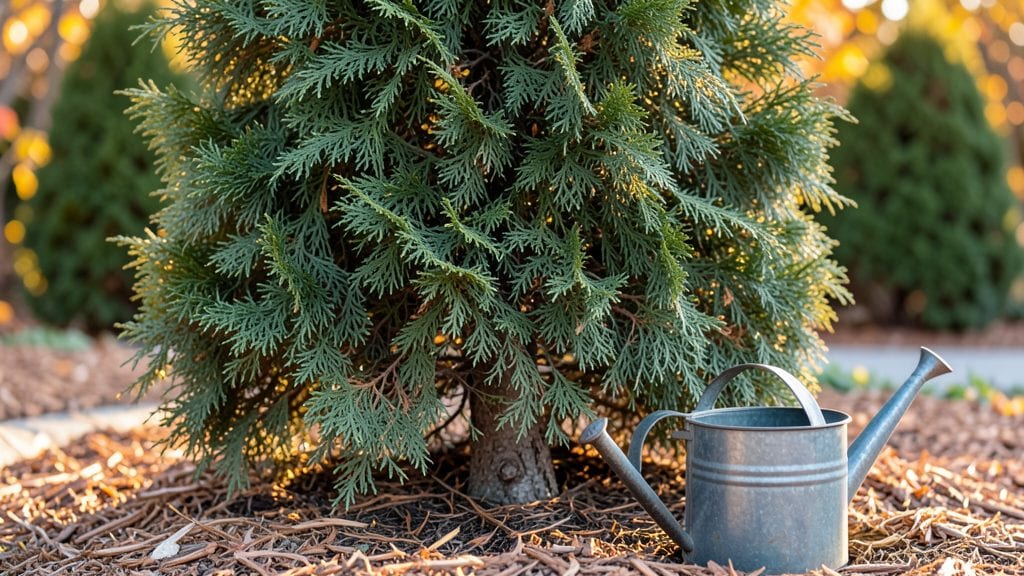
Caring for arborvitae trees means enjoying their lush green screens with almost no fuss—once you know the few key rules. 🌿 I’ve watched my own arborvitae hedge go from scraggly to perfectly manicured in just two seasons, and the secret isn’t complicated: consistent watering, strategic pruning, and a little seasonal TLC.
These trees are tougher than they look, handling everything from city pollution to suburban yards, but even the hardiest arborvitae will reward you when you give it these basics.
The biggest mistake I see beginners make is overwatering or underwatering—both kill arborvitae faster than pests ever could. Newly planted trees need deep watering once a week (about 15 gallons) for the first year, while established trees only need watering during droughts.
Mulch helps retain moisture, but keep it 3 inches away from the trunk to avoid rot. And here’s the thing—arborvitae hate soggy roots, so raised beds or well-draining soil make all the difference in heavy clay areas.
By summer’s end, your arborvitae will stand tall with dense, vibrant foliage that never needs shearing to stay neat. The real magic happens in late winter when you prune—just shape lightly to remove dead branches and encourage fullness.
With this approach, you’ll skip the brown patches, the sparse growth, and the constant battle against pests. Think of it as a low-maintenance hedge that actually gets better every year.
Works for sun or shade, urban or rural, and even in pots if you keep the roots cool. The only real rule is consistency—skip the guesswork, and your arborvitae will thrive with almost no effort. Let’s get those trees looking their best without the headache.
📚 In This Guide
- What you need
- Instructions
- Tips and common mistakes
- Wrapping up and next steps
What you need
- ● Gloves (heavy-duty): 1 pair (to protect your hands from thorns and rough bark).
- ● Pruning shears: Bypass-type (for clean cuts), 1 pair (sharp blades, 6–8" length).
- ● Loppers: Bypass or anvil type (for thicker branches), 1 pair (8–12" cutting capacity).
- ● Hose with adjustable nozzle: For deep watering (💡 Pro tip: A soaker hose saves time and water!).
- ● Mulch (organic): Shredded bark or pine straw, 2–3 inches (spread evenly in a 2–3 ft radius around the base).
- ● Fertilizer (slow-release): Balanced 10-10-10 or arborvitae-specific, 1–2 lbs per tree (spring application).
- ○ Tree stake (optional): For young saplings, 1–2 stakes (5–6 ft tall, if needed for support).
- ● Tree tie or soft strap: To secure young trees to stakes (if using).
- ● Fungicide (copper-based): For preventative care against diseases like canker (apply in early spring).
- ● Soil pH tester: To check acidity (arborvitae thrive in pH 6.0–7.0).
- ● Leaf blower or rake: For cleaning up debris around the base (keeps pests away!).
- ● Reflective tape or flags: To mark utility lines before digging (safety first!).
Step-by-Step guide to arborvitae tree maintenance
Here's how I keep these evergreens thriving with simple, seasonal care.
🌿 Step 1: Water Deeply During Establishment and Drought
Arborvitae need 1-1.5 inches of water weekly during their first two years to establish deep roots. After that, they're drought-tolerant but still appreciate deep watering every 2-3 weeks when rainfall is scarce. I check soil moisture by pushing a screwdriver 6 inches deep—if it comes out dry, it's time to water.
Water at the base, avoiding wetting the foliage to prevent fungal diseases like needle blight. Early morning is ideal—water evaporates before evening dampness encourages rot. You'll know you're doing it right when the top 6 inches of soil stays consistently moist but not soggy.
☀️ Step 2: Provide Proper Sunlight and Shelter
Most arborvitae varieties thrive in full sun to partial shade (6+ hours of direct light daily). Plant them where they'll receive morning sun and afternoon shade in hot climates to prevent needle scorch. I always site mine where they're protected from harsh afternoon winds that can dry out foliage.
If your tree develops brown, crispy needles on the south or west side, it's getting too much sun. Move it slightly into shade or provide afternoon shade cloth. Conversely, if growth is sparse and leggy, it needs more light—arborvitae won't grow well in deep shade.
✂️ Step 3: Prune Strategically in Late Winter or Early Spring
Prune 2-3 times per year: once in late winter (before new growth starts), once after flowering, and lightly in summer if needed. Always use clean, sharp pruners to make 45-degree cuts just above a healthy bud. Never remove more than 25% of the tree's foliage in one season.
Focus on shaping rather than thinning—arborvitae grow in dense, layered branches. Remove only dead, diseased, or crossing branches. You'll see immediate improvement in the tree's density and health after proper pruning. Avoid "shearing" or cutting into old wood, as arborvitae won't regrow from those cuts.
🪴 Step 4: Fertilize Lightly in Early Spring
Arborvitae typically don't need fertilizer if planted in well-draining soil. However, if growth is slow or yellowing appears, apply a balanced, slow-release fertilizer (10-10-10 or similar) in early spring. Spread it evenly under the tree's drip line, avoiding direct contact with the trunk.
Over-fertilizing causes more harm than good—burned roots can't absorb water properly. I use about ½ pound of fertilizer per inch of trunk diameter. Water thoroughly after applying to help distribute nutrients into the soil. You'll notice healthier, darker green foliage within a growing season if fertilization was needed.
⏰ Step 5: Protect During Winter and Monitor for Pests
Young arborvitae benefit from winter mulch (2-3 inches of shredded bark) around the base to protect roots from freezing. In windy areas, consider wrapping the trunk with burlap to prevent winter burn. Mature trees usually handle winter well but may develop brown needles if exposed to drying winds.
Watch for spider mites (tiny webs on needles) and bagworms (small bags hanging from branches). Treat infestations immediately with horticultural oil or insecticidal soap. Regularly inspect both sides of the foliage—pests often start on the undersides before becoming visible.
Tips & tricks for perfect arborvitae tree maintenance
These simple yet game-changing tips will help your arborvitae thrive with minimal effort—no green thumb required.
Soil Moisture Test: The screwdriver test in Step 1 is foolproof, but here's the pro move: use a soil moisture meter for precision. I've found that arborvitae roots actually prefer the soil to stay slightly drier than most plants—just moist to the touch, not soggy. This prevents root rot while still providing the 1-1.5 inches of water weekly during establishment.
Sunlight Adjustments: In Step 2, if your tree shows signs of sun stress (crispy needles), don't just move it—create a gradual transition. Place shade cloth over the sunniest side for a few hours each day, then slowly increase exposure. Arborvitae can't handle sudden shade changes either, so adjust over 2-3 weeks. Think of it like sunbathing with SPF!
Pruning Precision: When making those 45-degree cuts in Step 3, focus on the bud placement. The bud should face outward to encourage proper growth. I always make my cuts just above the bud and slightly angled away from it—this creates the perfect growth direction. And remember, those 2-3 pruning sessions per year should be light; think "haircut" not "makeover."
Fertilizer Timing: The early spring application in Step 4 is critical, but here's what nobody tells you: water your arborvitae thoroughly the day before applying fertilizer. This helps distribute nutrients evenly and prevents burn. I also like to apply a thin layer of compost around the drip line after fertilizing—it's like a bonus treat for the roots.
Pro Tips for Caring For Arborvitae Trees
- These simple yet game-changing tips will help your arborvitae thrive with minimal effort—no green thumb required.
- Soil Moisture Test: The screwdriver test in Step 1 is foolproof, but here's the pro move: use a soil moisture meter for precision.
- Sunlight Adjustments: In Step 2, if your tree shows signs of sun stress (crispy needles), don't just move it—create a gradual transition.
Frequently asked questions
Got questions about keeping your arborvitae thriving?
Here are some of the most common concerns—and straightforward answers to help you care for these evergreens with confidence.
How often should I water arborvitae trees, especially in hot or dry climates?
Water arborvitae deeply but infrequently—about 1-1.5 inches per week during the first year, then taper to every 1-2 weeks once established (unless drought strikes). Focus on the root zone, not the foliage, to encourage deep growth. Mulch helps retain moisture!
Do arborvitae trees need winter care, like wrapping or pruning?
Skip the wrapping (it traps moisture and can cause rot), but prune in early spring to avoid winter stress. For young trees, a light mulch layer (2-3 inches) protects roots from freezing. Older trees? Just avoid heavy snow buildup—gently brush it off branches to prevent breakage.
What pests or diseases should I watch for, and how do I treat them?
Common culprits include spider mites, bagworms, and canker diseases. For mites, spray with water or neem oil; for bagworms, handpick or use Bt (Bacillus thuringiensis). Prune infected branches 12 inches below damage to prevent spread. Early action is key!
Can I plant arborvitae in full sun or partial shade?
Arborvitae thrive in full sun to partial shade (4-6 hours of sunlight daily). Full sun (especially in hot climates) may require more frequent watering, while partial shade (e.g., morning sun) suits varieties like Emerald Green. Avoid deep shade—it leads to sparse growth.
When and how should I prune arborvitae for shape or size control?
Prune late winter to early spring (before new growth) to avoid disease risk. Use clean, sharp shears to trim no more than 1/3 of the tree’s height per year. Focus on inner branches to improve airflow and shape. Never "top" the tree—it weakens growth.
Are there low-maintenance arborvitae varieties for beginners?
Try American Plum Arborvitae (drought-tolerant) or Emerald Green (compact, slow-growing). Both need minimal pruning and handle urban pollution well. For shade lovers, Leopard Arborvitae adds color with almost no fuss.
Wrapping up and next steps
Caring for your arborvitae trees doesn’t have to be complicated—just consistent! With the right watering, pruning, and seasonal checks, these resilient evergreens will thrive with minimal effort. Remember, a little attention now means lush, healthy foliage for years to come.
Ready to give your arborvitae the love it deserves? Start by scheduling a quick trim or soil check—your trees will thank you with vibrant growth! 🌿✨