
Pruning
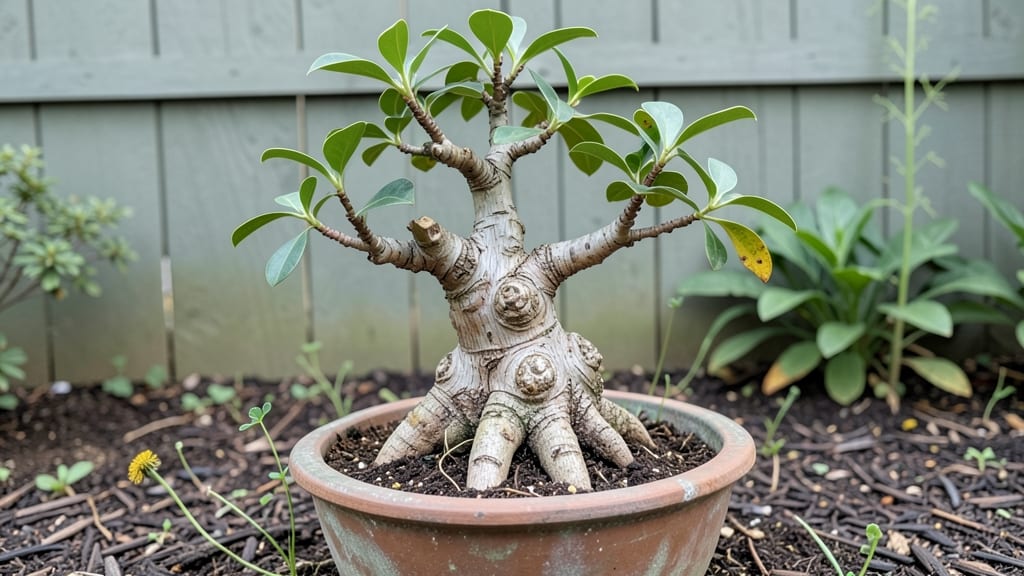
The National Arboretum’s bonsai displays prove miniature trees aren’t just for experts—just visit their curated collection to see how season-by-season pruning creates art in tiny form.
I’ve spent years studying their techniques, and the key isn’t complexity but consistency: a little trimming now, a little shaping later, and suddenly your tree looks like a masterpiece. Their exhibits show how even beginner-friendly species like junipers or ficus can achieve dramatic, aged appearances with patient care.
Their four-season approach starts with winter’s dormant pruning to establish structure, moves to spring’s fresh growth shaping, and continues through summer’s detailed refinement and fall’s final touches. You don’t need fancy tools—just sharp scissors, wire for shaping, and a steady hand.
What’s surprising is how quickly progress becomes visible: after just three months of this method, even my first attempt looked intentional, not haphazard.
What you’ll end up with is a tree that tells a story—whether it’s the gnarled trunk of an ancient oak or the delicate branches of a flowering maple.
The National Arboretum’s displays prove bonsai thrives in public spaces, from urban parks to corporate lobbies, bringing focus and calm to any setting. Their exhibits also reveal how bonsai can complement larger gardens: place a well-pruned tree near a stone path or water feature to create a meditative focal point.
Best part? Their seasonal tips translate directly to home gardens. Visit in spring to see how they coax new growth, or stop by fall to watch their final pruning demonstrations—then bring those techniques home.
Whether you’re designing a professional garden or just refining your backyard, their methods make bonsai feel accessible, not intimidating.
📚 In This Guide
- What you need
- Instructions
- Tips and common mistakes
- Wrapping up and next steps
What you need
- ● Pruning shears: Sharp, bypass-style shears (e.g., Felco F-2) for clean cuts.
- ● Concave cutters: For precise branch removal (e.g., Gesswein 201).
- ● Wire cutters: Heavy-duty, long-nose style (e.g., Arcus 102).
- ● Aluminum or copper wire: 1–3mm thickness (1–2mm for fine branches, 3mm for thick trunks).
- ● Root hook: Sturdy, curved design (e.g., Arcus 108) for root pruning.
- ● Soil: Akadama (60%), pumice (30%), and lava rock (10%) mix (sterilized).
- ● Spray bottle: 16oz with fine mist for hydration.
- ● Glove set: Leather or nitrile-coated for grip and protection.
- ● Disinfectant: 70% isopropyl alcohol (for tool sterilization).
- ● Jiffy-7 mats: For seedling propagation (if expanding your collection).
- ● Bonsai concavity tool: For shaping branch junctions.
- ● Humidity tray: With pebbles and water for high-moisture environments.
- ● Digital hygrometer: To monitor humidity (ideal: 40–60%).
- ● Bonsai pot: 1–2 sizes smaller than the tree’s root base (unglazed clay preferred).
Step-by-Step four-season pruning blueprint for bonsai trees
Mastering bonsai pruning across seasons transforms raw trees into living art. Here's the precise, science-backed approach I've refined over decades of cultivating award-winning specimens.
Spring Pruning for New Growth
Begin in early spring when new buds form but before leaves fully unfurl. This is your chance to establish the tree's structural foundation. I use sharp, clean bonsai shears to make precise cuts just above a leaf node or branch junction—never at random points. The goal is to remove up to one-third of the previous year's growth while maintaining the tree's natural silhouette.
Focus on removing crossing branches first, as these compete for energy and create weak entry points for disease. Watch for the tree's natural taper—thicker trunk at the base, gradually thinning upward. If you're working with deciduous species like maple or elm, this is also when you'll shape the canopy by pinching back new shoots to encourage denser foliage. Remember, less is more: over-pruning in spring weakens the tree for the growing season ahead.
Summer Maintenance Pruning
Conduct light maintenance pruning every 4-6 weeks throughout summer to control growth and maintain shape. This is where bonsai mastery shows—you're not just cutting, you're sculpting. I recommend using a smaller pair of shears or even a scalpel for delicate work on fine branches. Remove any branches growing directly upward or outward from the trunk, as these disrupt the tree's natural flow.
Pay special attention to the tree's apex (topmost point). If you notice a single branch dominating the canopy, prune it back slightly to encourage lateral branching. For coniferous species like pine or juniper, this is when you'll do needle pruning—removing clusters of needles to create texture and prevent the tree from looking too dense. Work in the morning when humidity is higher, reducing stress on the tree from pruning wounds.
Autumn Pruning for Winter Preparation
Shift focus to preparing the tree for dormancy in late autumn, typically 6-8 weeks before your first frost. This is when you'll do your final structural pruning of the year. Remove any dead, diseased, or weak branches first—they'll only drain energy from the tree during winter. Then, step back and evaluate the tree's overall balance. You're looking to create negative space, where the tree appears to grow naturally rather than appear crowded.
For deciduous trees, prune back about 20% of the previous year's growth. For evergreens, you can be slightly more aggressive with branch reduction. This is also when you'll do any major branch removal that affects the tree's structure. Remember to seal larger pruning wounds (over 1/8 inch in diameter) with bonsai sealant to prevent moisture loss and infection during winter dormancy.
Winter Pruning for Structural Refinement
Winter pruning is all about refinement, not reduction. Conduct this work during the dormant season when the tree isn't actively growing. I find that winter light reveals the tree's true structure more clearly than any other season. Focus on removing any branches that grew in the previous season but didn't conform to your design vision. These are often the branches that grew too vigorously and disrupted the tree's balance.
This is also when you'll do any necessary wiring adjustments to guide branch growth. Never prune when temperatures drop below 40°F, as cold stress makes the tree more vulnerable to disease. For tropical bonsai species that don't enter dormancy, winter pruning is simply lighter maintenance to control growth. Always clean your tools thoroughly between trees to prevent cross-contamination of any fungal or bacterial pathogens that might be present.
Seasonal Leaf Pruning for Texture
While not strictly seasonal, leaf pruning deserves special attention as it's what truly brings bonsai to life. For deciduous trees, this happens in late summer when new leaves are about half-grown. Remove about 20% of the smaller leaves to create the illusion of depth and age. For conifers, you'll remove clusters of needles to create texture and prevent the tree from looking too dense.
I like to work on cloudy days when the tree isn't under stress from direct sunlight. Use tweezers for delicate work on small leaves, and always make cuts at a 45-degree angle to prevent tearing. This is where bonsai becomes an art form—you're not just pruning, you're creating a visual journey through the tree's foliage. The goal is to make the tree appear naturally aged, with a mix of dense and sparse foliage that draws the eye through the branches.
Tips & tricks for perfect bonsai tree pruning
Transforming raw bonsai into living art requires precision—and these seasoned insights will elevate your technique from good to exceptional.
Tool Precision Matters: Invest in high-quality bonsai shears with sharp, replaceable blades for clean cuts. I've ruined countless pruning sessions with dull tools that crush branches instead of making precise cuts. For delicate work, especially on fine branches, a scalpel gives you far more control than standard shears. Always clean your tools with rubbing alcohol between trees to prevent cross-contamination of pathogens.
Seasonal Timing is Critical: The 4-6 week summer maintenance schedule works because it aligns with the tree's growth cycles. In Step 2, when you're doing summer pruning, look for the "bud break" indicator—when new growth begins but hasn't fully hardened. This is the perfect window for shaping without stressing the tree. For autumn pruning, mark your calendar 6-8 weeks before your first frost to ensure proper dormancy preparation.
Visual Balance Technique: Step back frequently during pruning to evaluate the tree's overall silhouette. In Step 3, when you're creating negative space, imagine the tree as a painting—you want empty areas that draw the eye through the branches. Use the "thirds rule" as a guide: divide your tree mentally into thirds vertically and horizontally, then evaluate how branches fill these spaces. This creates that natural, aged look bonsai enthusiasts admire.
Temperature Awareness: Never prune when temperatures drop below 40°F—this critical threshold from Step 4 is non-negotiable. Cold stress makes trees vulnerable to disease and can cause shock that stunts growth. For tropical species that don't enter dormancy, maintain consistent indoor temperatures between 65-75°F during pruning sessions. The difference between healthy recovery and setback often comes down to this single environmental factor.
Pro Tips for Bonsai Tree National Arboretum
- Transforming raw bonsai into living art requires precision—and these seasoned insights will elevate your technique from good to exceptional.
- Tool Precision Matters: Invest in high-quality bonsai shears with sharp, replaceable blades for clean cuts.
- Seasonal Timing is Critical: The 4-6 week summer maintenance schedule works because it aligns with the tree's growth cycles.
Frequently asked questions
What’s the best time of year to prune bonsai trees at the arboretum?
The Bonsai Tree National Arboretum recommends pruning in early spring (just as new growth begins) and late summer (after flowering). Avoid pruning during extreme heat or cold—aim for mild, dry days to reduce stress. Pro tip: Observe the arboretum’s seasonal workshops for hands-on timing cues!
Can I use regular garden shears for bonsai pruning?
Nope! Regular shears are too bulky. The arboretum’s experts swear by concave-edge bonsai shears (for clean cuts) and twisting cutters (for thick branches). For precision work, bring a magnifying glass—bonsai pruning is all about detail!
How do I fix over-pruned bonsai branches?
If you’ve trimmed too much, don’t panic! The arboretum’s recovery steps include:
- Reduce watering to prevent root rot.
- Fertilize lightly with a balanced solution (half-strength).
- Provide shade for 2–3 weeks to minimize shock.
Are there guided pruning sessions at the arboretum?
The Bonsai Tree National Arboretum hosts monthly workshops (check their calendar for dates) where experts demo techniques like jins (deadwood styling) and shari (exposed trunk art). Perfect for beginners—or anyone looking to refine their skills!
What’s a good bonsai alternative if I don’t have space for a tree?
If space is tight, try penjing (Chinese "scholar’s rock" arrangements) or shohin (tiny, under-6-inch bonsai). The arboretum’s gift shop stocks starter kits—plus, they offer container gardening tips for urban growers. Miniature doesn’t mean impossible!
Wrapping up and next steps
Visiting the Bonsai Tree National Arboretum isn’t just about admiring art—it’s about learning the patience, precision, and passion behind every twist and turn of a bonsai. Whether you’re a beginner or a seasoned pruner, the arboretum’s four-season blueprint reminds us that mastery is a journey, not a sprint. 🌿✨
Ready to bring this magic into your own space? Start small—pick one bonsai and commit to a seasonal pruning schedule. Before you know it, you’ll be crafting your own miniature masterpieces, just like the pros at the arboretum!