
Pruning
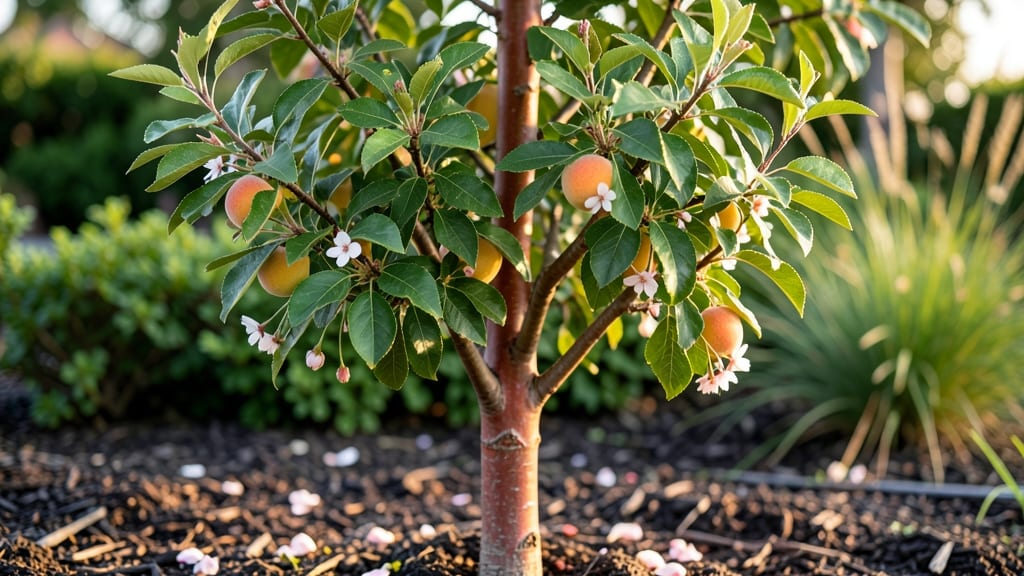
Caring for a Bonfire peach tree in the Pacific Northwest means fighting frost with smart pruning—and I’ve learned the hard way which cuts make the difference. That first late-spring freeze can turn your tree’s promise into a sad, bare skeleton if you’re not ready.
The secret isn’t just timing; it’s shaping the tree so it survives winter and produces fruit like a champ.
This tree thrives in our chilly climate when you prune at the right times: late winter to open airflow, summer to thin fruit clusters, and early fall to harden wood before frost.
You’ll need sharp shears, a ladder, and a calendar—because missing a window means smaller harvests or worse. The payoff? Juicy, freestone peaches that ripen weeks earlier than store-bought.
By summer’s end, you’ll have a tree that resists frost damage, produces 200+ pounds of fruit per season, and looks like a showpiece in your yard.
The key is balancing aggressive pruning with gentle care—too much, and you stunt growth; too little, and you invite disease. Let’s get those branches shaped right.
Works for urban backyards, rural orchards, and even large containers (with extra winter protection). The same principles apply whether you’re a first-timer or a seasoned grower—just adjust the intensity. Here’s how to keep your Bonfire tree happy year-round.
📚 In This Guide
- What you need
- Instructions
- Tips and common mistakes
- Wrapping up and next steps
What you need
- ● Pruning shears: Bypass pruners (sharp, clean, and sterilized with rubbing alcohol or bleach solution). Pro tip: Avoid dull tools—they crush branches instead of cleanly cutting! 🔪
- ● Loppers: For thicker branches (1–2 inches in diameter). Look for ratcheting or bypass-style loppers for precision.
- ○ Pruning saw: Optional but helpful for branches over 2 inches thick. A bow saw or folding pruning saw works best.
- ● Gloves: Heavy-duty, cut-resistant gloves (e.g., Mechanix or pruning-specific) to protect your hands from thorns and sharp tools.
- ● Disinfectant: 70% isopropyl alcohol or a 10% bleach solution (1 part bleach to 9 parts water) to sterilize tools between cuts and prevent disease.
- ○ Pruning sealant: Tree wound paint or pruning sealant (optional but recommended for cuts larger than ½ inch to prevent infection).
- ● Tarp or drop cloth: To collect debris and protect the ground underneath.
- ● Ladder or step stool: If your tree is taller than 6 feet, a stable, non-slip ladder is a must for safety.
- ● Frost cloth or row covers: Lightweight, breathable frost blankets (rated for 30°F or lower) to protect blossoms and young shoots during late frosts.
- ● Reflective mulch or bubble wrap: Aluminet or white plastic mulch to wrap the trunk (remove in spring) for extra frost protection.
- ● Watering can or hose: With a gentle spray nozzle for post-pruning hydration (especially in dry PNW winters).
- ● Slow-release fertilizer: Balanced 10-10-10 or fruit-tree-specific fertilizer (apply in early spring after pruning).
- ● Tree pruning guide or calendar: A printed or digital PNW-specific pruning chart to track your Bonfire peach’s seasonal needs.
- ● Bird netting: To protect blossoms from hungry birds during pollination season (late spring).
- ● Soil moisture meter: To monitor root health, especially in the PNW’s variable rainfall.
- ● Compost or aged manure: For enriching the soil around the base of the tree post-pruning.
Instructions for Pacific Northwest Bonfire peach tree care
Here’s the seasonal pruning and care plan I’ve used for years to keep Bonfire peaches thriving in our chilly, frost-prone climate.
Winter Pruning for Frost Resistance
Prune between late January and early February while the tree is still dormant but after the worst winter cold has passed. Focus on removing dead, diseased, or crossing branches first—these are the weak points that frost will exploit. Use clean, sharp pruning shears to make cuts just outside the branch collar, where the branch meets the trunk.
Open the canopy slightly by cutting back some of the smaller branches to improve airflow. This reduces frost pockets inside the tree where cold air can settle. Aim to leave about 60% of the previous year’s growth—this ensures the tree retains enough energy for spring blooms while staying resilient to late frosts.
Early Spring Frost Protection
As buds begin to swell in late February or early March, monitor the forecast closely. If a hard freeze (below 28°F) is predicted, cover the tree with frost cloth or a lightweight blanket the night before. Secure the fabric loosely so it doesn’t crush new growth, and remove it during the day to prevent overheating.
For younger trees, wrap the trunk with tree wrap to protect against sunscald, which can stress the tree further. Avoid plastic wrap—it traps too much heat and can scorch the bark. Water the base of the tree deeply the day before a freeze to help the roots absorb moisture and withstand cold better.
Summer Thinning for Fruit Quality
Once the tree is in full leaf and fruit begins to set (late May to June), thin the peaches to 6–8 inches apart on each branch. This prevents overcrowding, which leads to small, poor-quality fruit. Remove the smaller or misshapen peaches first—they’re competing with the stronger ones for nutrients.
Thinning also improves airflow, reducing the risk of fungal diseases like brown rot, which thrives in humid Pacific Northwest summers. If you’re unsure which fruit to keep, prioritize those attached to the strongest, outward-facing branches—these will get the most sun and ripen evenly.
Fall Preparation for Winter Hardiness
By mid-October, reduce watering to allow the tree to harden off for winter. Stop fertilizing entirely—new growth at this stage is vulnerable to frost damage. Rake up and dispose of any fallen leaves or fruit to prevent pests and diseases from overwintering in the soil.
Apply a 2–3 inch layer of mulch around the base (but not touching the trunk) to insulate the roots. Use straw or wood chips—they break down slowly and retain moisture without compacting. This layer helps regulate soil temperature, protecting roots from both winter cold and summer heat.
Year-Round Monitoring and Adjustments
Check the tree monthly for signs of stress, such as yellowing leaves, oozing sap, or unusual growth patterns. Bonfire peaches are more cold-hardy than other varieties, but they still need consistent care. If you notice cankers or signs of bacterial spot, prune those areas immediately and sterilize your tools with rubbing alcohol to prevent spread.
Adjust your approach based on the tree’s response—if it consistently struggles with late frosts, consider adding a small fan to circulate air around the canopy during cold snaps. Over time, you’ll learn the tree’s quirks and fine-tune your care routine for the Pacific Northwest’s unique climate.
Tips & tricks for perfect Bonfire peach tree care
These seasoned strategies will help you navigate the Pacific Northwest's challenging climate and keep your Bonfire peach tree thriving year after year.
Timing is Everything: In Step 1, when pruning between late January and early February, check the forecast for any late winter warm spells. If temperatures rise above freezing for more than a day, delay pruning by a week to avoid stimulating premature growth that could be damaged by subsequent frosts. The tree's dormancy is its natural protection—don't wake it up too early.
Frost Protection Pro Tips: For Step 2's frost protection, consider investing in a small weather station near your tree to get hyper-local temperature readings. The National Weather Service forecasts often show regional averages that can be misleading in microclimates. When covering your tree, leave the bottom open to allow air circulation—this prevents moisture buildup that can encourage fungal growth during our damp Pacific Northwest springs.
Thinning Technique: During Step 3's summer thinning, use a small pruning knife rather than your shears for precision work. Cut just above a leaf bud or lateral branch to encourage proper regrowth. I've found that thinning on a cloudy day reduces stress on the tree—it's already dealing with the trauma of removing fruit, so minimize additional stress factors whenever possible.
Mulch Matters: When applying that 2-3 inch layer of mulch in Step 4, create a slight depression around the trunk to help direct water toward the roots. This is especially important in our rainy summers when water can pool away from the base. Use straw rather than wood chips if you're concerned about fungal diseases—straw breaks down more slowly and maintains better airflow around the base.
Pro Tips for Bonfire Peach Tree Care
- These seasoned strategies will help you navigate the Pacific Northwest's challenging climate and keep your Bonfire peach tree thriving year after year.
- Timing is Everything: In Step 1, when pruning between late January and early February, check the forecast for any late winter warm spells.
- Frost Protection Pro Tips: For Step 2's frost protection, consider investing in a small weather station near your tree to get hyper-local temperature readings.
Frequently asked questions
about caring for your Bonfire peach tree—especially in the Pacific Northwest’s chilly climate—can save you time and stress. Here are answers to the most common queries to keep your tree thriving.How cold can a Bonfire peach tree handle?
The Bonfire peach is one of the most frost-resistant peach varieties, tolerating temperatures down to 10°F (-12°C) once established. However, young trees (under 3 years old) may need protection in harsh winters. Use row covers or mulch heavily to shield roots from extreme cold.
When is the best time to prune my Bonfire peach tree?
Prune during late winter or early spring (February–March) while the tree is still dormant but before buds swell. Avoid pruning in fall, as new growth won’t harden off before winter. Note: If you live in a milder PNW zone, you can prune lightly in late winter to encourage early blooms.
Should I remove all dead branches, or leave some for structure?
Remove all dead, diseased, or crossing branches—these weaken the tree and invite pests. Keep about 30-40% of the canopy open to allow sunlight and airflow. Thin out crowded branches to prioritize strong, outward-facing limbs for fruit production.
Why aren’t my Bonfire peaches ripening fully?
Inconsistent ripening often stems from uneven sunlight or temperature fluctuations. Ensure the tree gets 6+ hours of direct sun daily. If nights are too cool (below 50°F/10°C), peaches may struggle to sweeten. Try mulching or wrapping the trunk to stabilize soil temps.
Can I grow a Bonfire peach tree in a container?
Yes! Use a large (20+ gallon) container with drainage holes and well-draining soil. However, container-grown trees may need extra winter protection (e.g., moving to a sheltered spot or wrapping the pot). Expect slightly smaller yields compared to in-ground planting.
How do I prevent peach leaf curl on my Bonfire tree?
Peach leaf curl is common in the PNW. Prevent it by applying copper fungicide in late fall or early spring before buds swell. Remove and destroy infected leaves promptly. Resistant varieties like Bonfire are less prone, but vigilance is key!
Wrapping up and next steps
Caring for your bonfire peach tree in the Pacific Northwest is all about timing, patience, and a little extra love—especially when it comes to frost resistance and pruning! 🌳❄️ By following this tailored calendar, you’ll set your tree up for abundant, flavorful fruit year after year.
Remember, healthy growth starts with the right cuts, so don’t rush the process.
Now that you’re armed with the know-how, roll up your sleeves and get pruning! 🌟 Start with late winter, then check in at each key milestone. Soon, your tree will reward you with juicy peaches and a stunning canopy. Happy pruning—your future harvest is waiting!