
Pruning
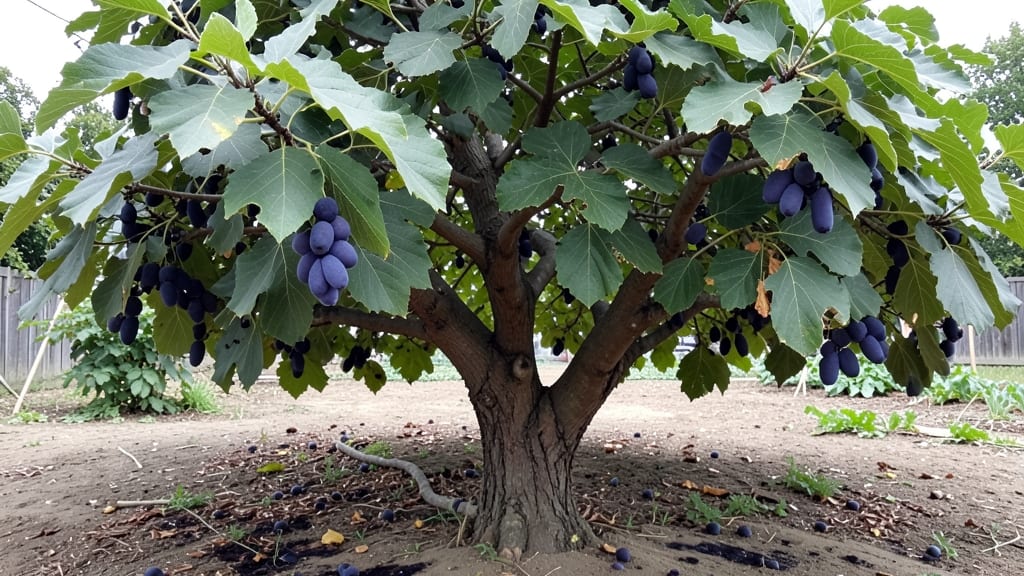
The black mulberry tree (Morus nigra) delivers fruit so sweet and abundant that neighbors will ask where you got yours. 🌿 I’ve pruned mine for years, and the secret to year-round harvests lies in strategic cuts that balance growth and fruit production—without sacrificing winter hardiness.
This tree thrives in zones 5-9, making it one of the few mulberries that survive northern winters without fuss. The key is pruning in late winter or early spring before buds swell, removing dead wood first, then thinning branches to let light reach inner fruit clusters.
A well-pruned tree produces two harvests per year—spring and fall—with juicy berries that darken to deep purple when ripe.
You’ll end up with a tree so productive, you’ll need buckets or a tarp to collect the fruit. The berries are perfect for jams, teas, or fresh eating, while the tree’s glossy leaves add lush shade.
Plus, birds adore them, turning your yard into a wildlife hotspot. Let’s get those pruners sharp and start shaping your tree for maximum yield.
Works for urban yards, rural homesteads, or even large containers—just ensure it gets full sun and well-draining soil. The first year sets the foundation; after that, it’s mostly maintenance. Here’s how to do it right the first time.
📚 In This Guide
- What you need
- Instructions
- Tips and common mistakes
- Wrapping up and next steps
What you need
- ● Pruning shears: Bypass pruners (sharp, 6–8” blades) for small branches.
- ● Loppers: 1 pair (8–12” blades) for thicker branches (½–1.5” diameter).
- ● Pruning saw: 1 saw (10–12” curved blade) for stubborn, woody stems.
- ● Gloves: Heavy-duty, cut-resistant gloves (e.g., Felco or Fiskars).
- ● Disinfectant: 70% isopropyl alcohol or 10% bleach solution (1 part bleach to 9 parts water) to sterilize tools between cuts.
- ● Rags or paper towels: For wiping tools clean.
- ○ Marking twine or flags: Optional but helpful for tagging branches to remove.
- ● Safety glasses: Protect your eyes from debris.
- ● Long sleeves/pants: Avoid scratches from thorns.
- ● Ladder or step stool: If your tree is over 6–8 feet tall.
- ● Trash bags: For collecting pruned branches (check local regulations for disposal).
- ○ Compost bin: Optional—mulch small branches for garden enrichment!
Instructions for pruning your black mulberry tree
Here's how to keep your mulberry thriving—and fruiting—through every season.
✂️ Step 1: Prune Dead or Diseased Wood First
Start by removing any branches that are dead, broken, or showing signs of disease like fungal spots or oozing sap. Use clean, sharp pruning shears to make cuts just outside the branch collar—the swollen area where the branch meets the trunk. This prevents unsightly stubs and helps the tree heal faster.
Look for branches that haven't produced leaves in spring or have hollow centers when tapped gently. These are clear candidates for removal. I always prune these first because they can harbor pests or diseases that might spread to healthier branches. If you're unsure whether a branch is dead, scratch the bark with your fingernail—live wood is green underneath, while dead wood is brown or black.
☀️ Step 2: Thin the Canopy for Better Airflow
Next, focus on thinning the tree's canopy to improve airflow and sunlight penetration. Remove branches that rub against each other or grow inward toward the center of the tree. These are called "water sprouts" or "suckers" and compete with fruiting branches for energy. Aim to remove about 20-25% of the tree's total branches during this step.
Start from the outer edges and work your way inward. You'll see where sunlight struggles to reach—those are the spots where thinning makes the biggest difference. Mulberries thrive with good airflow, so don't be afraid to open up the canopy. Just avoid over-pruning in one season; spread it out over 2-3 years to avoid stressing the tree.
⏰ Step 3: Shape the Tree for Optimal Fruit Production
Now it's time to shape the tree to encourage fruit production. Mulberries produce fruit on one-year-old wood, so focus on maintaining a balance of older and younger branches. Remove any branches that grow straight up—these are called "vertical leaders" and rarely bear fruit. Instead, encourage horizontal branches that angle outward, as these produce the most berries.
Use your pruners to make cuts just above a bud that faces outward. This encourages new growth in the direction you want. For a mature tree, I like to keep a central leader (the main vertical trunk) but prune competing leaders to one strong branch. Mulberries are naturally vigorous, so a little shaping goes a long way in keeping the tree manageable while maximizing fruit yield.
✂️ Step 4: Prune for Cold Hardiness and Winter Prep
In late winter or early spring, just before buds swell, do a final round of pruning to prepare the tree for the growing season. Remove any remaining weak or crossing branches, and trim back any growth that was damaged by frost or winter winds. This is also a good time to prune any branches that are growing too close to sidewalks, driveways, or structures.
Mulberries are surprisingly cold-hardy, but a little extra care in winter helps. After pruning, apply a 2-3 inch layer of mulch around the base of the tree (but keep it away from the trunk) to protect roots from freezing temperatures. Water deeply before the ground freezes to help the tree store moisture for spring. This step ensures your tree comes back strong every year, even in harsh winters.
🌱 Step 5: Clean Up and Monitor for New Growth
Once you've finished pruning, clean up all the debris from the ground. Rake up and dispose of any branches you've removed, especially if they showed signs of disease. This prevents pests and pathogens from lingering around the tree. Now, keep an eye on the tree over the next few weeks as new growth emerges.
You'll notice fresh green shoots appearing where you made cuts—this is a good sign! Mulberries are fast growers, so don't be surprised if you see new branches sprouting quickly. If you see any water sprouts (fast-growing, vertical shoots) popping up, prune them back early to redirect the tree's energy into fruiting branches. With consistent care, your black mulberry will reward you with bountiful harvests for years to come.
Tips & tricks for pruning your black mulberry tree
Pruning your black mulberry tree might seem intimidating, but these practical tips will help you maintain a healthy, fruit-bearing tree with confidence.
Tool Tip: Invest in a good pair of bypass pruning shears—they make clean cuts that heal faster than jagged ones. For thicker branches over ½ inch in diameter, use a pruning saw to avoid tearing the bark. I also keep a small bottle of rubbing alcohol handy to disinfect my tools between cuts, especially when dealing with diseased branches. This prevents spreading pathogens to healthy parts of the tree.
Timing Secret: The best time to prune is late winter or early spring, just before buds swell but before new growth begins. This timing gives your tree time to heal before the growing season. If you must prune during the growing season, do it in early summer to allow time for new growth to harden off before winter. Avoid heavy pruning in fall, as new growth won't have time to mature before cold weather sets in.
Visual Cues: When shaping your tree in Step 3, look for branches that form a 45-degree angle from the trunk—these are ideal for fruit production. Vertical branches (called "water sprouts") rarely bear fruit and should be removed. To encourage outward growth, make your cuts just above a bud that faces the direction you want new growth to go. You'll notice fresh green shoots emerging from these buds within weeks, signaling successful pruning.
Seasonal Strategy: Spread your pruning over 2-3 years rather than doing everything at once. This prevents stressing the tree and gives you time to assess each year's growth. For example, you might focus on removing dead wood in Year 1, thinning the canopy in Year 2, and shaping for fruit production in Year 3. This gradual approach also makes the task more manageable and less overwhelming.
Pro Tips for Black Mulberry Tree
- Pruning your black mulberry tree might seem intimidating, but these practical tips will help you maintain a healthy, fruit-bearing tree with confidence.
- Tool Tip: Invest in a good pair of bypass pruning shears—they make clean cuts that heal faster than jagged ones.
- Timing Secret: The best time to prune is late winter or early spring, just before buds swell but before new growth begins.
Frequently asked questions
When is the best time to prune a black mulberry tree?
The ideal time to prune is late winter or early spring (just before buds swell), but you can also do light pruning in summer after harvest. Avoid heavy pruning in fall, as it can stimulate new growth that won’t harden off before winter. Pro tip: If you live in a cold climate, wait until after the last frost to minimize stress on the tree!
How much can I prune a black mulberry tree without hurting it?
Black mulberries are highly resilient—you can safely remove up to 25-30% of the canopy in a single session. Focus on:
- Dead, diseased, or crossing branches
- Suckers at the base (they drain energy)
- Overcrowded branches to improve airflow
Will pruning my black mulberry tree increase fruit production?
Yes! Pruning boosts fruit quality and quantity by:
- Improving sunlight penetration to inner branches
- Redirecting energy to fruit-bearing wood
- Reducing disease risk from dense foliage
How do I protect my black mulberry tree from winter damage?
Black mulberries are cold-hardy (USDA Zones 5-9), but young trees or harsh winters need extra care:
- Apply a 2-3 inch layer of mulch around the base (keep it 6" from the trunk).
- Wrap the trunk with tree guard or burlap to prevent sunscald.
- Avoid heavy pruning in late fall—wait until spring.
What if my black mulberry tree isn’t fruiting? Can pruning fix it?
If your tree is mature but not fruiting, pruning won’t magically fix it, but it can help by:
- Encouraging new growth where fruit forms (look for green, flexible wood—older wood is less productive).
- Removing shade-producing branches that block sunlight.
Wrapping up and next steps
The black mulberry tree is a resilient and rewarding addition to any landscape—especially when you master the art of cold-hardy pruning. By following the steps above, you’ll ensure year-round fruit production, stronger growth, and a healthier tree.
Whether you’re a seasoned gardener or a curious beginner, take the first step this season—grab your pruners and give your mulberry tree the care it deserves! 🌱✂️
- Next up: Monitor your tree’s response to pruning and adjust as needed—your mulberry will thank you with bountiful harvests!
- Pro tip: Share your progress with fellow gardeners for tips and inspiration!