
Pruning
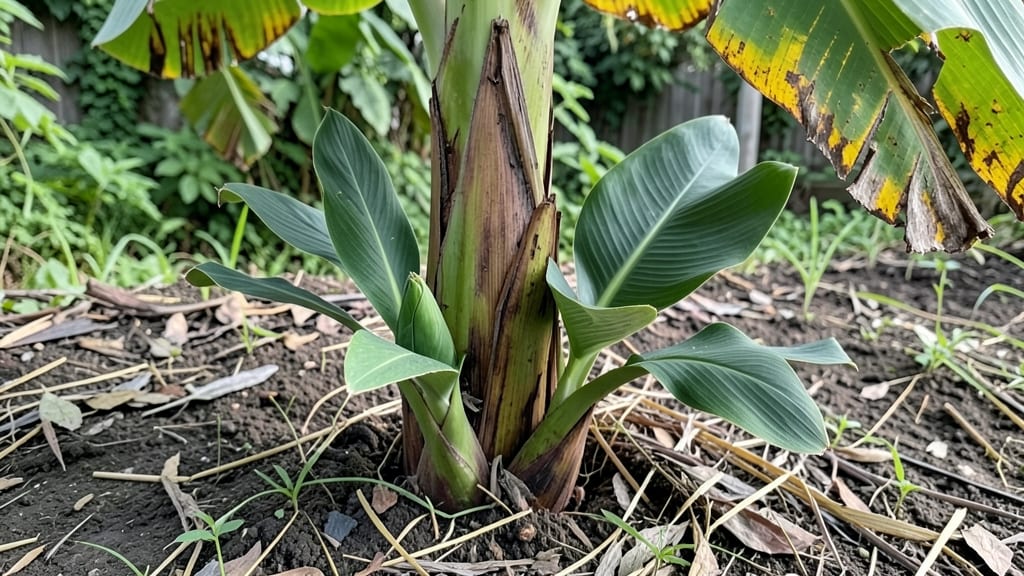
Banana tree suckers are the secret to multiplying your tropical harvest—if you know how to handle them. 🌱 I’ve turned a single plant into an entire grove by mastering these fast-growing offshoots, and the process is simpler than most gardeners think.
The key is timing: remove them when they’re young but sturdy, and you’ll get strong new plants with minimal stress.
You’ll need sharp pruners, a bucket of water for rinsing roots, and a spot to transplant—whether that’s a pot or garden bed. Suckers grow year-round in warm climates, but even in cooler zones, you can propagate them indoors before spring.
The goal is to keep your mother plant healthy while giving these energetic shoots their own space to thrive.
What you’ll end up with is a steady supply of banana trees, each producing fruit faster than store-bought plants. The leaves stay vibrant, the roots establish quickly, and you’ll have more bananas than you know what to do with.
Plus, these suckers adapt well to containers, making them perfect for patios or balconies.
Whether you’re in Florida or California—or even growing bananas in pots—this method works. The biggest mistake? Waiting too long to transplant, which stresses the plant. Let’s get those suckers growing strong and productive!
📚 In This Guide
- What you need
- Instructions
- Tips and common mistakes
- Wrapping up and next steps
What you need
- ● Pruning shears or loppers: Sharp, sterilized tools (6–10-inch blades for suckers; avoid dull tools to prevent tearing). Quantity: 1 pair.
- ● Gloves: Heavy-duty, cut-resistant (to protect hands from thorns and sap). Quantity: 1 pair.
- ● Disinfectant (rubbing alcohol or bleach solution): 1 part bleach to 9 parts water (for sterilizing tools between cuts).
- ○ Pruning sealant (optional but recommended): Tree wound dressing (e.g., Tanglefoot or pruning paste) to prevent disease entry.
- ○ Marking twine or flags (optional): For labeling suckers to transplant later.
- ● Safety gear: Long sleeves/pants (banana sap can irritate skin).
- ● Weather check: Prune on a dry, overcast day (avoid midday sun to reduce stress on the plant).
- ● Transplanting supplies (if repurposing suckers): Small pots or nursery containers (5–7 inches in diameter).
- ● Well-draining potting mix (e.g., 50% peat moss, 30% perlite, 20% compost).
- ○ Rooting hormone (optional, to boost growth).
- ● Cleanup: Plastic bags or bucket for disposing of pruned suckers (compost or discard).
Step-by-Step guide to pruning banana tree suckers
Here's how to encourage healthy regrowth and maximize fruit production from your banana tree.
🌱 Step 1: Identify Suckers and Their Growth Stage
Suckers are the new shoots that emerge from the base of your banana tree. Start by locating the mother shoot (the main trunk) and the pups (the smaller suckers growing around it). The strongest sucker will be the one closest to the mother shoot—this is your future replacement plant. Weaker suckers can be pruned to redirect energy toward fruit production.
Wait until suckers reach 6-12 inches tall before pruning. This ensures they’ve developed enough roots to survive independently if you choose to transplant them later. If you prune too early, you risk stunting their growth or damaging the root system.
✂️ Step 2: Prune Weak or Unwanted Suckers
Use clean, sharp pruning shears to cut suckers at the base, just above the soil line. Avoid tearing the tissue—this can introduce disease. Start with the smallest or weakest suckers, leaving only 1-2 strong suckers per plant. If your banana tree is mature, you can keep up to 3 suckers to ensure continuous growth.
If a sucker is growing at an odd angle or appears deformed, prune it immediately. These won’t produce quality fruit and will compete with healthier growth. After pruning, discard the cuttings or compost them—never leave them lying near the base of the plant, as they can attract pests.
🌿 Step 3: Encourage Strong Regrowth in Remaining Suckers
Once you’ve pruned the weaker suckers, focus on the remaining ones. Water the base of the plant deeply (about 1-2 gallons) to help the roots recover and support new growth. Banana trees are heavy feeders, so apply a balanced fertilizer (like 10-10-10) around the base, keeping it 6 inches away from the trunk to avoid burning the roots.
Place your banana tree in a spot with full sun (6+ hours daily) and well-draining soil. If you notice new leaves emerging from the remaining suckers within 2-3 weeks, you’re on the right track. If growth stalls, check for pests like aphids or mites—treat with neem oil if needed.
⏰ Step 4: Monitor and Repeat Pruning Seasonally
Banana trees grow year-round in warm climates, so pruning isn’t just a one-time task. Repeat this process every 3-4 months to maintain a balanced plant. In cooler months, growth slows, but you can still prune dead or diseased leaves to keep the plant healthy. Avoid heavy pruning during frost or extreme heat—your tree needs energy to survive.
Here’s the thing—banana trees reward consistency. If you prune suckers regularly, you’ll see larger fruit clusters and a stronger, more productive plant. Keep an eye on the remaining suckers: if one outpaces the others, prune the slower-growing ones to ensure even energy distribution.
Tips & tricks for pruning banana tree suckers
Pruning banana tree suckers might seem intimidating, but these simple tricks will help you maintain a healthy, productive plant without the guesswork.
Timing is Everything: The 6-12 inch height guideline in Step 1 isn't arbitrary—it ensures suckers have developed strong enough roots to survive if you decide to transplant them later. I learned this the hard way after pruning too early and watching my suckers wither. Wait until you see those little roots forming around the base before making your cut.
Tool Tip: Don't just grab any pruners—clean, sharp pruning shears make all the difference in Step 2. Dull tools can crush the tissue, creating entry points for disease. I keep a small bottle of rubbing alcohol handy to wipe down my shears before and after each use. Sterilizing your tools between cuts is especially important if your plant shows any signs of disease.
Post-Pruning Care: That deep watering in Step 3 (1-2 gallons) is crucial for recovery, but timing matters too. Water immediately after pruning while the roots are exposed, then again the following day. I also add a handful of compost to the soil after watering to give the roots a nutrient boost as they recover. This helps prevent shock and supports new growth.
Seasonal Strategy: The 3-4 month pruning schedule in Step 4 works best in warm climates, but if you're in a cooler region, adjust to every 4-5 months during the growing season. I mark my calendar with reminders because banana trees grow year-round in ideal conditions. In my zone 9 garden, I prune in January, April, July, and October—just before the hottest months when growth naturally slows.
Pro Tips for Banana Tree Suckers
- Pruning banana tree suckers might seem intimidating, but these simple tricks will help you maintain a healthy, productive plant without the guesswork.
- Timing is Everything: The 6-12 inch height guideline in Step 1 isn't arbitrary—it ensures suckers have developed strong enough roots to survive if you decide to transplant them later.
- Tool Tip: Don't just grab any pruners—clean, sharp pruning shears make all the difference in Step 2.
Frequently asked questions
Got questions about banana tree suckers?
You’re not alone! Whether you’re a first-time grower or a seasoned gardener, these common queries can help you master pruning for lush, year-round regrowth. Dive into the answers below to keep your banana plant thriving!
What exactly are banana tree suckers, and why do they matter?
Suckers are baby banana plants that sprout from the base or along the stem of your mature tree. They’re nature’s way of ensuring your plant’s survival and growth. Removing or keeping them depends on your goals—whether you want more fruit, space-saving growth, or a single strong plant.
When is the best time to prune banana tree suckers?
Timing is key! Prune suckers in late winter or early spring (before new growth starts) for optimal regrowth. If you’re in a tropical climate, you can prune year-round—but avoid heavy pruning during flowering or fruiting. Pro tip: Wait until suckers reach 12–18 inches tall for easier handling and better root development.
How do I know which suckers to remove and which to keep?
Keep the healthiest, strongest sucker (usually the largest with thick stems) as your replacement plant. Remove the rest to redirect energy to your main tree. If you want multiple plants, leave 2–3 suckers but prune the rest to avoid overcrowding. Warning: Never keep more than 3–4 suckers—it weakens the mother plant!
Can I propagate banana tree suckers, and how?
To propagate, gently twist or cut a healthy sucker from the base (use clean, sharp shears). Plant it in well-draining soil, water lightly, and keep it in partial shade for the first few weeks. Suckers root quickly—you’ll see new growth in 4–6 weeks. Bonus tip: Use a rooting hormone to boost success rates!
What if my banana tree isn’t producing suckers? What’s wrong?
No suckers? Don’t panic! Common causes include old age (mature trees >5 years may slow down), poor nutrition (lack of potassium/phosphorus), or stress (overwatering, pests, or extreme temps). Try fertilizing with a balanced banana-specific feed and check for pests like borers. If the tree is truly exhausted, it may need a full rest period.
Are there alternatives to pruning suckers for space-saving?
Yes! If pruning isn’t an option, try container growing—banana trees thrive in large pots and let you control sucker growth. You can also train suckers upward (like vines) using stakes or trellises to save space. For dwarf varieties (like Lady Finger), suckers are often smaller and easier to manage naturally.
Wrapping up and next steps
Mastering the art of managing banana tree suckers is your ticket to a thriving, productive garden year-round! 🌱 With the right tools, timing, and techniques, you can encourage lush regrowth and maximize your harvest.
Whether you're a seasoned gardener or just starting out, this guide gives you the confidence to prune like a pro.
Ready to put your new skills to work? Start by inspecting your banana tree this week—identify those healthy suckers and give them the care they deserve. Happy pruning, and may your garden flourish! 🌿✨