
Pruning
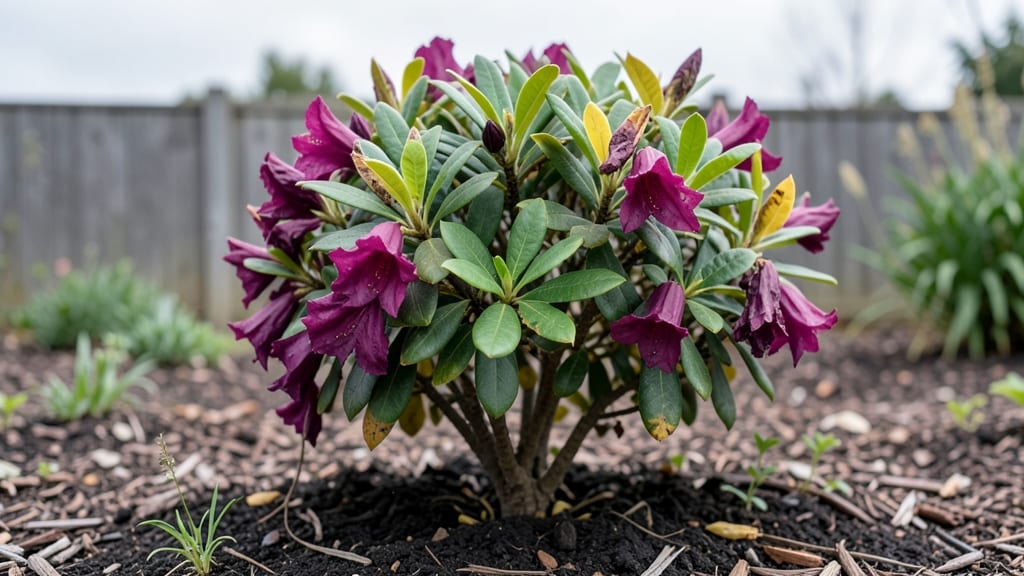
Planting an azalea tree outside in the Pacific Northwest means choosing varieties that handle winter frost while still delivering those stunning spring blooms. 🌸 I’ve learned the hard way—skipping the right preparation leads to leggy plants or worse, frost damage that kills new growth.
The key is selecting cold-hardy types like ‘Girard’s Pink’ or ‘Broughton Star’ and timing everything just right.
Your azalea thrives in dappled shade and acidic soil, so test your yard’s pH first—aim for 5.0 to 6.0. Water deeply after planting and keep the roots moist but never soggy; these trees hate dry spells.
Mulch heavily in winter to protect roots from freezing, and avoid fertilizing in fall, which encourages tender new growth that won’t survive frost.
When pruning, wait until right after blooming to avoid cutting off next year’s flowers. Shape lightly to open the center, but never remove more than a third of the plant at once.
In frost-prone zones, prune in early spring before buds swell—this gives the tree time to harden off before winter’s chill.
Common mistakes? Overwatering, pruning at the wrong time, or planting in full sun. Stick to partial shade, and you’ll see vibrant blooms year after year.
The Pacific Northwest’s damp climate is actually ideal once you get the basics right—just protect those roots in winter, and your azalea will reward you with season after season of color.
📚 In This Guide
- What you need
- Instructions
- Tips and common mistakes
- Wrapping up and next steps
What you need
- ● Pruning shears: Bypass pruners (for small branches, sharp and clean). Pro tip: 💡 Sanitize with rubbing alcohol before and after use to prevent disease spread!
- ● Loppers: 6–8" bypass loppers (for thicker branches, up to 2 inches in diameter).
- ● Hand pruners: Anvil-style (for smaller, dead branches—but avoid using these on live wood to prevent crushing).
- ● Gloves: Heavy-duty gardening gloves (to protect from thorns and sap).
- ● Disposable pruning bags: 3–5 gallon size (for collecting clippings and debris).
- ● Hose or bucket: With water (to clean tools and rinse sap off hands).
- ● Rake or leaf blower: For clearing fallen leaves and debris from the base.
- ● Pruning saw: For branches larger than 2 inches (if your azalea has any thick growth).
- ● Tree wound dressing: Not always necessary—azaleas heal well on their own, but a light application of pruning sealant (like Tanglefoot Tree Wound Pruning Seal) can help if you’re pruning large cuts.
- ● Ladder or step stool: If your azalea is taller than 6 feet (safety first!).
- ● Notebook & pen: To jot down notes on pruning cuts (helpful for tracking growth over time!).
- ● Mulch: Shredded bark or pine needles (to replenish after pruning and protect roots).
- ● ⏰ Timing: Prune azaleas in the Pacific Northwest’s late winter to early spring (February–March), right after flowering (but before new buds form).
- ● ☀️ Weather: Choose a dry, overcast day—avoid pruning if rain or frost is forecasted within 24 hours.
- ● 🌱 Health check: Inspect your azalea for signs of disease (fungus, pests) or dead branches before starting.
- ● 📏 Measurements: Have a tape measure handy to check branch thickness if unsure.
Instructions for pruning your Pacific Northwest azalea tree
Here's the method I've used for years to keep azaleas healthy and blooming beautifully in our rainy, cool climate.
✂️ Step 1: Time Your Pruning to the Seasonal Calendar
Prune your azalea immediately after flowering—typically late May to early June in the Pacific Northwest. This timing ensures you don't cut off next year's flower buds, which form on old wood. I always wait until after the last frost when the blooms have faded completely, but before new growth gets too vigorous.
If you prune at the wrong time, you risk removing next season's flowers. Azaleas bloom on old wood, so cutting back too early means you might miss the entire show. Watch for wilted flowers and new leaf growth—that's your cue to grab the shears.
✂️ Step 2: Shape the Tree with Clean, Precise Cuts
Start by removing any dead, diseased, or crossing branches first—these compete with healthy growth and can invite pests. Cut back to the nearest outward-facing bud or branch junction, making the cut at a 45-degree angle just above it. This encourages new growth in the right direction and prevents water from pooling on the wound.
Next, thin out the center of the tree to improve airflow and sunlight penetration. I aim to open up the canopy so light reaches the inner branches. Never remove more than 25% of the tree's foliage in one season—this keeps stress levels low and maintains the tree's natural shape.
✂️ Step 3: Refine the Canopy for Optimal Growth
Step back and assess the tree's overall shape. Azaleas naturally grow in a rounded form, so I focus on maintaining that silhouette. Trim back any branches that grow too long or stick out awkwardly. Cut just above a leaf node or bud, and always make the cut at a slight angle to direct water away from the wound.
For a more refined look, I like to trim the outer edges slightly to encourage a fuller, bushier appearance. Avoid heavy pruning on young trees—focus on shaping as they mature. If you notice any bare spots or leggy growth, that's a sign the tree needs more light or a lighter hand with the shears.
💧 Step 4: Post-Pruning Care for Strong Recovery
After pruning, give your azalea a deep watering to help it recover. The tree will direct energy toward healing the cuts and producing new growth. I also apply a layer of mulch around the base (but not touching the trunk) to retain moisture and regulate soil temperature.
Monitor the tree closely for the first few weeks. If you see yellowing leaves or wilting branches, it might be stressed from the pruning. In that case, hold off on any additional trimming and focus on keeping the soil evenly moist. Azaleas prefer acidic, well-draining soil, so a light application of azalea-specific fertilizer can help support new growth.
⏰ Step 5: Schedule Maintenance Pruning for Ongoing Health
Plan a light maintenance pruning in early fall to remove any suckers or water sprouts that appear during the growing season. These fast-growing shoots drain energy from the main tree. Keep cuts clean and precise—avoid heavy pruning now, as it can stimulate tender growth that won't survive winter.
In late winter (February), do a quick check for any damaged or dead branches from frost or storms. Remove them immediately to prevent disease. This is also a good time to plan your spring pruning—sketch out the tree's shape in your mind so you're ready to act as soon as the flowers fade.
Tips & tricks for perfect azalea tree pruning
These simple tricks will help you prune your azalea like a pro—keeping it healthy and blooming beautifully year after year.
Timing is Everything: I can't stress enough how important the late May to early June window is. Mark your calendar for the first week after your azaleas finish blooming—this is when the flower buds for next year are already forming. If you prune too early, you risk cutting off next year's show entirely. Pro tip: Set a reminder for the week after your last frost date, when the flowers have completely wilted but before those new leaves really start popping.
Tool Prep Matters: Before you even touch the tree, make sure your pruning tools are sharp and clean. Dull shears create jagged cuts that heal poorly and invite disease. I like to disinfect my tools with rubbing alcohol between cuts, especially when dealing with diseased branches. A good pair of bypass pruners works best for most azalea branches—avoid anvil pruners which can crush the stems and damage the tree.
The 25% Rule: Remember that 25% foliage limit from Step 2? That's not just a suggestion—it's crucial for your tree's health. Heavy pruning stresses azaleas, especially in our rainy PNW climate. If you're unsure whether you've exceeded this, step back and look at your tree from a distance. You should still see plenty of green leaves covering the branches after you're done.
Winter Prep Check: During that late winter check in February, don't just look for dead branches—also examine the bark for any signs of frost damage or insect activity. Azaleas are tough, but winter can take its toll. If you find any cracked bark or unusual holes, those branches should come off immediately. It's amazing how much healthier your tree will look after just removing those problem areas.
Pro Tips for Azalea Tree Outside
- These simple tricks will help you prune your azalea like a pro—keeping it healthy and blooming beautifully year after year.
- Timing is Everything: I can't stress enough how important the late May to early June window is.
- Tool Prep Matters: Before you even touch the tree, make sure your pruning tools are sharp and clean.
Frequently asked questions
Got questions about keeping your azalea tree outside thriving in the Pacific Northwest? Here are some common ones—and their answers—to help you prune like a pro!
When is the best time to prune azaleas in the PNW?
Prune your azalea tree after flowering (late spring to early summer) to avoid cutting off next year’s blooms. In the PNW, late May or June is ideal—just don’t wait too long, or you’ll miss the window for shaping before new growth hardens.
How do I protect azaleas from PNW frost?
Azaleas are frost-resistant, but young plants or late-season blooms may need help. Cover tender buds with frost cloth on cold nights (below 25°F). Mulch the base with 3–4 inches of wood chips to insulate roots. Avoid pruning heavily in fall—wait until spring to reduce stress.
Can I prune azaleas in winter?
No—never prune azaleas in winter (Dec–Feb). Dormant pruning can expose cuts to frost damage and disease. Instead, focus on late spring/early summer. If you must clean up dead branches, do it lightly in early spring before buds swell.
Why aren’t my azaleas blooming after pruning?
Bloom loss often happens if you prune too late (after mid-summer) or cut back over 1/3 of the plant at once. Azaleas flower on old wood, so avoid heavy structural pruning. Stick to shaping and deadwood removal post-bloom.
What’s a good frost-resistant azalea alternative for the PNW?
If your azalea struggles with cold snaps, try ‘Girard’s Hybrid’ or ‘Kaleidoscope’ varieties—they handle PNW winters better. For shade-tolerant options, Rhododendron ‘Catawbiense’ is a hardy, low-maintenance choice with stunning blooms.
My azalea leaves are yellow—what’s wrong?
Yellow leaves usually mean overwatering, poor drainage, or nutrient deficiency. Check soil moisture (azaleas like acidic, moist but well-draining soil). Test pH (ideal: 4.5–6.0) and amend with peat moss or sulfur if needed. Avoid fertilizing in winter.
Wrapping up and next steps
Growing a stunning, frost-resistant azalea tree outside in the Pacific Northwest is totally within reach—just follow your tailored pruning calendar and care tips! 🌸 Whether you’re a seasoned gardener or just starting, consistent maintenance ensures vibrant blooms and a healthy plant year after year.
Now that you’ve got the know-how, roll up your sleeves and give your azalea the love it deserves—your garden will thank you!
Ready to take the next step? Mark your calendar for seasonal tasks and keep an eye on your tree’s health—soon, you’ll be the PNW neighbor with the show-stopping azalea! 🌿