
Pruning
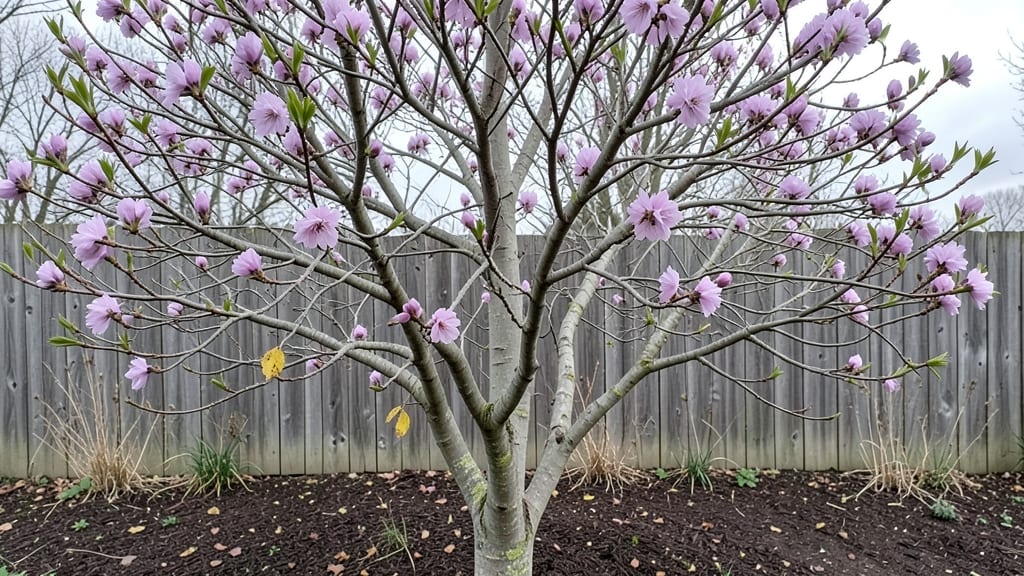
The Avondale Redbud tree (Cercis canadensis 'Avondale') is the Pacific Northwest's secret weapon for spring color—its rosy-pink blooms arrive weeks before anything else in the garden.
I still remember the first time I saw mine erupt in flowers in early March, turning my yard into a soft pink cloud when everything else was still bare.
It’s not just about the showy blossoms, though; this tree thrives in our damp, mild winters and delivers three seasons of interest: spring blooms, heart-shaped foliage that turns golden in fall, and even attractive seed pods later on.
Pruning this tree isn’t complicated, but timing matters. The best time to shape it is right after flowering, when the blooms fade but before new growth hardens. You’ll want to remove any dead or crossing branches first—this keeps air circulating and prevents disease.
For a foolproof approach, focus on thinning out about 10-20% of the oldest stems each year to encourage fresh, vibrant blooms. The goal is to open up the center so sunlight reaches all the branches, which means more flowers next spring.
What you’ll end up with is a small, graceful tree (20-25 feet tall) that fits perfectly in medium-sized gardens or as a striking focal point near patios. The blooms attract early pollinators like bees, and the foliage provides shade in summer.
Even better, it’s drought-tolerant once established, making it a low-maintenance star for Pacific Northwest gardens. With the right pruning, you’ll have blooms year after year—no fuss, just beauty.
This guide covers everything from planting spots to seasonal care, so you can keep your Avondale Redbud looking its best without stress. Whether you’re a first-time gardener or a seasoned pro, the key is patience—these trees reward careful pruning with decades of reliable color.
Let’s get started with the basics so you can enjoy that first flush of pink every spring.
📚 In This Guide
- What you need
- Instructions
- Tips and common mistakes
- Wrapping up and next steps
What you need
- ● Pruning shears: Bypass shears (for clean cuts on small branches, ¼”–½” diameter)
- ● Loppers: 1 pair (for branches ½”–1½” diameter)
- ● Pruning saw: 1 (for thicker branches, 1½”+ diameter)
- ● Gloves: Heavy-duty, cut-resistant (to protect from thorns and debris)
- ● Disinfectant: 70% isopropyl alcohol or pruning sealant (to prevent disease spread)
- ● Bucket/waste bag: 1 (for trimmings)
- ● Ladder or stool: Adjustable (if tree exceeds 6’ tall)
- ● Extension pole saw: For high branches (if no ladder is available)
- ● Hand pruners with ratchet: For larger volumes of small cuts
- ● Tree wound dressing: (Controversial—skip unless treating a severe cut)
- ● Notebook/pencil: To track pruning notes (e.g., branch sizes, bloom locations)
- ● Check local pruning regulations (some areas restrict tree work without permits)
- ● Review the Avondale Redbud’s growth habits (early spring blooms on old wood!)
- ● Schedule pruning for late winter/early spring (before new growth starts)
- ● Wear closed-toe shoes and long sleeves (thorns are sharp!)
Step-by-step pruning guide for Avondale Redbud trees
Here's how to shape your tree for stunning Pacific Northwest blooms every season.
Time Your Pruning for Optimal Growth
Prune your Avondale Redbud immediately after flowering but before new leaves fully unfurl—usually in late March or early April. This timing ensures you don't cut off next year's blossoms, which form on old wood. Wait until after blooms fade to avoid removing flower buds that haven't yet opened.
If you missed the spring window, prune lightly in summer after major growth spurt, but avoid heavy cuts. Never prune in fall or winter—dormant trees are more vulnerable to disease and cold damage. You'll know you've timed it right when you see fresh, vibrant foliage emerging within weeks of pruning.
Remove Dead, Diseased, or Weak Branches First
Start by identifying branches that are dead (no green bark when scratched), diseased (mushrooms, oozing sap), or crossing (rubbing against others). Use clean, sharp pruning shears to make cuts just outside the branch collar—the swollen area where the branch meets the trunk. Cut at a 45-degree angle if removing a branch larger than ½ inch in diameter.
Don't leave stubs—this invites decay. When removing a branch, make your cut about ¼ inch beyond the branch collar but avoid the trunk. You'll see a smooth, natural-looking cut that heals cleanly. Remove any branches growing toward the center of the tree to improve airflow and sunlight penetration.
Thin the Canopy for Better Airflow and Light
Selectively remove branches to open up the tree's interior, targeting those that grow inward or downward. Aim to create an open vase shape that allows sunlight to reach all parts of the canopy. For each branch you remove, look for a smaller, upward-growing branch to replace it—this maintains the tree's natural form.
Limit your thinning to no more than 25% of the tree's foliage in one season. You'll notice improved bloom quality and fewer pest issues as air circulates better. Avoid "lion tailing"—cutting back all branches to the same length—which creates a harsh, unnatural look and stresses the tree.
Shape the Tree for Balanced Growth
Use hand pruners for branches up to ½ inch thick and loppers for thicker branches. Make your cuts just above a bud or side branch growing in the direction you want the tree to fill. For example, if you want to encourage outward growth, cut just above a bud facing outward. Step back frequently to visualize the tree's shape.
Focus on maintaining a slightly rounded, natural silhouette rather than a perfectly symmetrical look. Avondale Redbuds respond well to gentle shaping—avoid heavy pruning that removes more than ⅓ of the tree's foliage in one season. You'll see new growth filling in within 4-6 weeks, with stronger branches supporting next year's blooms.
Clean Up and Monitor for Recovery
After pruning, collect and dispose of all cuttings—don't leave them on the ground, as they can harbor pests and diseases. Sterilize your tools with rubbing alcohol to prevent spreading pathogens. Water the tree deeply at the base to help it recover, especially if you've made significant cuts.
Monitor the tree over the next few weeks for signs of stress, like yellowing leaves or wilting. If you see excessive dieback, you may have pruned too aggressively. Avondale Redbuds are resilient but respond best to gradual shaping. With proper care, your tree will reward you with even more vibrant blooms next spring.
Tips & tricks for perfect Avondale Redbud tree pruning
Here's what I've learned from years of shaping these stunning Pacific Northwest trees—details that make all the difference between a stressed tree and one that thrives.
Timing is Everything: The late March to early April window is critical because Avondale Redbuds bloom on old wood. If you prune too early, you risk cutting off next year's flowers. I always check for fully faded blossoms and just starting foliage—this visual cue tells me it's the perfect moment. If you miss spring, summer pruning is your next best option, but keep it light to avoid stressing the tree during its growing season.
Tool Selection Matters: Using the right tools prevents damage and makes pruning easier. For branches up to ½ inch thick, I always use sharp hand pruners—they make clean cuts that heal better. For thicker branches, loppers are essential. I keep a small bottle of rubbing alcohol handy to sterilize my tools between cuts, which prevents spreading diseases between branches. Never use dull tools—they crush rather than cut, creating wounds that take longer to heal.
Visualize the Final Shape: Before making any cuts, step back and look at your tree from multiple angles. Avondale Redbuds naturally grow in a slightly rounded shape, so I aim to maintain that silhouette. When removing branches, I look for smaller upward-growing branches to replace them—this maintains the tree's natural form while improving airflow. Remember, you're not creating a geometric shape, just encouraging the tree's natural beauty to flourish.
Recovery Care is Key: After pruning, deep watering is essential, especially if you've made significant cuts. I water at the base rather than overhead, which helps prevent fungal issues. Monitor the tree closely for the first few weeks—look for new growth emerging within 4-6 weeks as a sign that the tree is recovering well. If you see excessive dieback or yellowing leaves, you may have pruned too aggressively and should scale back next time.
Pro Tips for Avondale Redbud Tree
- Here's what I've learned from years of shaping these stunning Pacific Northwest trees—details that make all the difference between a stressed tree and one that thrives.
- Timing is Everything: The late March to early April window is critical because Avondale Redbuds bloom on old wood.
- Tool Selection Matters: Using the right tools prevents damage and makes pruning easier.
Frequently asked questions
about the Avondale Redbud Tree—because pruning shouldn’t be a guessing game! Here are answers to the most common questions to keep your tree thriving in the Pacific Northwest’s climate.When is the best time to prune my Avondale Redbud Tree for blooms?
The ideal time is late winter to early spring, just before new growth begins (typically February–March in the PNW). This ensures you don’t cut off next year’s flower buds, which form on old wood. Avoid pruning after blooms appear—you’ll risk trimming off next season’s show!
Can I prune my redbud tree in summer or fall?
While you can prune in summer or fall, it’s not ideal. Summer pruning can stress the tree, and fall cuts may stimulate new growth that won’t harden off before winter. If you must prune outside the recommended window, do so lightly in early summer (June) to avoid disrupting bloom cycles.
How do I handle pruning if my Avondale Redbud Tree is in a rainy PNW climate?
Rainy weather can make tools slippery and wounds slower to heal. Prune on dry days and sterilize tools with rubbing alcohol to prevent fungal spread. Seal larger cuts with pruning sealant if your area gets prolonged wetness—though smaller cuts (under ½ inch) usually heal fine on their own.
What should I do if my redbud tree isn’t blooming after pruning?
Check these first:
- Timing: Did you prune too late (after buds swelled)?
- Sunlight: Redbuds need full sun (6+ hours/day)—shady spots reduce blooms.
- Age: Young trees (under 3 years) may not bloom yet.
- Health: Yellowing leaves or sparse foliage could signal over-pruning or pests.
Are there alternatives to Avondale Redbud if I want a low-maintenance blooming tree?
Yes! Consider these PNW-friendly alternatives:
- Pacific Dogwood (white blooms, drought-tolerant)
- Oregon Grape Holly (evergreen, berries, minimal pruning)
- Vine Maple (smaller size, vibrant fall color)
Wrapping up and next steps
The Avondale Redbud Tree is a stunning addition to any Pacific Northwest landscape, offering vibrant blooms and minimal maintenance once you master its pruning needs.
By following seasonal guidelines—pruning lightly in late winter, shaping in early spring, and monitoring growth year-round—you’ll encourage healthy flowers and lush foliage for years to come.
Ready to give your tree the care it deserves? 🌸 Grab your pruners and start with a small trim—your future blooms will thank you! For extra confidence, consider consulting a local arborist or joining a gardening forum to share tips with fellow PNW enthusiasts.