Pruning
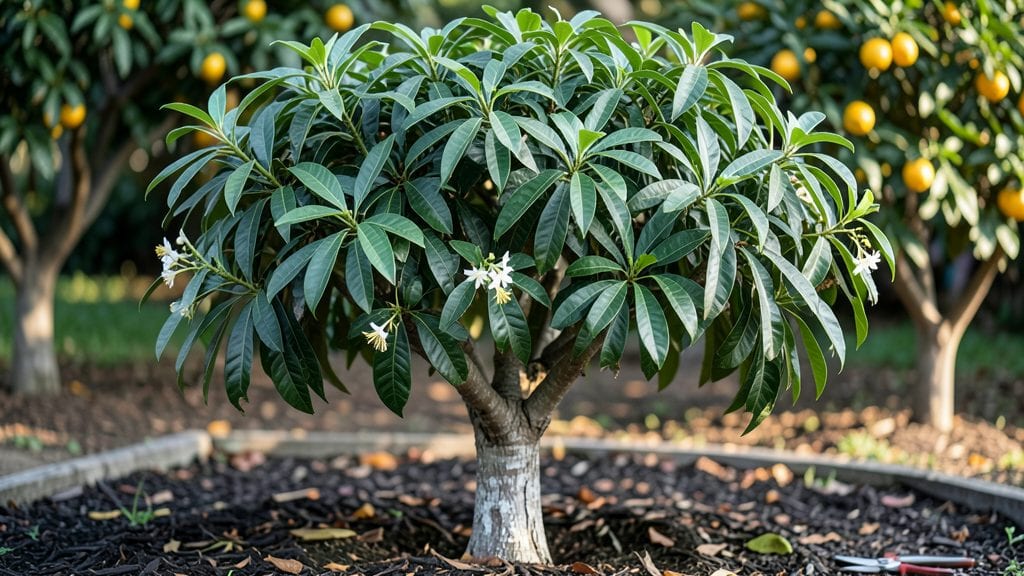
Growing an Ataulfo mango tree in the Pacific Northwest feels like defying the odds—until you see those sweet, golden fruits hanging in your yard. 🌱 I’ve watched this cold-hardy variety thrive where other mangoes would freeze, and the secret lies in pruning for resilience.
The key isn’t just cutting back; it’s shaping the tree to survive damp winters while still packing on flavor.
This isn’t your typical tropical mango. Ataulfo handles 20°F dips with the right care, but it needs well-draining soil, full sun, and strategic pruning to avoid winter damage.
Start with a young tree in a protected microclimate, and you’ll see the first ripe fruit in 3-4 years—earlier than most varieties. The payoff? Mangoes so sweet they taste like summer, even in rainy climates.
Pruning isn’t just about shaping—it’s about airflow and sunlight penetration to prevent fungal issues. Thin out crowded branches in late winter, and you’ll encourage stronger growth. By summer, you’ll spot those telltale pink blossoms, a sure sign of fruit to come.
The tree’s natural resilience means less fuss, but the details matter—like knowing when to hold off on heavy pruning if frost is forecast.
Whether you’re a first-time grower or a seasoned gardener, this tree rewards patience. With the right approach, you’ll harvest pounds of fruit—and maybe even share cuttings with neighbors jealous of your tropical success. Let’s get those pruners ready.
📚 In This Guide
- What you need
- Instructions
- Tips and common mistakes
- Wrapping up and next steps
What you need
- ● Pruning shears: Bypass pruners (sharp, 6-8" blades) for clean cuts on small branches. Quantity: 1 pair.
- ● Loppers: Bypass or anvil type (10-14" blades) for thicker branches (up to 2" diameter). Quantity: 1 pair.
- ● Pruning saw: Curved-tooth hand saw for branches over 2" in diameter. Quantity: 1.
- ● Rubbing alcohol (70% isopropyl): For sterilizing tools between cuts to prevent disease. Quantity: Small bottle.
- ○ Pruning sealant (optional but recommended): Tree wound dressing (e.g., Tanglefoot Tree Seal) for large cuts to reduce sap loss and infection risk. Quantity: Small jar.
- ● Garden gloves: Cut-resistant (e.g., nitrile-coated) to protect hands from thorns and sap. Quantity: 1 pair.
- ● Ladder or step stool: Sturdy, non-slip (6-8 ft tall) for reaching higher branches. Quantity: 1.
- ● Tarp or drop cloth: Heavy-duty (10x10 ft) to collect debris and protect garden beds. Quantity: 1.
- ● Sharpie or marker: For labeling branches if grafting or layering is part of your plan. Quantity: 1.
- ● Extension pole pruners: For high branches without a ladder. Quantity: 1.
- ● Safety glasses: To shield eyes from debris. Quantity: 1 pair.
- ● Disinfectant wipes: For cleaning tools mid-pruning. Quantity: Pack of 50.
- ● String or twine: For tying branches during training or shaping. Quantity: Small roll.
- ● Compost bin or bucket: For collecting pruned branches for mulch or compost. Quantity: 1.
- ● Timing: Prune during dormant season (late winter/early spring) or right after harvest to minimize stress. Avoid pruning when temps drop below 40°F (4°C)—Ataulfo mangoes are cold-sensitive!
- ● Weather: Choose a dry, overcast day to prevent sap bleeding and reduce disease risk.
- ● Safety first: Wear long sleeves and pants to avoid thorns and sap irritation.
- ● Tool prep: Sharpen blades before pruning for clean cuts (dull tools crush branches, inviting disease).
Step-by-step guide to pruning your Ataulfo mango tree for Pacific Northwest resilience
Cold-hardy Ataulfo mango trees thrive with strategic pruning—here’s how to shape yours for PNW winters.
✂️ Step 1: Time Your Pruning for Optimal Healing
Prune your Ataulfo mango tree late winter to early spring, just as new growth begins but before buds swell—typically February to March in the Pacific Northwest. This timing ensures the tree isn’t stressed by winter dormancy or summer heat. I always wait until after the last frost date in my zone (Zone 8b) to avoid exposing tender new growth to unexpected cold snaps.
Use sharp, sterilized pruning shears to make clean cuts at a 45-degree angle just above a leaf node or outward-facing bud. This prevents water from pooling and reduces disease risk. If you’re pruning for cold protection, focus on removing weak, crossing, or diseased branches first—these are the most vulnerable to winter damage.
🌿 Step 2: Shape for Airflow and Sun Exposure
Open the tree’s canopy by thinning out 20-30% of the branches, prioritizing those that cross, rub, or grow inward. This improves airflow, which is critical in the Pacific Northwest’s damp winters. Look for branches that grow directly upward—these are ideal candidates for removal, as they block light and air from reaching the center of the tree.
Step back frequently to visualize the tree’s structure. Aim for an open vase shape that allows sunlight to penetrate to the inner branches. Ataulfo mangoes produce fruit on older wood, so avoid heavy pruning of mature branches—focus instead on lightening the load by removing excess growth. If a branch is thicker than your wrist, it’s best left intact unless it’s diseased or dead.
☀️ Step 3: Protect Against Cold Damage
In the Pacific Northwest, wrapping the trunk with burlap or tree wrap before winter helps insulate against temperature swings. For younger trees, I also paint the trunk with white latex paint to reflect sunlight and prevent sunburn during cold days. If your tree is in a microclimate with frost pockets, consider mulching the root zone with 3-4 inches of wood chips to protect roots from freezing.
For branches that are susceptible to cold damage, apply a light layer of anti-desiccant spray (like Wilt-Pruf) in late fall. This creates a protective film that reduces moisture loss during winter. Avoid pruning in fall, as new growth won’t harden off before cold snaps hit. Instead, save structural adjustments for spring and focus on removing only dead or broken branches in late winter.
⏰ Step 4: Post-Pruning Care for Strong Recovery
After pruning, water deeply to help the tree recover, especially if the soil was dry. Ataulfo mangoes are drought-tolerant once established, but pruning stresses the tree, so keep the soil consistently moist for 4-6 weeks afterward. Avoid fertilizing immediately—wait until new growth appears (usually 4-6 weeks post-pruning) before applying a balanced fertilizer (like 10-10-10) to support recovery.
Monitor the tree for signs of stress, like yellowing leaves or stunted growth. If you see sap oozing from pruning cuts, it’s normal—just ensure the cuts are clean and sealed naturally. In the Pacific Northwest, watch for fungal issues like anthracnose, which thrives in wet conditions. If you notice dark spots or wilting, treat with a copper fungicide as a preventive measure.
Tips & tricks for pruning your Ataulfo mango tree
Here’s what I’ve learned after years of shaping Ataulfo mango trees in the Pacific Northwest—these tricks will help you avoid common mistakes and maximize your tree’s resilience.
Timing is Everything: The February-to-March window is critical because it’s when your tree naturally begins breaking dormancy. I check my local frost date calendar and wait until at least 10 days after the last expected frost—this gives new growth time to harden off before any late cold snaps. In Zone 8b, I’ve found that pruning too early can leave tender buds vulnerable, while waiting too late risks stressing the tree before summer growth begins.
Visual Cues for Clean Cuts: When making those 45-degree angle cuts in Step 1, look for the leaf node—it’s the small bump where leaves attach. Cut just above this node, and you’ll encourage new growth in the right direction. Pro tip: Use a sharp pruning saw for thicker branches (over 1 inch) to avoid tearing the bark, which creates entry points for disease. I always sterilize my tools with rubbing alcohol between cuts to prevent spreading pathogens.
Structural Integrity Check: In Step 2, when you’re thinning branches, pay special attention to the branch collar—that swollen area where the branch meets the trunk. Never cut into it, as this can damage the tree’s ability to heal. Instead, make your cut just outside the branch collar but still at the 45-degree angle. This technique prevents unsightly stubs and promotes faster healing. I’ve seen many trees develop cankers from improper cuts, so this step is non-negotiable.
Cold Protection Hacks: For the anti-desiccant spray in Step 3, I’ve had great success with a mix of Wilt-Pruf and beeswax—the wax adds an extra layer of protection against windburn. Apply it on a dry, calm day in late fall, and reapply if heavy rains wash it away. For trees in frost pockets, I’ve also buried black plastic pots near the roots filled with water—these act as heat sinks, slowly releasing warmth during cold nights. It’s an extra step, but it’s saved my younger trees from winter damage.
Pro Tips for Ataulfo Mango Tree
- Here’s what I’ve learned after years of shaping Ataulfo mango trees in the Pacific Northwest—these tricks will help you avoid common mistakes and maximize your tree’s resilience.
- Timing is Everything: The February-to-March window is critical because it’s when your tree naturally begins breaking dormancy.
- Visual Cues for Clean Cuts: When making those 45-degree angle cuts in Step 1, look for the leaf node—it’s the small bump where leaves attach.
Frequently asked questions
Got questions about growing and pruning your Ataulfo mango tree in the Pacific Northwest? You’re not alone! Here are some of the most common concerns—and their solutions—to help you keep your tree thriving, even in cooler climates.
Can Ataulfo mango trees survive winter in the Pacific Northwest?
Ataulfo mangoes are tropical but can handle light frost (down to 25°F/-4°C) if properly protected. In PNW zones 8-10, wrap the trunk in burlap, use frost cloth, or move potted trees indoors. For extreme cold (<20°F/-7°C), consider container-growing with winter shelter. Pro tip: Mulch heavily and prune lightly in fall to reduce stress.
When is the best time to prune an Ataulfo mango tree?
Prune late winter to early spring (February–March) before new growth starts. Avoid heavy pruning in summer, as it stresses the tree. Focus on removing dead, crossing, or overcrowded branches to improve airflow. For PNW growers, light pruning in late fall (after leaf drop) can also help shape the tree and prep for winter.
How do I encourage more fruit on my Ataulfo mango tree?
Fruit production relies on sunlight, water, and nutrients. Ensure your tree gets 6+ hours of direct sun daily (use grow lights if indoors). Fertilize with a balanced citrus/mango blend in spring and summer, and thin out excess fruit (leave 6–8 inches between mangoes) to avoid overburdening branches. Bonus: Hand-pollinate flowers with a soft brush for better yield!
Why are my Ataulfo mango leaves turning yellow?
Yellow leaves usually signal overwatering, nutrient deficiency, or root stress. Check the soil—it should be slightly moist but not soggy. Yellowing edges often mean low nitrogen; yellowing between veins could indicate iron deficiency (common in alkaline PNW soil). Adjust watering, amend soil with compost, or use a chelated iron supplement.
Are there cold-hardier alternatives to Ataulfo mango trees?
If Ataulfo’s frost sensitivity is too much, try these hardier varieties:
- ‘Ice Cream’ mango (tolerates 28°F/-2°C)
- ‘Julie’ mango (hybrid, handles 25°F/-4°C)
- ‘Cogshall’ mango (Florida native, 20°F/-7°C tolerance)
How do I tell if my Ataulfo mango tree is healthy?
A healthy tree has:
- Dark green, glossy leaves (no spots or wilting)
- Smooth, crack-free bark (no oozing sap)
- New growth after pruning (within 4–6 weeks)
- Firm, fragrant flowers (no mold or pests)
Wrapping up and next steps
Growing an Ataulfo mango tree in the Pacific Northwest is absolutely doable with the right cold-hardy pruning techniques! Remember, the key lies in timing, technique, and protection—whether you’re shaping young branches, managing frost damage, or preparing for winter.
With patience and care, your tree can thrive even in cooler climates, rewarding you with sweet, golden Ataulfo mangoes year after year.
Ready to take the next step? Start small—prune just one branch this season, observe how it responds, and gradually build your confidence. Before you know it, you’ll be a PNW mango-growing pro! 🌱🍈