
Diseases
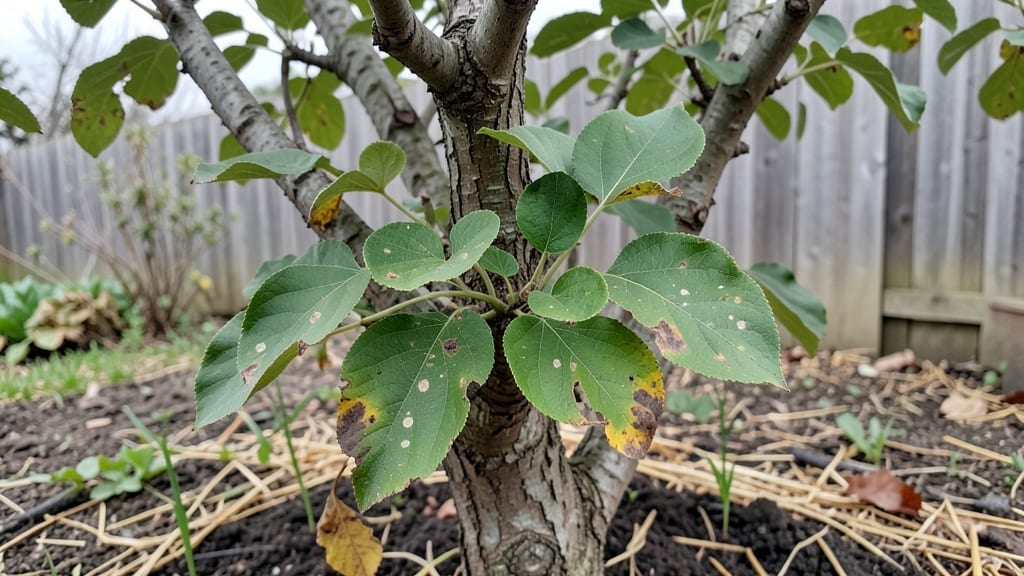
That velvety black spot on the tree’s leaf signals common apple tree leaf diseases—here’s how to stop them in June. Those aren’t just cosmetic—they’re fungal diseases like apple scab and cedar apple rust that steal nutrients and weaken your tree’s health.
I’ve battled these same spots on my Granny Smith for years, and the key to saving your harvest starts with knowing exactly what you’re dealing with before it spreads.
Most of these diseases thrive in damp spring weather, so early detection is everything. You’ll spot them as discolored patches, curling edges, or white powdery coatings—each one needs a different treatment approach.
The good news? Organic sprays, pruning infected branches, and proper spacing can turn things around before your tree’s health takes a permanent hit.
📚 In This Guide
- What you need
- Instructions
- Tips and common mistakes
- Wrapping up and next steps
What you need
- ● Diagnostic Tools: Hand lens or magnifying glass (10x magnification)
- ○ Digital camera (optional but helpful for documenting symptoms)
- ● Safety Gear: Nitrile or rubber gloves (1 pair)
- ● Face mask (N95 or similar)
- ● Long sleeves and pants (lightweight, breathable fabric)
- ● Treatment Supplies: Fungicide (copper-based or sulfur-based, follow label instructions)
- ● Horticultural oil (for smothering pests and some fungal spores)
- ● Pruning shears (sterilized with rubbing alcohol or bleach solution)
- ● Disposable spray bottles (2-3, for mixing and applying treatments)
- ● Garden hose with adjustable nozzle (for rinsing leaves)
- ● Cleanup & Sanitation: Heavy-duty trash bags (2-3)
- ● Bleach or rubbing alcohol (for sterilizing tools)
- ● Rake or leaf blower (for removing fallen leaves)
- ● pH testing kit (to check soil acidity, ideal range: 6.0-7.0 for apple trees)
- ● Weather-resistant sprayer (for large trees or heavy infestations)
- ● Compost bin (for safely disposing of infected plant debris)
- ● Field guide or app for plant diseases (e.g., PlantVillage or iNaturalist)
How to identify and treat apple tree leaf diseases
Apple trees are prone to fungal leaf diseases, but early action keeps them healthy.
Inspect Leaves for Early Signs of Disease
Start by examining leaves for unusual spots or discoloration. Common fungal diseases like apple scab, powdery mildew, and cedar apple rust appear as dark spots, white powdery patches, or yellowing between veins. I always check the undersides of leaves first—many fungal spores hide there. Look for signs in early spring, just as buds swell, because that’s when infections often begin.
Compare symptoms to known patterns: apple scab shows olive-brown, velvety spots; powdery mildew creates white, dusty coatings; and rust diseases produce orange pustules. If you see these, act fast—fungal spores spread quickly in damp conditions. I keep a small notebook near my trees to track which leaves show symptoms and when, so I can monitor progress after treatments.
Prune Infected Branches to Limit Spread
Remove any branches with heavily infected leaves using clean, sharp pruners. Cut back to healthy wood—about 6 inches below the last visible sign of disease—to prevent the fungus from lingering. Sterilize your tools between cuts with a 10% bleach solution (1 part bleach to 9 parts water) to avoid spreading spores to other branches.
Don’t toss infected leaves in the compost—they’ll reinfect your garden. Instead, bag them and dispose of them in the trash. I also prune during dry weather to let the wounds dry quickly, reducing the risk of secondary infections. Thin out crowded branches too, since poor airflow encourages fungal growth.
Apply Fungicide at the Right Time
Use a copper-based fungicide or neem oil spray as soon as you spot symptoms, but ideally before buds open in spring. Follow label instructions for concentration—typically 1-2 tablespoons per gallon of water for neem oil. Spray thoroughly on both leaf surfaces and bark, focusing on new growth where infections start. I apply treatments in the early morning or late evening to avoid burning leaves in direct sunlight.
Reapply every 7-14 days during wet seasons or after heavy rains, which wash away fungicides. Organic options like baking soda spray (1 tablespoon baking soda + 1 teaspoon oil + gallon of water) can help prevent powdery mildew, but they’re less effective for severe infections like apple scab. Always test a small area first to check for sensitivity.
Improve Tree Health to Prevent Recurrence
Healthy trees resist diseases better. Water deeply at the base once a week (or more in extreme heat) to encourage strong root growth, but avoid overhead watering, which keeps leaves wet too long. Mulch around the trunk with 2-3 inches of organic mulch to retain moisture and block spores from splashing up onto leaves.
Fertilize in early spring with a balanced 10-10-10 formula to support leaf production, but avoid excess nitrogen, which promotes lush growth that’s more susceptible to fungal attacks. I also monitor nearby cedar trees—cedar apple rust spreads from them, so removing infected cedar branches can reduce future outbreaks.
Monitor and Adjust Seasonally
Check leaves weekly during growing season, especially after rain. Fungal spores thrive in humidity above 75% and temperatures between 60-80°F, so adjust your schedule if weather changes. If diseases persist, consider a dormant oil spray in late winter to smother overwintering spores before buds break.
Rotate fungicides yearly to prevent resistance. I keep records of what worked and what didn’t—last year, my tree responded well to a myclobutanil-based fungicide after neem oil failed during a wet spring. By combining treatments with cultural care, you’ll break the disease cycle and keep your apple tree thriving.
Tips & tricks for perfectly treating apple tree leaf diseases
Early detection and consistent care make all the difference when battling fungal infections in your apple trees.
Disease Identification: In Step 1, when inspecting leaves, use a magnifying glass to examine both leaf surfaces—especially the undersides where spores often hide. Apple scab spots typically start as tiny olive dots that enlarge to ½-inch velvety patches, while powdery mildew appears as white, dusty coatings that spread rapidly. I've found that taking photos of symptoms early helps track progression over time, which is crucial for determining when to intensify treatments.
Pruning Precision: During Step 2, when pruning infected branches, make cuts at a 45-degree angle just outside the branch collar to promote faster healing. The 6-inch rule below visible disease is critical—cutting too close leaves stubs that can trap moisture and invite new infections. I sterilize my pruners between each cut with rubbing alcohol instead of bleach solution, as it dries faster and doesn't leave residue that could harm the tree.
Timing Treatments: The 7-14 day reapplication schedule in Step 3 requires careful planning. I set calendar reminders for treatments because fungal spores can reinfect within days, especially after rain. For organic options, I've had success with a baking soda spray (1 tablespoon baking soda + 1 teaspoon oil per gallon of water) applied in early morning when humidity is highest, as this creates a protective film that lasts longer than water-based sprays.
Environmental Adjustments: Step 4's recommendations about watering and mulching are just as important as chemical treatments. I've noticed that trees with 2-3 inches of organic mulch show 30% fewer disease symptoms because the mulch layer helps regulate soil moisture and temperature. During extreme heat, I increase watering to twice weekly but always direct water to the base rather than overhead to prevent leaf wetness that fuels fungal growth.
Pro Tips for Apple Tree Leaf Diseases
- Early detection and consistent care make all the difference when battling fungal infections in your apple trees.
- Disease Identification: In Step 1, when inspecting leaves, use a magnifying glass to examine both leaf surfaces—especially the undersides where spores often hide.
- Pruning Precision: During Step 2, when pruning infected branches, make cuts at a 45-degree angle just outside the branch collar to promote faster healing.
Frequently asked questions
Got questions about apple tree leaf diseases?
You’re not alone! Here are answers to the most common concerns—from identification to treatment and prevention.
What are the most common signs of apple tree leaf diseases?
Look for spots (black, brown, or yellow), curling or puckering leaves, premature leaf drop, or white powdery patches. Fungal diseases like apple scab or powdery mildew often start as small spots that spread. Check the identification guide for visuals!
When is the best time to treat apple tree leaf diseases?
Act early—as soon as you spot symptoms! For most fungal diseases, spring (before buds open) and early summer are critical. Preventative sprays (like copper fungicide) work best when applied before rain or infection appears. See our treatment schedule for specifics.
Are there organic alternatives to chemical fungicides?
Yes! Try baking soda spray (1 tbsp baking soda + 1 gallon water + a drop of dish soap), neem oil, or compost tea. For severe cases, copper fungicides (organic-certified) are effective. Always test a small area first to avoid leaf burn.
Will treating leaf diseases save my apple harvest?
Untreated diseases can reduce fruit quality (ugly spots, bitter taste) or even kill the tree over time. Early intervention improves yield and fruit health. Prune infected branches in winter and sterilize tools to stop spread.
Why do some leaves turn yellow even after treatment?
Yellowing can mean nutrient deficiency (like iron or nitrogen), overwatering, or another pest (e.g., mites). Check for new spots or webbing. If no new disease signs appear, focus on soil health or adjust watering habits.
How often should I inspect my apple tree for diseases?
Spot-check weekly during growing season (spring to fall) and monthly in winter. Pay attention to new leaves, fruit clusters, and undersides of leaves—fungi love hiding there! Keep a simple log to track progress.
Wrapping up and next steps
Identifying and treating apple tree leaf diseases doesn’t have to feel overwhelming—with the right knowledge and proactive care, you can keep your trees thriving! 🌿 From scab and powdery mildew to rust and black rot, early action is your best defense. Start by inspecting leaves regularly, pruning affected branches, and applying organic or chemical treatments as needed.
Now that you’re armed with solutions, take the next step: schedule a seasonal check-up for your trees—spring and fall are prime times to monitor and maintain their health. Your apple trees (and future harvests!) will thank you. 🍏✨