
Size
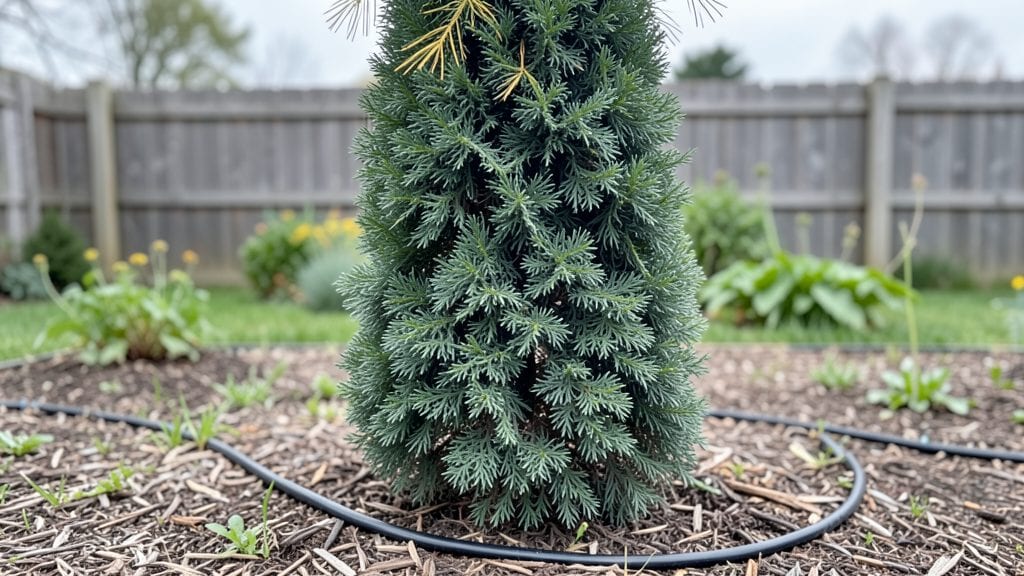
The tall 30 ft trees I planted six years ago now stand as Pacific Northwest sentinels—evergreens framing views, deciduous canopies shifting with seasons, and moss-draped trunks whispering stories. 🌲 way it anchors my garden while letting light dance through its branches still takes my breath away.
The key isn’t just picking a species—it’s understanding how these giants behave over decades, from root spread to leaf litter cleanup.
You’ll need space—at least 20 feet from structures—and patience, since these trees take years to mature. But the payoff? Year-round interest: winter bark texture, spring blossoms, summer shade, and autumn color that rivals any maple.
My favorite PNW picks—Douglas fir, Western red cedar, and Pacific dogwood—handle our wet winters and dry summers with ease, plus they attract birds and wildlife. The right tree turns a backyard into a forest sanctuary without the maintenance of a full woodland.
Imagine waking to sunlight filtering through 30-foot branches, or hosting holiday gatherings under a canopy that feels like a private cathedral. These trees don’t just grow—they create drama, privacy, and a sense of permanence that smaller plants can’t match.
We’ll cover spacing secrets, soil prep that prevents root competition, and pruning techniques that keep them healthy (and your neighbors happy). Ready to plant a legacy?
Whether you’re framing a view, adding privacy, or simply loving the scale, these giants work in urban yards, rural acreages, and everything in between. The trick is matching the tree to your site’s light, soil, and future plans—because once planted, they’re here to stay. Let’s get growing.
📚 In This Guide
- What you need
- Instructions
- Tips and common mistakes
- Wrapping up and next steps
What you need
- ● Tree Saplings: Choose native species like Douglas Fir, Western Red Cedar, or Bigleaf Maple (3–5 years old, 6–8 ft tall). Quantity: 1–3 per desired spacing (account for mature width).
- ● Soil Amendments: Composted manure or leaf mold (2–3 cubic yards per tree).
- ● Slow-release fertilizer (10-10-10, 5 lbs per tree).
- ● Mulch: Wood chips or bark (3–4 inches deep, 5–6 ft radius around base).
- ● Support Stakes: 2–3 galvanized metal stakes (6 ft tall) + tree ties (for young saplings).
- ● Drip Irrigation System: Soaker hoses or micro-sprayers (10–15 ft per tree).
- ● Digging Tools: Shovel, mattock, and post-hole digger.
- ● Watering Supplies: Garden hose (½-inch diameter) + adjustable nozzle.
- ● Safety Gear: Work gloves, knee pads, and pruning shears (bypass or felco).
- ● Measuring Tools: Tape measure (25 ft) and stakes with string for layout.
- ● Site Preparation: Full-sun location (6+ hours/day) or partial shade (for moisture retention).
- ● Well-draining soil (amend clay with sand if needed).
- ● Check local tree ordinances—some areas restrict species or sizes!
- ● Seasonal Timing: Plant in early spring or fall (avoid frost or drought).
- ○ Optional Upgrades: Erosion control fabric (for sloped sites).
- ● Soil moisture sensors (for tech-savvy gardeners).
- ● Decorative rocks or edging for a polished look.
Step-by-step guide for planting and establishing 30-Foot-tall trees
Here's how to plant towering Pacific Northwest trees for decades of drama and shade.
🌱 Step 1: Choose the Right Species and Planting Location
Select native species like Douglas fir, Western red cedar, or bigleaf maple—these thrive in Pacific Northwest climates with minimal fuss. Avoid planting near power lines or structures; maintain a 20-foot clearance from buildings and 30-foot clearance from power lines to prevent future issues.
Test your soil's drainage by digging a 12-inch deep hole. If water pools after 24 hours, amend with 3-4 inches of compost to improve aeration. The ideal spot receives 6+ hours of sunlight daily but tolerates partial shade for species like vine maple or Oregon ash.
🪴 Step 2: Dig the Proper Hole and Prepare the Root Ball
Dig a hole twice as wide as the root ball but no deeper—this prevents root suffocation. For a 5-gallon container-grown tree, the hole should be 24 inches wide and 18 inches deep. Remove any circling roots gently with pruners; these can strangle the tree as it matures.
Soak the root ball in water for 15-20 minutes before planting. This hydrates the roots and reduces transplant shock. If the soil is dry, add a 5-gallon bucket of water to the hole before placing the tree. Position the tree so the top of the root ball sits 1-2 inches above ground level—settling will occur over time.
☀️ Step 3: Backfill and Stake for Stability
Fill the hole with native soil, tamping lightly every 4-6 inches to eliminate air pockets. Avoid compacting the soil too firmly—you want roots to spread easily. Create a 4-inch high berm around the outer edge of the hole to direct water toward the roots during irrigation.
Install two 1-inch diameter stakes on opposite sides of the tree, angled away from the trunk. Use soft tree ties (not wire) to secure the trunk at a 45-degree angle to the stake. This prevents girdling as the tree grows. Water deeply after staking to settle the soil and remove any air gaps.
💧 Step 4: Water and Mulch for Long-Term Health
Water the tree once weekly for the first year, delivering 10-15 gallons per watering to ensure moisture reaches the root zone. Check soil moisture by inserting a 12-inch screwdriver—if it resists, water again. Overwatering is just as harmful as underwatering; let the top 2-3 inches of soil dry between waterings.
Apply 3-4 inches of mulch (wood chips or bark) in a 3-foot diameter circle around the base, keeping it 6 inches away from the trunk. This conserves moisture, regulates soil temperature, and suppresses weeds. Replenish mulch annually to maintain coverage. Avoid synthetic mulches—they can suffocate roots and disrupt soil ecosystems.
✂️ Step 5: Prune and Monitor for First-Growth Success
Remove any broken, diseased, or crossing branches with clean, sharp pruners. Focus on shaping the tree’s natural form—avoid heavy pruning, which stresses young trees. If you must prune, cut just outside the branch collar to promote faster healing.
Monitor for pests like aphids or spider mites, common in new plantings. Spray with neem oil or insecticidal soap if you spot infestations. Check the trunk for signs of girdling from ties or mulch—adjust as needed. By year three, your tree should show 3-4 feet of new growth annually, signaling healthy establishment.
Tips & tricks for planting towering Pacific Northwest trees
Between us, planting a tree that will grow to dominate your landscape takes more than just digging a hole. Here's what nobody tells you about making those first critical years count.
Species Matters More Than You Think: While Douglas fir and cedar are classic choices, bigleaf maple offers faster establishment in wetter climates. For urban settings, consider vine maple—it handles partial shade better and grows more slowly, making it ideal for smaller yards. I planted a vine maple last spring and it's already showing 2 feet of new growth despite our rainy winters. The key is matching species to your microclimate rather than just picking what's pretty at the nursery.
Root Ball Prep is Non-Negotiable: That 15-20 minute soak before planting isn't just about hydration—it's about breaking the root barrier that forms in containers. I learned this the hard way after losing two young cedars to transplant shock. Pro tip: If your tree comes in a plastic pot, score the sides with a pruning knife to encourage roots to grow outward rather than circling. This simple step can double your success rate in the first growing season.
Staking Strategy That Won't Strangle Your Tree: Most people overlook how the stakes are positioned. The 45-degree angle is crucial—it prevents the trunk from growing at an unnatural angle while still providing support. I've seen too many trees with permanent leans because people used vertical stakes. Also, check those ties every 6 months—they should loosen as the tree grows. Between us, I've had to remove ties that cut into trunks after just two years.
Watering Wisdom for First-Year Survival: Those 10-15 gallons per week might seem like a lot, but young trees need deep watering to encourage deep root growth. I use a rain gauge to track exactly how much we're getting from natural precipitation and supplement accordingly. The 2-3 inch dry topsoil rule is your best friend—stick that screwdriver in and you'll never overwater again. In our climate, late summer is actually the most critical watering period when roots are establishing before winter dormancy.
Pro Tips for 30 Ft Tall Trees
- Between us, planting a tree that will grow to dominate your landscape takes more than just digging a hole.
- Species Matters More Than You Think: While Douglas fir and cedar are classic choices, bigleaf maple offers faster establishment in wetter climates.
- Root Ball Prep is Non-Negotiable: That 15-20 minute soak before planting isn't just about hydration—it's about breaking the root barrier that forms in containers.
Frequently asked questions
Got questions about cultivating or appreciating towering 30 ft tall trees in the Pacific Northwest? Here are some answers to common curiosities that’ll help you navigate the journey with confidence.
What are the fastest-growing 30 ft tall trees for the Pacific Northwest?
For rapid growth (12+ inches per year), consider Douglas fir, Western red cedar, or Bigleaf maple. These thrive in PNW’s climate and can reach 30 ft in 10–15 years with proper care. Eucalyptus is another option but needs well-drained soil.
How long does it take for a tree to grow 30 ft tall?
Timelines vary by species! Fast growers like Silver maple may hit 30 ft in 15–20 years, while slower varieties like Western hemlock could take 30+ years. Soil quality, sunlight, and watering play huge roles—patience and consistency win!
Can 30 ft tall trees be grown in urban yards with limited space?
but choose dwarf varieties or prune regularly. Japanese maples or ornamental cherries (like Prunus serrulata ‘Kwanzan’) stay manageable while offering drama. Always check local height restrictions—when in doubt, consult a local arborist!
Do 30 ft tall trees need extra care during PNW’s wet winters?
Yes! Overwatering can suffocate roots, so ensure proper drainage. Mulch (3–4 inches) helps insulate roots, and prune dead branches to prevent disease. Winterizing young trees with burlap wraps (if needed) protects them from harsh winds.
What’s the cost to plant and maintain a 30 ft tall tree?
| Item | Estimated Cost |
|---|---|
| Tree (5–10 ft tall) | $50–$300 |
| Planting (labor + materials) | $100–$500 |
| Annual maintenance (pruning, mulch, etc.) | $50–$200 |
Pro tip:
DIY planting saves money, but hire pros for heavy lifting or mature trees!
Wrapping up and next steps
Growing 30-foot-tall trees in the Pacific Northwest isn’t just about adding height—it’s about crafting a living masterpiece that thrives year-round. From the towering Douglas fir to the graceful Western red cedar, these giants bring drama, shade, and wildlife magic to your landscape.
Whether you’re a beginner or a seasoned gardener, the key is patience, proper care, and a little local know-how.
Ready to dive in? Start by sketching your vision—pick your star tree, prep the soil, and take that first step toward a lush, sky-scraping garden. Your future shade canopy (and future neighbors!) will thank you. 🌲✨